
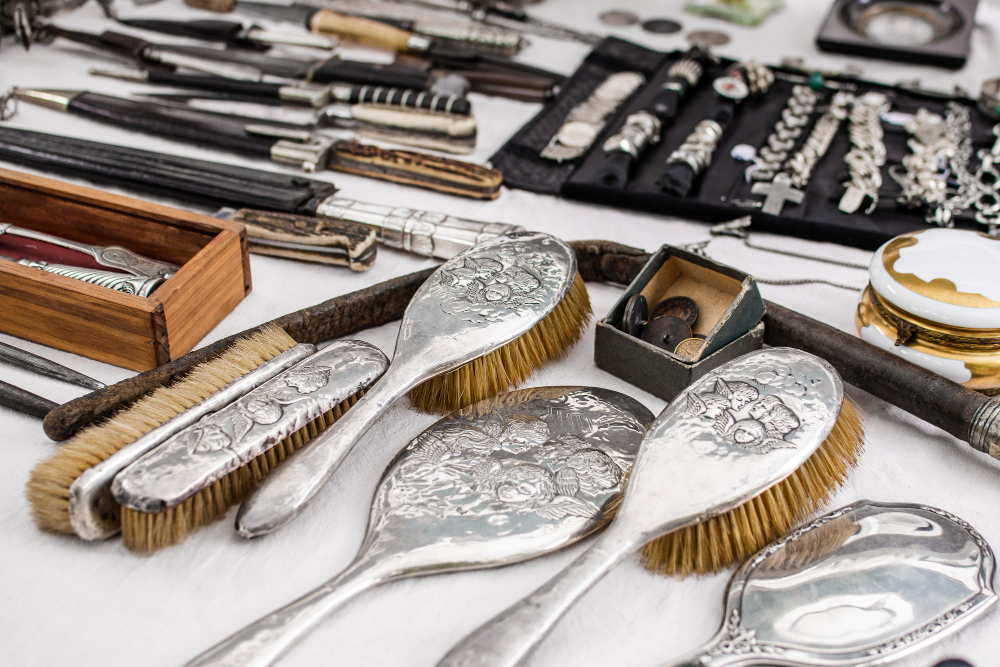
Collecting sterling silver can be an incredibly rewarding hobby, whether you’re drawn to the craftsmanship, the historical charm, or the investment potential. But if you’re new to the world of silver, you probably have a few questions. What exactly is sterling silver? How do you know what’s worth adding to your collection? And what makes it different from other types of silver? This guide is designed to walk you through everything you need to know about getting started with sterling silver collecting in a way that’s accessible and enjoyable.
What Is Sterling Silver?
First, let’s clear up what sterling silver actually is. Sterling silver is an alloy made from 92.5% pure silver and 7.5% other metals (usually copper). Pure silver itself is too soft to be practical in most applications, so mixing it with a small amount of another metal increases its durability while retaining its beautiful silver shine. This 92.5% silver standard has been in place for centuries and is internationally recognised, often marked as “925” on silver pieces.
If you’ve seen terms like “pure silver” or “coin silver,” you might wonder how they differ from sterling. Pure silver, also called “fine silver,” is 99.9% silver, and while it looks beautiful, it’s generally too soft for practical use. Coin silver, used historically in American coins, contains about 90% silver. Sterling is the most common type of silver used in decorative items, jewellery, and flatware due to its balance of beauty and durability.
Recognising Authentic Sterling Silver
A big part of collecting sterling silver is being able to distinguish real sterling from plated or lower-grade silver. The most reliable way to do this is by checking for hallmarks. Hallmarks are small stamped markings that verify the silver content, often showing a “925” mark, which means 92.5% silver content. Here’s what to look out for on your sterling silver hunt:
- 925 or “Sterling” – This is the most direct indicator. “925” or “Sterling” stamps confirm that the piece is made from sterling silver.
- Lion Passant – In British sterling silver, the lion passant mark (a lion in profile with one front paw raised) confirms sterling quality.
- Maker’s Mark – Silver pieces often include a maker’s mark that identifies the silversmith or company. These marks can help date the piece and sometimes increase its value.
- Assay Office Mark – Particularly common on British silver, an assay office mark shows where the item was tested and verified for purity.
- Date Letter – Some pieces have date letters indicating the year they were hallmarked, helping collectors pinpoint the age of a piece.
Keep in mind that silver plating, while it can look very similar, doesn’t carry the same investment value as sterling and is more prone to wear over time. You may see markings like “EPNS” (Electroplated Nickel Silver) or simply “Silver-Plated,” which indicate a thin layer of silver over a base metal.
Why Collect Sterling Silver?
Sterling silver from the likes of Styles Silver offers a range of benefits for collectors. First, there’s its aesthetic appeal – sterling silver develops a unique patina with age, which many collectors find adds to its charm. Then, there’s the investment aspect; silver has historically held its value and even appreciates over time. For many, however, the joy of collecting sterling comes from its history and the stories behind each piece, whether it’s an antique tea set, a Victorian brooch, or an Art Deco candlestick holder. Each item has a history, and learning about it can be just as enjoyable as the collecting itself.
Essential Tools and Tips for New Collectors
Getting started with sterling silver can be a bit daunting, so having the right tools and knowledge will make the process much easier. Here’s what you’ll need:
- Magnifying Glass – A good magnifying glass helps you inspect hallmarks closely, especially on smaller items like jewellery or cutlery.
- Silver Testing Kit – If you’re ever in doubt, a silver testing kit can confirm if an item is sterling by testing a small, hidden area.
- Reference Guide – Hallmark guides and silver reference books help you identify maker’s marks, date stamps, and assay marks.
- Soft Cloth and Silver Polish – Silver can tarnish over time, so a soft cloth and high-quality silver polish are essential for keeping your collection looking its best.
- Storage Solution – Silver should be stored in a low-humidity environment. Many collectors use anti-tarnish cloths or bags to protect their items from air and moisture.
Finding Sterling Silver to Collect
Finding sterling silver can be part of the thrill. There are several places to start looking:
- Antique Shops – Many antique shops have dedicated silver sections where you can find unique, vintage pieces.
- Auctions – Whether online or in-person, auctions are excellent places to find rare silver, often at competitive prices.
- Estate Sales – These sales are often treasure troves for silver, with family heirlooms and vintage items up for grabs.
- Online Marketplaces – Many collectors turn to reputable online platforms to browse and purchase silver pieces from around the world.
- Thrift Stores and Flea Markets – You may find hidden gems in unlikely places, and part of the fun is hunting them down!
Care and Maintenance of Your Collection
Once you have your sterling silver, proper care is crucial to keep it looking beautiful. Silver tarnishes when exposed to air and moisture, but with a few simple practices, you can minimise tarnishing and extend the life of your collection. Regularly dust your silver and use a gentle polish to bring back its shine. Avoid abrasive cleaners, and never put silver in the dishwasher. If possible, store your silver in a cloth that prevents tarnish or a low-humidity area.
If you’re using silver flatware or tableware, it’s best to hand wash it after each use and dry it thoroughly with a soft cloth. Frequent use actually helps prevent tarnish, so don’t be afraid to enjoy your collection.
Discover the Charm of Sterling Silver Collecting
Collecting sterling silver is about more than just accumulating items – it’s a journey through history, a way to invest in timeless beauty, and a craft that rewards knowledge and care. From learning to spot authentic hallmarks to understanding how to maintain your pieces, each step brings you closer to appreciating the art of sterling silver. Whether you’re interested in building an investment collection or simply love the beauty and heritage of these pieces, sterling silver collecting is a fascinating hobby that connects you to craftsmanship and history in a way few hobbies can.


No Comments