
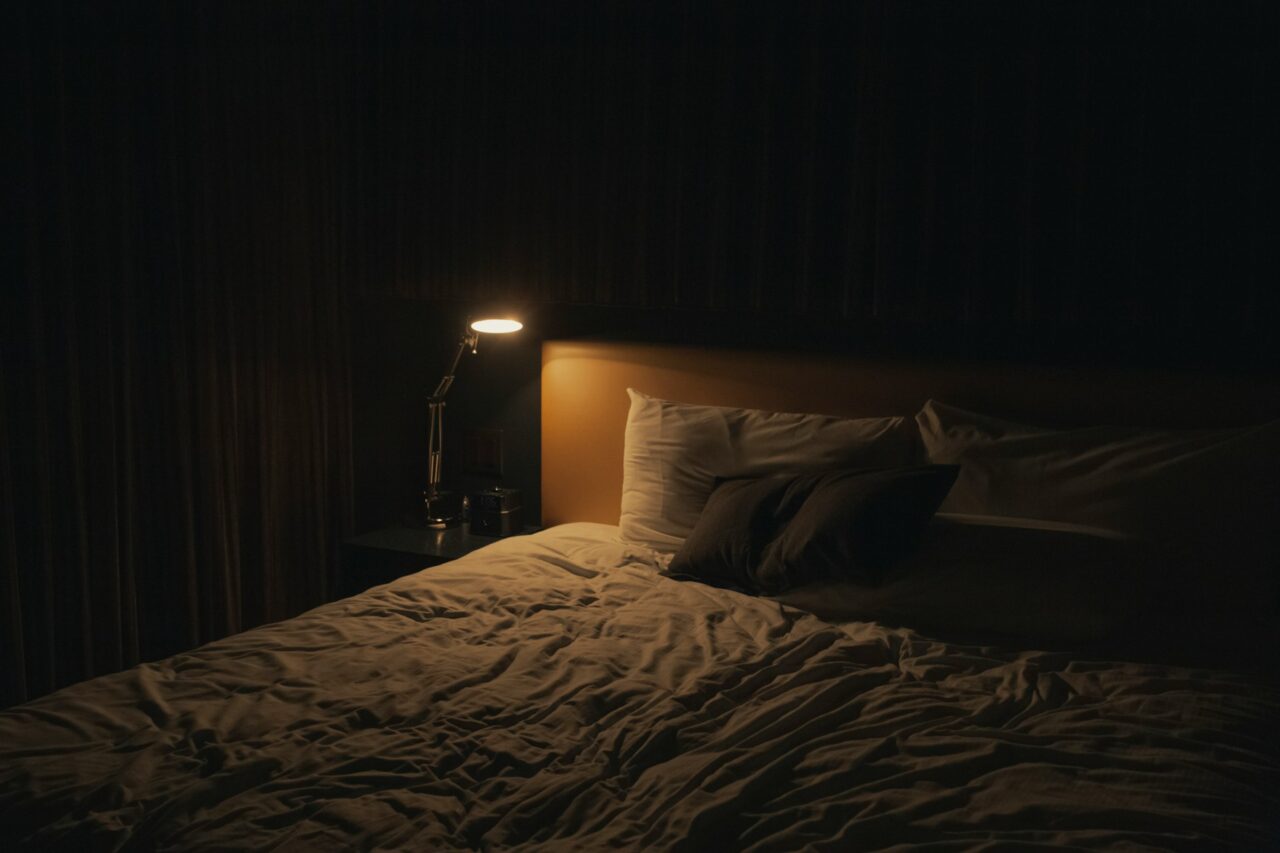
Tossing and turning at night is a frustratingly common experience. If you’re struggling to get a full eight hours, you might blame stress or a busy schedule. But what if the problem is closer to home? Your bedroom itself could be sabotaging your sleep. Designing your bedroom for better sleep isn’t about expensive makeovers; it’s about making small, intentional changes that tell your brain it’s time to switch off.
The Importance of Darkness
Your body’s internal clock relies heavily on light. When it’s dark, your brain produces melatonin, the hormone that makes you feel sleepy. Even small amounts of light from street lamps, digital clocks, or your phone can mess with this process and reduce sleep quality. To create an ideal bedroom environment, start by making it as dark as possible. Try to get rid of all light sources by unplugging electronics or covering their displays. Even a sliver of light from under the door can be enough to bother sensitive sleepers, so blocking that can make a surprising difference.
Temperature Control Tips
Have you ever woken up because you were too hot or too cold? Temperature is crucial for good sleep. The ideal temperature for most people is surprisingly cool, usually between 16-18°C. A room that’s too warm can stop your body’s natural temperature drop that happens as you fall asleep. To keep your room cool, you can use a fan to move air around, choose breathable cotton or linen bedding, and think about sleeping with a window slightly open if it’s safe and quiet enough. In warmer months, a cool shower before bed can also help lower your body temperature.
Choosing the Right Window Treatments
One of the best ways to control both light and temperature is with the right window coverings. Thin curtains might look nice, but they don’t do much to block out the early morning sun or the glare from streetlights. Investing in good-quality blackout blinds or heavy, lined curtains can turn your bedroom into a dark, peaceful sanctuary. Many styles are available that are both practical and look good. For example, if you’re looking for custom-made blinds, there are options from roller to Roman styles that can be fitted perfectly to your windows, making sure they block as much light as possible. This simple change can really impact how deeply and for how long you sleep.
Minimising Noise Pollution
Sudden noises are a major reason sleep gets interrupted, even if you don’t fully wake up. Whether it’s a partner’s snoring, traffic from the street, or a neighbour’s dog, sound can pull you out of deep sleep and leave you feeling groggy in the morning. While you can’t control the outside world, you can make your space quieter. Soft furnishings like rugs, curtains, and upholstered furniture soak up sound waves. For more constant noise, consider using a white noise machine or a fan to create a steady, calming background hum that covers up sudden sounds. Earplugs are also a simple and effective solution for many people.
Declutter Your Bedroom for Deeper Sleep
A cluttered bedroom can lead to a cluttered mind. Your sleeping space should be a calm and relaxing haven, not a storage unit filled with work papers, laundry piles, and other reminders of your daily to-do list. A messy environment can create stress and anxiety, making it harder to unwind. Doing a few simple changes to your bedroom can make a big difference. Spend just a few minutes before bed tidying up, putting away clothes, and clearing surfaces. The goal is to create a visually simple and peaceful atmosphere that helps you feel calm and gets you ready for a night of restorative sleep.
Designing your bedroom for better sleep is an act of self-care. By taking control of the light, temperature, noise, and clutter in your room, you can create the perfect environment to help you fall asleep faster and wake up feeling refreshed.
Image Credit: Unsplash



No Comments