Building a good outfit does not always require buying more clothes. Often, the difference between something that simply looks acceptable and something that feels genuinely considered comes down to the smaller details — the things that give an outfit personality.
Footwear, accessories, texture and proportion can change the character of even the simplest combination. A plain T-shirt and trousers can look completely different depending on the shoes, bag, belt or cap worn with them.
These details also offer an easy way to develop personal style without replacing an entire wardrobe. If you want more ideas in this direction, I’ve written before about adding personality to your wardrobe without going overboard.
Start With the Right Foundation
Before adding anything else, the main pieces need to fit properly. Expensive clothing cannot compensate for trousers that are too long, a shirt that pulls across the chest or a jacket with poorly positioned shoulders.
This does not mean every garment needs to be fitted closely. Relaxed and oversized clothing can work extremely well, but the proportions should appear intentional.
A wider pair of trousers may suit a shorter or boxier jacket. A loose overshirt often looks better with a relatively simple layer underneath. Once these foundations are right, accessories and footwear can complement the outfit rather than distract from it.
Accessories Should Add Something Useful
Accessories work best when they have a purpose. A bag carries everyday essentials, a cap provides shade, a belt adjusts the fit of trousers and a scarf offers warmth when the weather changes.
Their practical role does not prevent them from adding personality. In fact, useful items often become the most recognisable parts of someone’s everyday style.
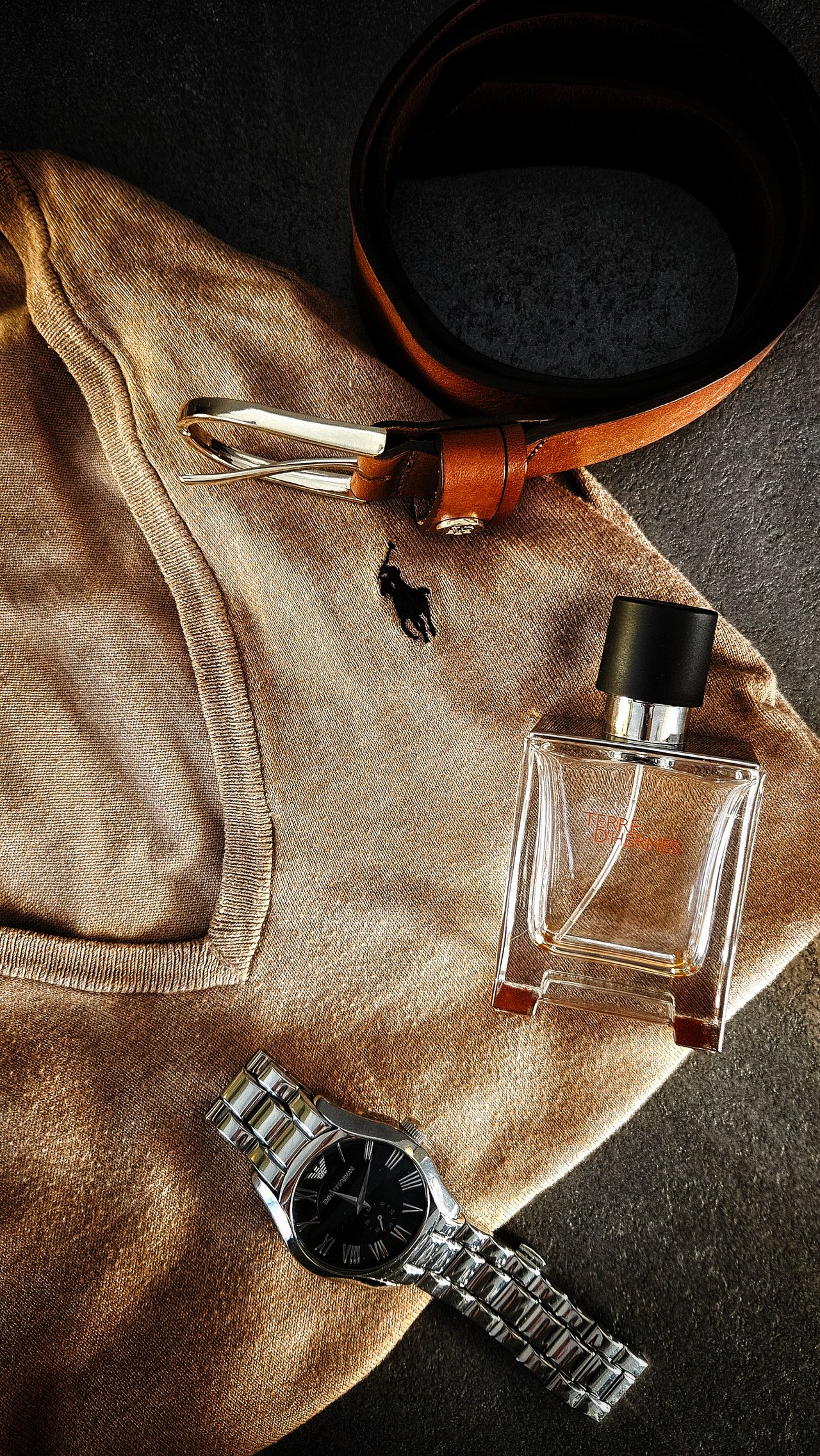
A canvas bag can make an outfit feel relaxed and functional. A leather belt introduces texture and becomes more characterful as it ages. A simple cap can soften a smarter outfit or reinforce the casual nature of workwear and denim.
The key is restraint. One or two well-chosen accessories generally make a stronger impression than several competing items worn at once.
Footwear Sets the Direction for Outfit Personality
Shoes have a major influence over how an outfit is perceived. The same jeans and overshirt can look relaxed with trainers, practical with walking shoes or more substantial with leather boots.
This makes footwear one of the easiest ways to get more use from the clothes you already own.
Clean trainers suit casual everyday clothing and work particularly well during warmer months. Heritage-style boots add weight and structure, especially when worn with denim, workwear trousers or heavier outerwear. Casual leather shoes and low-profile outdoor styles can occupy the space between the two.
Comfort still matters. Shoes that look good but remain uncomfortable will rarely become a useful part of the wardrobe. Choosing quality everyday footwear should involve considering fit, construction and how naturally it works with the clothing you wear most often.
Texture Can Be More Effective Than Colour
Adding personality does not necessarily mean introducing bold colours. Texture can make neutral clothing considerably more interesting while remaining easy to combine.
Consider the difference between a standard cotton shirt and one made from seersucker, brushed flannel or a visible woven fabric. Both may perform the same basic function, but the textured version brings more depth to the outfit.
The same principle applies to accessories. Canvas, suede, leather, corduroy and wool each create a different impression, even when the colours remain understated.
Combining textures is often easier than combining several patterns. Denim worn with suede footwear, a cotton overshirt and a canvas bag creates variation without making the outfit feel overly busy.
Pay Attention to Proportion
Accessories also need to work with the scale of the clothing around them. A very small bag can look out of place alongside loose outerwear and wide trousers, while an oversized backpack may overwhelm a lighter summer outfit.
Footwear follows a similar rule. Chunkier boots generally balance heavier fabrics and wider trousers. Slimmer trainers or shoes tend to sit more naturally beneath narrower or cropped silhouettes.
These are not fixed rules, but they provide a useful starting point. If an outfit feels slightly wrong despite the individual pieces looking good, the proportions may be the issue.
Choose a Few Recognisable Details
Personal style develops through repetition. Wearing a different aesthetic every day can be enjoyable, but a few recurring choices often make a wardrobe feel more coherent.
This could mean regularly wearing textured overshirts, choosing a particular shape of cap or preferring leather boots to trainers. It could also be as simple as carrying the same dependable bag or sticking mainly to earthy colours.
There is no need to manufacture a signature look. The strongest details usually emerge naturally through the things someone finds comfortable and continues to wear.
Over time, those repeated choices make even straightforward outfits feel more personal.
Avoid Adding Details for the Sake of It
Not every outfit needs several accessories. Sometimes the most effective choice is to remove something.
If a patterned shirt already provides plenty of visual interest, a simple pair of shoes and understated bag may be enough. When the clothing is minimal, there is more room for distinctive footwear or a stronger accessory.
It helps to look at the complete outfit rather than judging each item separately. Every piece may be attractive on its own, but that does not mean they all need to be worn together.
Buy for Your Actual Routine
The most useful style choices reflect how you genuinely spend your time.
Someone who walks regularly needs comfortable footwear and a practical weather-resistant bag. Someone travelling between home and an office may benefit from smarter shoes and a structured tote. Those spending time outdoors might use caps, scarves and durable materials more frequently.
Shopping around an imaginary lifestyle usually leads to clothes and accessories being left unused. Choosing for real situations makes it easier to build a wardrobe that feels both personal and practical.
Small Changes Can Have the Biggest Effect on Outfit Personality
Improving personal style does not require following every trend or replacing everything already owned. A better pair of shoes, a useful bag or one accessory with genuine character can bring new life to familiar clothing.
The strongest outfits often appear simple at first. Their impact comes from fit, texture and details that work together quietly.
By paying attention to those smaller choices, everyday clothing can feel more considered without becoming complicated.
Photo by Elena Kravets


No Comments