
Thinking about getting a new shed? Whether you need a place to store your tools, protect your car, or even house livestock, choosing the right shed is more important than you might think. With so many options available, how do you pick the one that suits your needs? Let’s break it down step by step so you can make an informed decision that works for your space, budget, and long-term goals.
1. What Will You Use It For?
The first step is identifying the purpose of your shed. Is it for storing garden equipment? Do you need a dedicated workshop? Maybe you’re after something larger, like a farm shed for tractors or livestock. Understanding the primary use will guide every other decision, from size to materials to design. For example, if it’s just for storage, a basic structure will do. But if you’re planning to use it as a workspace, you’ll want to look for DIY sheds with proper ventilation, insulation, and possibly even electricity.
2. Choosing the Right Size
How much space do you really need? It’s easy to underestimate this, but it’s better to go slightly bigger than you think. A cramped shed becomes frustrating quickly. Think about not just your current needs but future ones too. If you’re storing tools, will you be adding to your collection? If it’s a workshop, will you need room for larger equipment later? Measure your available yard space carefully and keep local council regulations in mind. Some areas have limits on shed size, so always check before you buy.
3. Location, Location, Location
Where you place your shed can make or break its usefulness. Look for a level spot with good drainage to avoid water pooling around the base. Is the shed accessible? If you’re hauling heavy tools or equipment, you don’t want it tucked away in an awkward corner. Think about sunlight, too. For a workshop, natural light is a bonus. But for storage, too much heat or light might not be ideal, especially if you’re storing items like paint or electronics.
4. Materials That Match Your Needs
Sheds come in various materials, each with its pros and cons. Steel is durable and low-maintenance, making it a great option for farm or carport-style sheds. Timber sheds look charming and blend well with gardens but need regular upkeep to prevent rot or termites. Plastic or resin sheds are lightweight and easy to assemble, but they might not hold up as well in extreme weather. Consider your environment—if you live in a coastal area, opt for materials that resist rust and corrosion.
5. Ventilation and Insulation
Have you thought about how your shed will handle weather extremes? Without proper ventilation, a shed can turn into an oven in summer or a damp mess in winter. If you plan to use it as a workspace or store sensitive items, insulation is a must. Good ventilation prevents mould and keeps things fresh, while insulation makes it more comfortable to work in. Adding vents or even small windows can make a world of difference.
6. Doors and Access
The type of door you choose can make your shed more functional. Will a single door be enough, or do you need double doors for larger items? Sliding doors are excellent for tight spaces, while roller doors work well for garages or farm sheds. Think about height and width, too. If you’re storing a ride-on mower or farm equipment, standard door sizes might not cut it. Access matters just as much as what goes inside.
7. Customising for the Perfect Fit
A shed doesn’t have to be boring. Customisation options allow you to tailor it to your exact needs. Add shelving or hooks to maximise storage. Install a skylight for better lighting. Need power? Wiring for electricity is a great addition if you’re using the shed as a workshop. Even small touches, like a fresh coat of paint, can make it blend seamlessly with your home or property.
Don’t Forget Maintenance
Once your shed is set up, keeping it in good condition is key to making it last. Regularly check for signs of wear, like rust, leaks, or damaged panels. If you’ve chosen timber, resealing or painting every few years will protect it from the elements. Clear debris from gutters and make sure the area around the shed stays free of overgrown plants to prevent pests. A little upkeep goes a long way in ensuring your shed stays functional and looking great for years to come.
Putting It All Together
Choosing the right shed might seem overwhelming, but it’s all about asking the right questions. What will it be used for? Where will it go? What materials suit your climate? By thinking through these details, you’ll end up with a shed that’s practical, durable, and perfectly suited to your needs. Take the time to plan it out—you’ll thank yourself later.
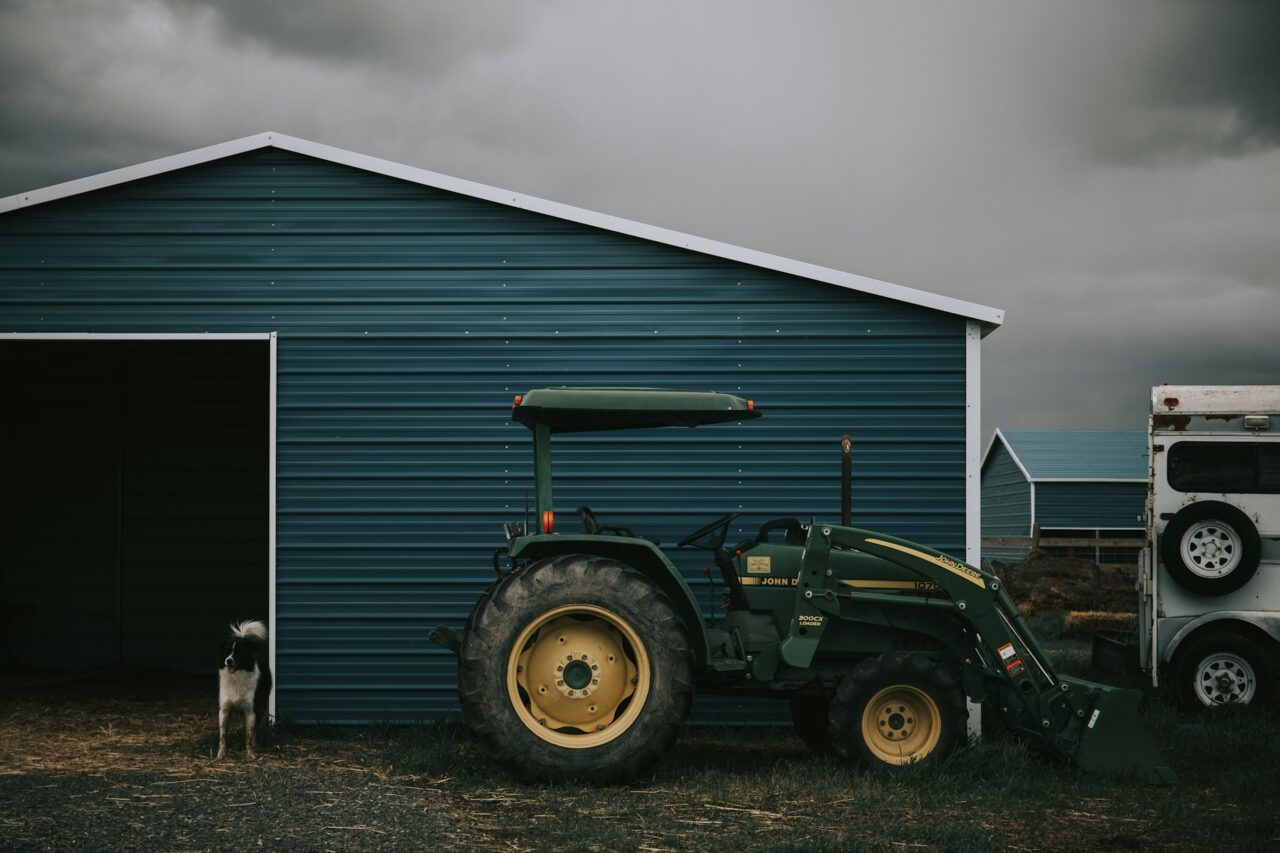
Photo by Jinen Shah on Unsplash



No Comments