
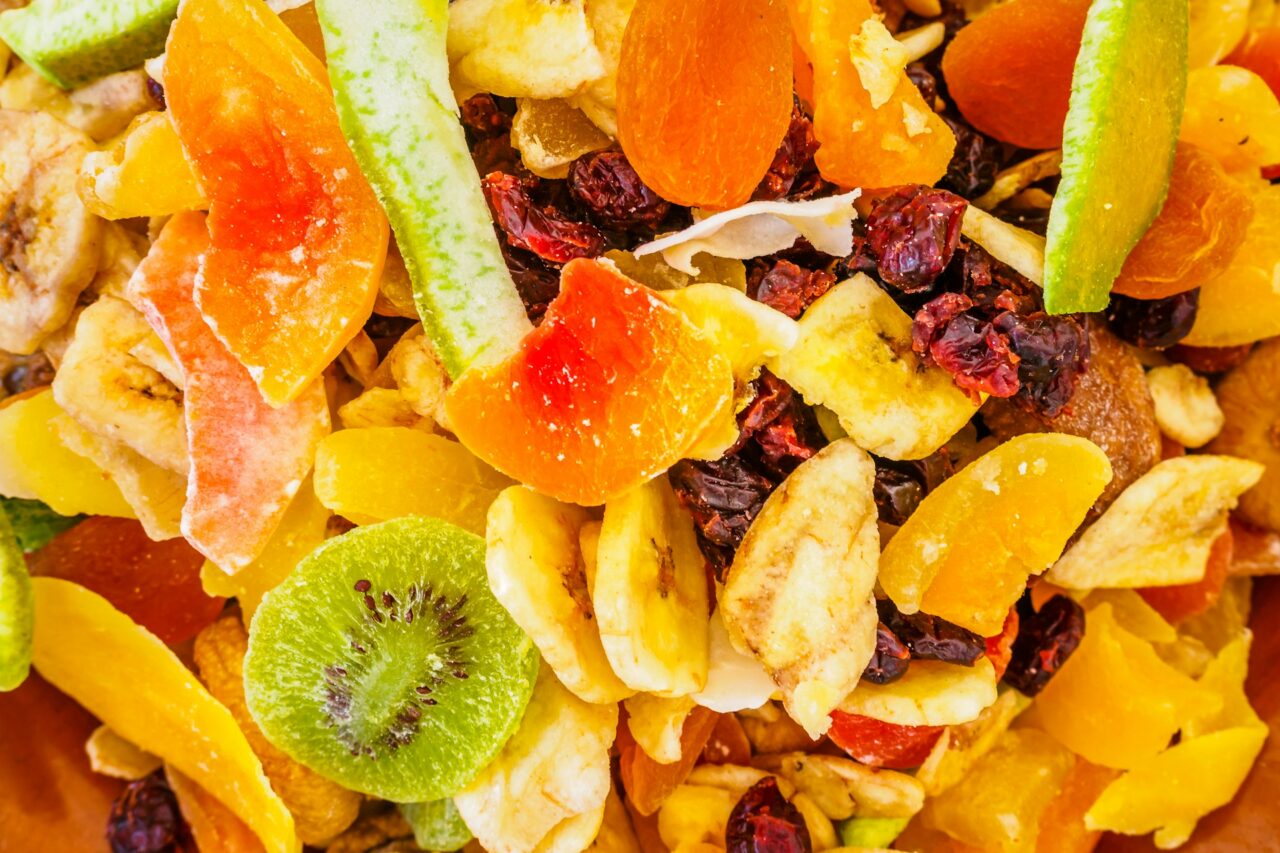
Fresh fruit has a short window between peak ripeness and spoilage. People across history searched for ways to keep flavor and nutrition alive past harvest day. One method rose from scientific labs into home kitchens and outdoor packs: freeze drying. This article explains how that process works, why it matters for nutrition, and how dried fruit fits into daily eating patterns.
A Short History of Freeze Drying
Freeze drying began as a medical solution. Scientists in the early 1900s needed a way to store blood plasma and vaccines without refrigeration. The process removed water while keeping structure intact. Food producers noticed the same method kept taste and shape better than sun drying or ovens.
By the mid‑20th century, freeze‑dried meals traveled with astronauts. Lightweight packs fed crews in space where crumbs and moisture posed risks. Over time, the technique moved from labs to farms, then into snack aisles.
How Freeze Drying Works
Freeze drying removes water through a step called sublimation. Water shifts from ice straight into vapor, skipping the liquid stage. This shift protects cell walls inside fruit.
Here is the basic sequence:
- Fruit freezes fast at low temperatures
- A vacuum pulls moisture out as vapor
- Gentle heat finishes the process
The result feels crisp and airy. Add water later, and the fruit regains shape and softness.
Freeze Drying vs. Other Methods
Different drying styles change food in unique ways. The table shows key contrasts.
| Method | Heat Used | Texture | Nutrient Loss |
|---|---|---|---|
| Sun drying | High | Chewy | Higher |
| Dehydrating | Medium | Leathery | Medium |
| Freeze drying | Low | Crisp | Lower |
Heat breaks down vitamin C and some B vitamins. Low‑heat methods protect more of those nutrients.
Why Mangoes Work So Well
Mangoes contain natural sugars and bright acids. Those traits help flavor stay bold after water removal. The flesh also holds firm fibers, so pieces keep shape instead of crumbling.
Nutrition researchers point out that mangoes carry vitamin A precursors, fiber, and antioxidants like mangiferin. When water leaves, these compounds remain in a concentrated form. A small handful delivers a strong taste and color.
A food scientist at the University of Georgia once described freeze‑dried mango as “a snapshot of ripe fruit, paused at its peak.” That idea explains the appeal to hikers, parents, and chefs.
Everyday Uses Beyond Snacking
Dried fruit fits into more than lunch boxes. Cooks and bakers use it in creative ways.
Common ideas include:
- Crushing pieces into yogurt or oatmeal
- Mixing into trail blends with nuts
- Baking into cookies for bursts of flavor
- Blending into smoothies as a powder
Chefs also sprinkle powdered fruit onto plates for color and aroma. The powder dissolves on the tongue, releasing sweetness fast.
Storage and Shelf Life
Removing water slows microbial growth. That fact gives freeze‑dried fruit a long shelf life when sealed from air and light. Many packs last years without refrigeration.
Once opened, moisture in the room can soften pieces. Airtight jars or resealable bags help keep crunch. A silica packet adds extra protection.
Reading Labels with Care
Shoppers often scan ingredient lists for hidden sugars or oils. Pure freeze‑dried fruit lists one item: the fruit itself. Any added sweetener changes calorie content and taste.
A nutrition educator from Oregon State University notes that portion size still matters. Concentration means calories stack quickly, even from fruit.
A Practical Case Study: School Lunch Programs
Some school districts tested freeze‑dried fruit in lunch trays. Fresh fruit spoiled fast and raised costs. Freeze‑dried options reduced waste and kept bright colors that attracted students.
Teachers reported that children finished fruit servings more often. Crunchy texture felt closer to chips, yet the ingredient stayed simple. Programs also saved storage space without freezers.
This case shows how preservation links food science with public health goals.
Environmental Angles
Freeze drying uses energy for freezing and vacuum pumps. Sun drying uses less power yet needs space and time. Food loss from spoilage carries its own environmental cost.
When long shelf life cuts waste, energy trade‑offs can balance out. Lightweight food also lowers transport fuel use. These factors shape debates around modern preservation.
Choosing Quality Products
Quality starts at harvest. Ripe fruit freeze dries better than underripe batches. Size uniformity helps even drying.
Signs of good quality include:
- Bright color without browning
- Clean break with a snap
- Fresh aroma once crushed
Avoid packs with powder at the bottom, which signals breakage from handling or moisture exposure.
One example of a simple product format can be seen with freeze dried mangos, where the focus stays on fruit alone rather than added flavoring. The emphasis on minimal processing appeals to people who read labels closely.
How Freeze‑Dried Fruit Fits Balanced Eating
Fruit in any form counts toward daily intake. Fresh options supply hydration. Dried forms offer convenience and portability. Pairing dried fruit with protein or fat slows sugar absorption.
Dietitians often suggest mixing dried fruit with nuts or seeds. That pairing steadies energy and supports fullness. Water intake alongside dried fruit also supports digestion.
What Research Says
Studies in the Journal of Food Science report higher vitamin retention in freeze‑dried fruit compared with hot air drying. Another paper in Food Chemistry found antioxidant activity stayed strong after freeze drying.
Researchers caution that processing never improves nutrition beyond the fresh state. Preservation simply holds onto what already exists.
Closing Thoughts and Next Steps
Freeze drying blends science with simple eating habits. It preserves color, taste, and nutrients without heavy additives. Mangoes shine under this method, bringing sweetness and brightness into many dishes.
Readers curious about preservation can explore food science texts or university extension articles. Trying different fruit formats at home builds awareness of taste and texture. Knowledge turns snack choices into informed decisions.
Photo by Alexander Schimmeck on Unsplash


No Comments