
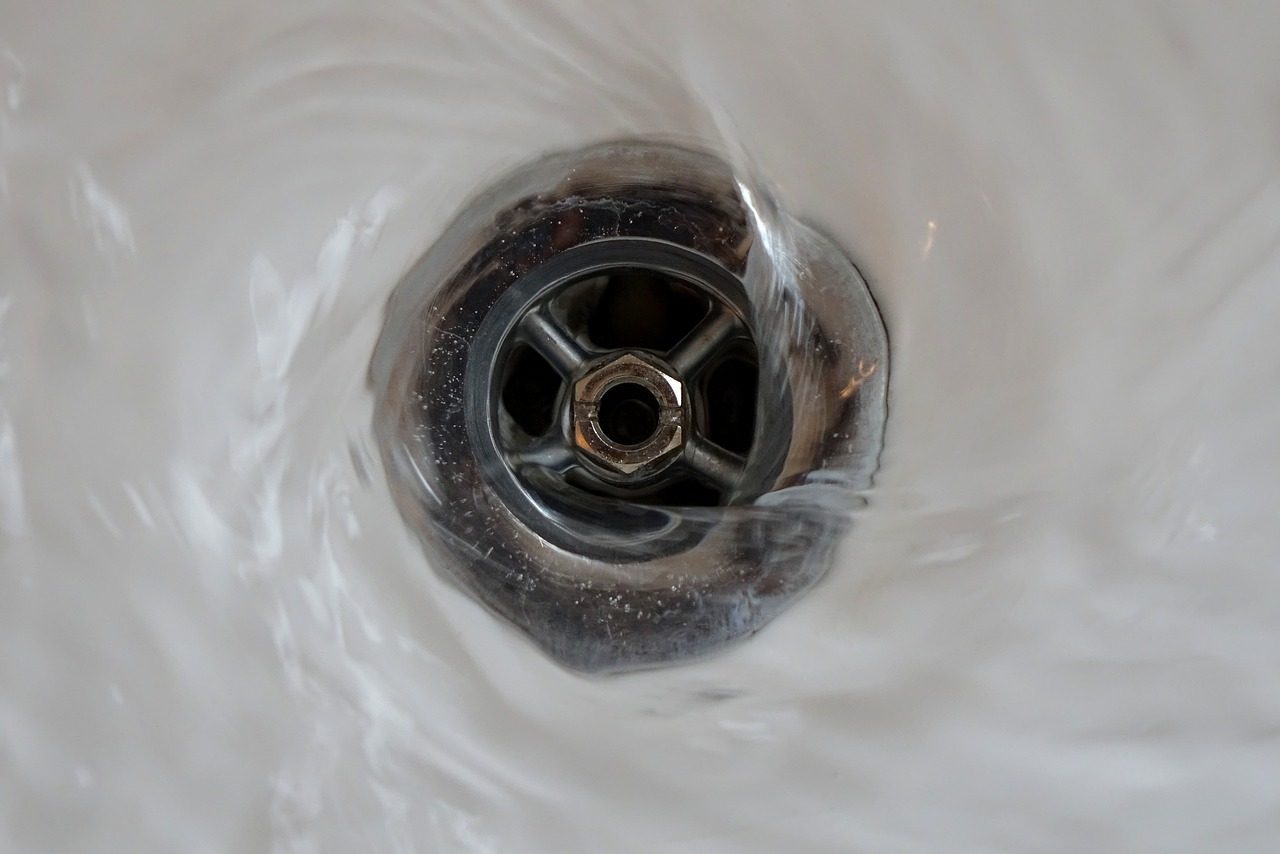
Picture it: it’s the morning, and you’re preparing to enjoy your hot shower before a long day at work only to find the sudsy water is suddenly pooling around your toes. As the water climbs, you realize the unfortunate fact that you have a clog. Drain clogs aren’t uncommon and can be caused by a wide variety of issues, most of which can be easily solved. However, at the moment, having your water fail to drain can be concerning. This is especially true if that clog forms in your kitchen sink or even worse, in your toilet. But panic not, cleaning a drain isn’t the end of the world.
Thank goodness for the internet though. It’s nice to know that should you need a plumber at any time of the night or day, help is on hand and plumbers such as silverwaterplumbing.com.au can be on hand twenty four hours a day, seven days a week.
While all plumbing systems will develop a clog at some point or another, if you’re armed with the right tools and techniques, you can clear almost any clog without calling expensive plumbers. However, if you can’t clear a clog after a few different attempts, know when to admit defeat and call a plumber. Otherwise, you could end up making things worse by damaging a plumbing pipe or fixture.
While some of the clogs we experience will need a professional like Mr Drains to come in and help out, plenty of those clogs can be cleaned with a bit of skill and know-how.
Common causes of household clogs
There are a couple of common culprits that cause clogs in your home’s plumbing. Here are the most common causes of clogs and the best ways of cleaning a drain.
- Hair
We all have it, and we all lose it, and it often ends up in the drains. Hair is one of the most common causes of clogs in plumbing because it can bind with greasy or sticky substances and create a congealed mass that water can’t dissolve. The easiest way to prevent hair-based clogs is by stopping them from happening in the first place. There are plenty of guards that you can put in your drains to stop hair from going down them, with the most successful types often being a perforated mushroom structure that blocks the hair while still letting the water drain quickly.
- Soap
Hearing that soap causes drain blockages might sound confusing since soap is supposed to clean things. However, traditional soap bars are made from grease or fat. Once the fat combines with the naturally occurring minerals in the water, it can form a thickened scum known as soap scum that will stain your baths and clog your pipes. Other greasy products such as hair conditioner or certain shave creams can also contribute to this issue.
If you’ve suffered from these issues in the past, having your pipes pressure washed and using a soap-free wash will help them from reoccurring.
- Food waste
Many people wash bits of food down their sink, especially if they have a garbage disposal, but food waste should never go down your drain and is a massive contributor to clogs. The worst culprits for this are tea leaves and coffee grounds, whose particles don’t dissolve, and oil or grease that solidify as they cool and cause blockages. Instead of washing food down the sink, place food particles in a compost bin and dump liquefied oil on a paper towel and toss it in the compost.
- Dirt
While your sinks are there to help get things clean, too much dirt can contribute to clogs and plumbing issues. Dirt buildups happen when people don’t take the time to shake off excess mud or dirt before putting clothes in the laundry. A quick shake off in the yard can help prevent any dirt clogs from forming.
- Physical objects
If you have kids, you know that having small objects end up in your sinks and toilets isn’t as uncommon as you hoped it would be. Things like toys, jewellery, caps, and other objects can find their way down drains.
For some metal objects, you may be able to fish them up with a magnet, or by opening the trap if you haven’t flushed a lot of water through. However, if an object is beyond the trap or stuck somewhere in between, you will most likely need professional help to get it out.
- Mineral buildup
If your home has hard water, it means that it has a much higher mineral content than other water sources. While hard water has some moderate physical benefits, it can wreak havoc on your plumbing system. Hard water can cause a built-up calcification that becomes an insoluble mass in your drains.
One solution to this is to install a water softener in your home. This will slowly break down the buildup and flush it out. Alternatively, you will have to descale and remove the sediment in your pipes regularly. Having a top-notch water filter is also a bonus!
- Toilet paper
You may be thinking: “but toilet paper is supposed to go in the toilet!” and that is true, but only in certain quantities. If you have someone in your family who is guilty of using large masses of toilet paper when they use the washroom, you may quickly end up with a clogged toilet from the toilet paper blocking the pipe.
Luckily, this is usually an easy solution. The first step is to stop flushing since that will leave you with less than clean water all over your floor. From there, clear the clog with a plunger to allow the mass to move and the pressure to release.
Cleaning a drain in your home
In most of our homes, we’ll have a variety of drains that could get clogged. While some of the clogs we experience will need a professional to come in and help out, plenty of those clogs can be cleaned with a bit of skill and know-how.
Clogs in your sink
Sink clogs often happen due to food waste. Oil and grease and food particles can bind into a mass that will cause a clog your drain. When you see the water starting to back up in your sink, your first line of defence is a trusty plunger. Just like a toilet, many sink clogs can be cleared with a couple of pumps of a plunger.
First, partially fill your sink with water before you start plunging. Work the plunger up and down over the drain vigorously, making sure there’s an unbroken seal. If you have a double-bowl sink, put a rag in the other drain hole. If it’s a bathroom sink, put it in the overflow drain. This will help deliver the pressure to the clog.
If plunging fails, grab a cable auger and get ready to go to work under the sink. Turn off the water and remove the trap with a pipe wrench. Empty the water from the trap into a bucket and make sure the trap isn’t clogged.
Remove the horizontal trap arm that protrudes from the stubout in the wall and feed the cable in until you feel resistance. Pull out about 18 inches, tighten the lock screw, and then crank the handle to push forward to drive the cable deeper into the pipe. Continue the process until you break through the blockage. If the cable gets stuck on something, crank it counterclockwise to pull it back.
Retrieve the cable, replace the trap arm and trap, and turn on the hot water to see if the sink drains. You may need to plunge it once more to remove the loose debris.
Clogs in your floor drain
Basements, laundry rooms, and garages all have floor drains that help remove water from wet cars, clothing, and water heaters. Because these drains are on the floor, they collect a lot more debris and soap scum than other drains. This mixture of slimy sand and debris can quickly start to crystallize in the pipe. Cleaning a floor drain can be tricky since these blockages can be tough and the pipes are long. To break through these blockages, you’ll need an electric power auger.
Power augers can have up to 50 feet of cable length, and most homeowners won’t have one handy. In the cases of floor drain clogs, you may be better off calling in the pros.
Clogs in the toilet
Toilet clogs may be common, but they are certainly not something anyone enjoys dealing with. Sometimes, plungers can clear the blockage in the tight, curving trap where they most likely occur in toilets; however, most often, you will need a closet auger.
First, if your toilet is bordering on overflowing, you’ll want to put some long gloves on and clear out some of the water. Then you can go to work with the closet auger.
To use a closet auger to clear a toilet clog, insert the auger end into the bowl with the tip aiming up. Hold it steady as you simultaneously crank and push down on the handle. As you’re doing this, you’ll feel the cable start to snake it’s a way through the trap. Keep cranking until all 3 feet of cable into the toilet. Bring the cable back by simultaneously cranking and pulling up. This should have cleared the clog, and you’ll be able to flush.
If your toilet is still sluggish when flushing, run the auger once through the left side of the trap and once up the right side, this will clear any debris clinging to the sides of the trap.
Did you like this post? Why not Pin it?

Featured article



No Comments