

Your indoor climate affects more than just its temperature. It has the power to significantly change your mood, productivity, and overall health. Though often overlooked, this invisible force can either uphold or hinder your daily life. From humidity and air quality to temperature and ventilation, each factor plays a part in creating an ideal living space. In this blog, we will look at how your home’s indoor climate impacts you personally as well as ways to improve it for a higher quality of life.
The Role of Temperature in Comfort and Focus
The role of temperature in comfort and focus cannot be underestimated, with even minute variations having significant consequences on your productivity and well-being. A room that’s too cold can inhibit productivity by forcing your body to work harder at keeping warm, while excessive heat often results in discomfort and irritability. But when you invest in air conditioning installation, you can ensure a constant, pleasant temperature for physical comfort as well as mental clarity.
The Hidden Effects of Poor Air Quality
Ever felt lethargic, unable to focus, and constantly sniffly when indoors? This could be caused by poor air quality. Dust mites, allergens, and volatile organic compounds (VOCs) from household items may wreak havoc with your respiratory health and cause you fatigue. Indoor plants, air purifiers, and regularly changing HVAC filters are simple yet effective ways of improving your overall well-being and contributing to better sleep and mental focus.
Humidity: Getting the Right Balance
Humidity is another component that directly affects both your respiratory health and the structural integrity of your home. Low humidity levels may lead to dry skin, irritated eyes, and increased susceptibility to colds. On the other hand, high humidity invites mould growth, which damages buildings as well as triggers allergies. Aim for a 30%-50% relative humidity level as an ideal target, using either a humidifier or dehumidifier as needed to maintain balance.
Lighting and Emotional Well-Being
Indoor lighting plays a big role in your indoor climate and has the ability to significantly affect your mood and energy levels. Dim lighting may create an intimate setting, but over time it can lead to feelings of fatigue or depression. While bright natural lighting helps regulate your circadian rhythm, encouraging alertness and happiness. When you install adjustable lighting options or increase natural sunlight in your home, it’s possible to create an atmosphere in tune with natural energy cycles that enhance your emotional wellness and well-being.
Ventilation: Breathing Fresh Air
Poor ventilation can make even the cosiest home feel oppressive. Airflow is important to remove pollutants from indoor environments while also providing fresh oxygen into our lungs. Stagnant air can lead to headaches, fatigue, and feelings of discontentment. To promote proper ventilation, open windows daily or use exhaust fans. Invest in ventilation systems designed specifically for giving you fresh and invigorating air.
Conclusion
Your home’s indoor climate is more than just something in the background. It plays a role in supporting your health, happiness, and productivity. Every element (temperature, air quality, humidity, lighting, and ventilation) contributes to creating an environment conducive to leading a balanced and fulfilling lifestyle. When you take the steps to make these factors better, your living space can become a sanctuary where you thrive.
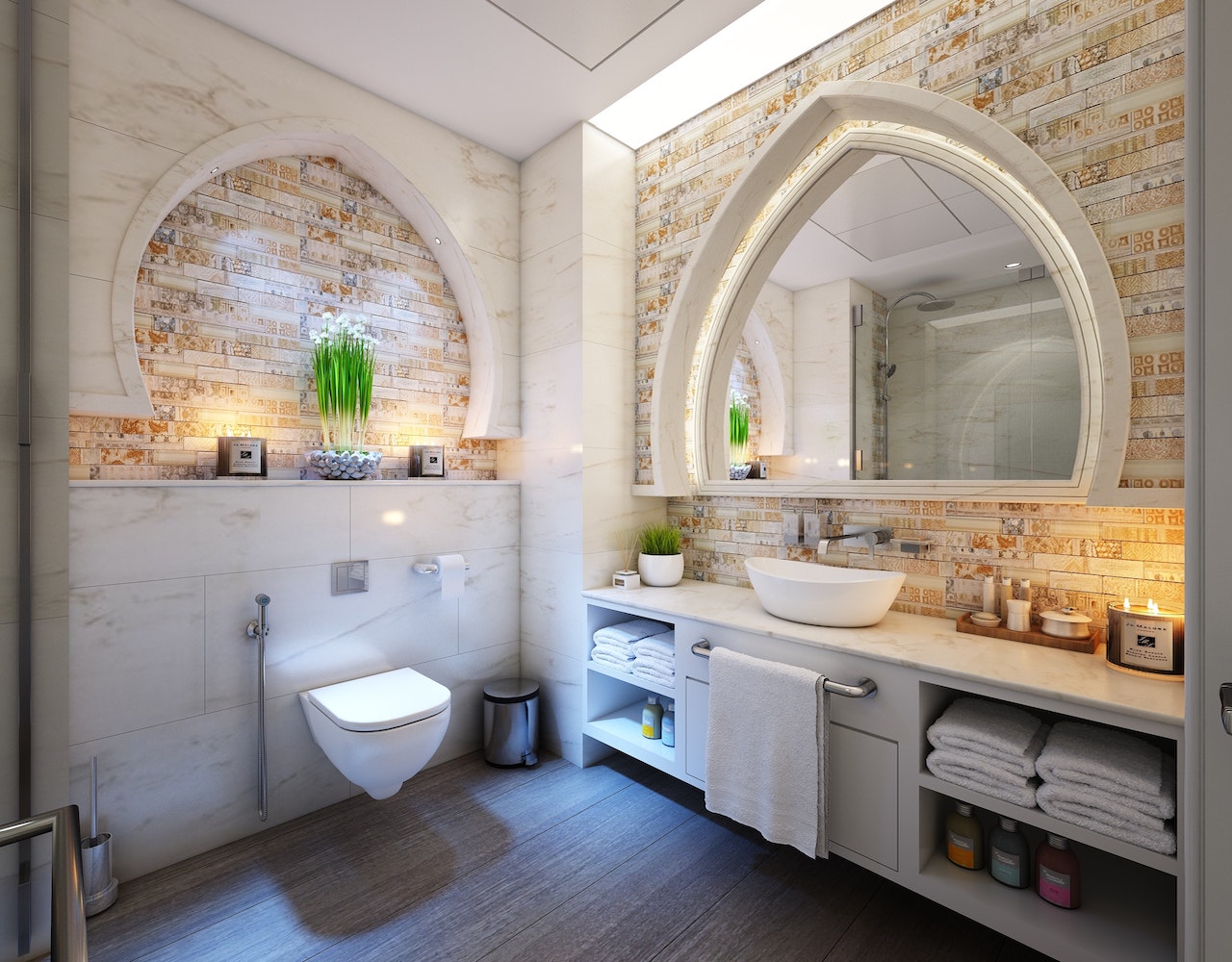
Photo by Vitaly Gariev on Unsplash


No Comments