
When it comes to enhancing your home’s curb appeal, the driveway materials are one of the most crucial elements. It’s more than just the pathway to your garage; it’s a significant part of your home’s first impression. If you’re considering installing a new driveway, it’s essential to choose the right driveway materials that suit you in terms of aesthetics, durability, and even property value. They also have to align with your needs, budget, and style preferences.
We highlight the popular options below so you can make your pick.
1. Pavers: The Customizable and Stylish Choice
For homeowners who want a driveway that stands out, pavers offer a customizable and visually appealing option. It comes in various materials, including concrete, brick, and stone (which we discuss individually below), allowing you to create a unique design that enhances your home’s overall look. With a wide range of colors, shapes, and patterns available, the possibilities are almost endless.
Pavers are incredibly durable and can withstand heavy traffic without cracking. If one piece does become damaged, it’s easy to replace it without having to redo the entire driveway. This makes it a practical and long-lasting choice for those who want a beautiful, customized driveway.
Although this option tends to be pricy due to its superior quality, one of the best decisions you can make here is choosing the right paver contractor.They’ll be able to recommend the best customization options suitable for your needs and budget while providing a supreme installation that ensures your driveway stands the test of time.
2. Concrete: The Durable Classic
Concrete is one of the most popular driveway materials, and for good reason. It’s durable, low-maintenance, and provides a clean, smooth finish. If you want a material that can withstand the test of time, concrete should be high on your list.
Concrete driveways are known for their strength. They can handle heavy vehicles and resist cracking under pressure when properly installed. Plus, with the option to add color, patterns, or even a stamped finish, concrete doesn’t have to be boring. You can create a custom look that complements your home’s exterior.
However, concrete isn’t without its downsides. It can be prone to staining from oil spills and other substances, and in colder climates, freeze-thaw cycles can cause cracks.
3. Asphalt: The Affordable Alternative
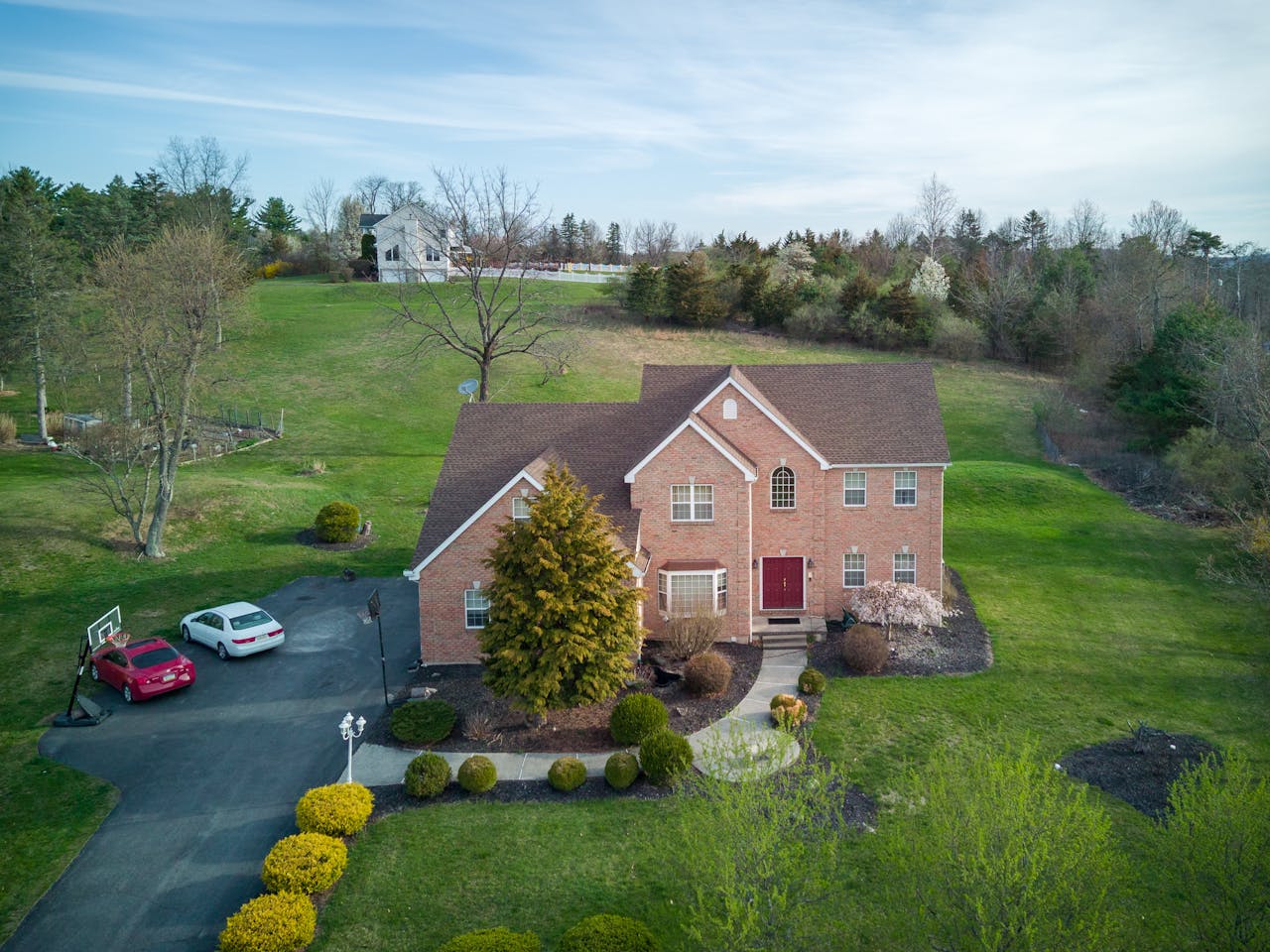
Asphalt is another common material used for driveways, especially if you want something cost-effective. It’s often called “blacktop” due to its dark color, which provides a sleek, modern look. Asphalt is also relatively quick to install, making it a convenient option if you want your driveway ready quickly.
One of the significant advantages of asphalt is its flexibility. Unlike concrete, which can crack in extreme conditions, asphalt’s pliability allows it to expand and contract with the weather, reducing the likelihood of damage. Plus, repairs are generally easier and less expensive with asphalt. You can simply add another layer or fill in any cracks to restore its appearance.
However, asphalt requires more maintenance than concrete. It needs to be resealed every few years to maintain its integrity and appearance. Over time, the surface may also fade due to sun exposure.
4. Gravel: The Budget-Friendly and Rustic Option
Gravel is an excellent choice if you’re on a tight budget or aiming for a rustic, country-style aesthetic. It’s one of the most cost-effective driveway materials, and it’s relatively easy to install. Gravel driveways are made up of a base layer of rocks, topped with smaller stones or gravel, providing a permeable surface that allows water to drain through.
One of the biggest advantages of a gravel driveway is its permeability. In areas with heavy rainfall, gravel helps prevent water from pooling on the surface, reducing the risk of flooding.
However, the stones can shift over time, leading to uneven surfaces, and you’ll need to periodically add more gravel to maintain its appearance. Weeds can also become an issue.
5. Brick: Timeless and Elegant
If you’re drawn to traditional or historic styles, brick could be the material for you. It’s known for its durability and strength, and it can withstand years of use while maintaining its classic look.
Brick driveways are also environmentally friendly, as bricks are made from natural clay and can be recycled. The interlocking pattern of bricks allows for flexibility, which means the driveway can adapt to shifts in the ground without cracking.
On the downside, brick is one of the more expensive driveway materials, and it can require significant maintenance. The bricks can become uneven over time, and the mortar may need to be repaired or replaced. Additionally, moss and algae can grow on the surface, especially in shaded areas, which can make the bricks slippery.
Verdict
Whether you prefer the durability of concrete or the affordability of asphalt, consider your budget, climate, and personal style when choosing driveway materials. With the right material, your driveway will not only serve as a practical entrance to your home but also as a beautiful feature that enhances your property’s overall appeal.
Photo by Greg Samuel



No Comments