
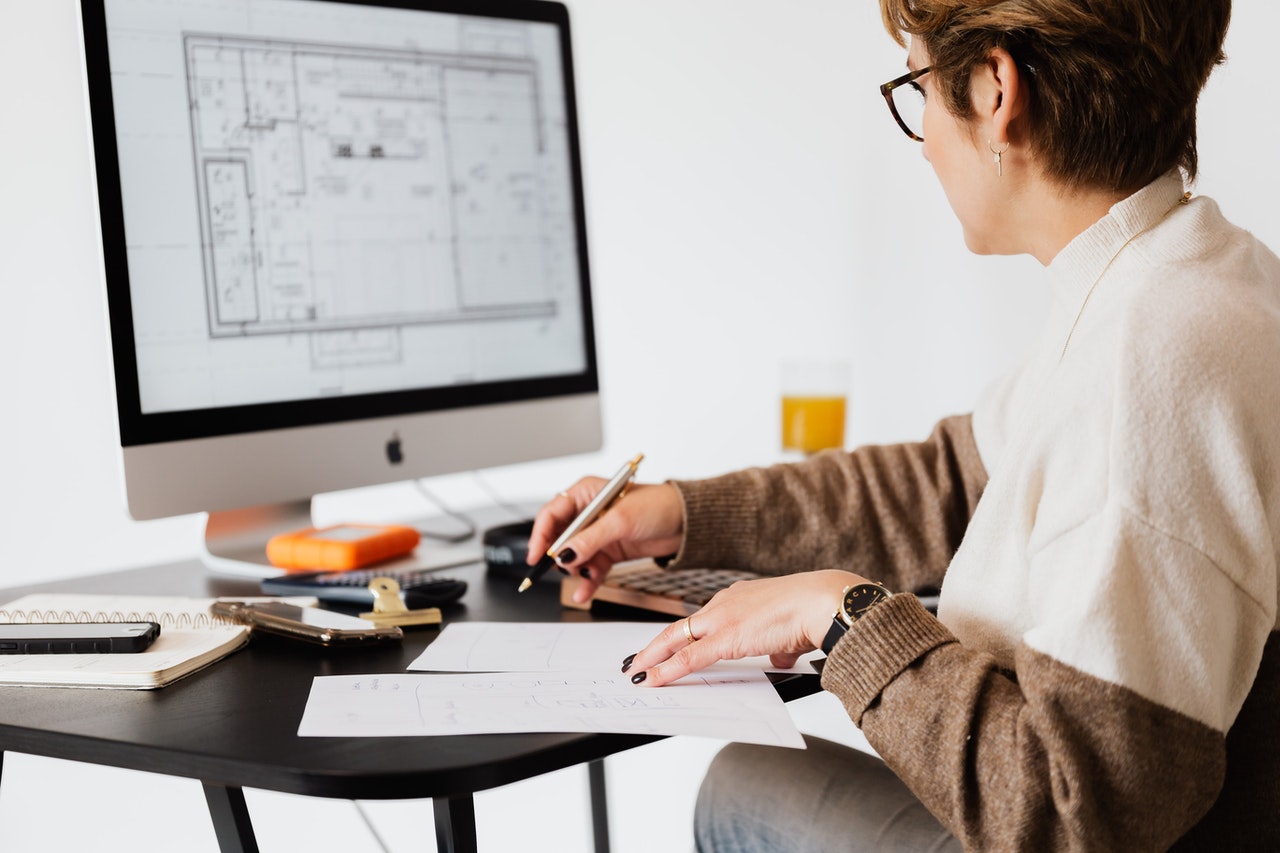
When developers plan a project, they can choose to make your construction as green as possible. This can be in the way that the project is built but it can also be what is built and the end result. It’s becoming easier and easier to incorporate greener practices into modern buildings and building from scratch is the perfect starting position to really explore these options.
Make Green Construction Choices
The most important thing that you can do is to think green while making any decision with regard to the planning and implementation of your project. What materials you use, where you build, and how you build are all influencing factors when it comes to how sustainable and environmentally friendly the resultant building becomes.
Sustainable Materials
Sustainable materials can go a long way to improving the green status of your building. When used, the impact you have on the environment is noticeably decreased. Sustainable materials include recycled construction materials such as recycled steel and plastic but also alternative material choices to traditional building fodder. Concrete has had a massive negative effect on our wider world. The things you use to assemble the building can influence pollution rates, waste management, and impact on surrounding nature. Just because you’re using sustainable materials, it doesn’t mean the quality has to suffer. There are many award winning floorplans and in-home designs that can be sustainable.
Use Natural Resources
Natural resources are things like rainwater, bamboo, wood, and straw. When used correctly, they add to the integrity of a structure in a massive way. One great way to make your project more geared toward environmental protection is through the use of naturally occurring rainwater. Rainwater can be collected in easily installable units. This rainwater can then be filtered and concentrated in order to be recycled into the home. Though you can’t really drink it, as it’s not recommended owing to the possible negative effects on health, it can be used for things like cleaning, gardening, and even flushing toilets. It is a natural resource that we are in no short supply of, and it’s a really easy way to make a greener choice.
Insulate Your Build
Heating a home can cost money. It can also cost the environment. Naturally occurring materials such as gasses and oils that are traditionally used to heat and power homes have a tax on the environment. There are more sustainable alternatives in circulation. One significant choice any project can make is in the building’s insulation properties. By properly insulating a building you can promote natural heat retention and more manageable temperature control. This is a real game changer, as not only can you use sustainable resources to insulate a building project, but you can also make the building itself more sustainable when you use them.
Use Green Energy
So, we have covered greener materials and the actual building process. Now, it’s time to consider what happens when a building is finished. The choice to use greener energy, or renewable energy, is a vital consideration for any new construction. Renewable energy protects the environment and it protects the future of the world. What options do you have?
Solar Energy
Solar energy is a really easy way to start using renewable energy sources. Solar panels can be installed over the property to absorb UV rays, which in turn is harnessed to power a building. This is an alternative to traditional electricity sources. The solar panels sit and constantly absorb UV energy in order to create an ongoing energy source for the building.
Biomass Fuel
Biomass comes from the world around us. It is a fuel source created through the process of burning plant life, wood, and other household waste. Like solar energy, it can be used to power buildings as an alternative to electricity or heating oils. Anyone can use biomass fuel; all you need is a proper biomass boiler. It’s worth noting that biomass does emit carbon dioxide through the burning process. However, the levels are nowhere on the scale of other types of fuel, and it is still more environmentally friendly than the alternate choices.
Wind Energy
Wind energy harnesses wind in order to power a building. Along with solar energy, it is one of the most sustainable and environmentally friendly energy options available. If there is a patch of land attached to your build, wind energy is the perfect choice. A wind turbine is big, and it takes up space, but the offset of that is that you get an almost unlimited supply of power all year round.
Hydropower
Hydro energy might be a bit trickier to put into the standard building, but it is still worth considering. Hydro energy channels water to create energy and, therefore, electricity. If the development is near a water source, this is an option worth exploring. If not, then it is not really an option.
Book A Biodiversity Assessment
A Biodiversity assessment can help you understand the nuances of your potential building area. It can give you a wider viewpoint and a detailed report of what wildlife exists around the site, how your build might impact it, and the steps you need to take to reduce and eliminate negative repercussions. Biodiversity Net Gain Plan provides a professional and trusted service that has a wide scope and incorporates green practices. A professional ecologist can help developers get section 106 agreements signed off. With the right net gain survey, the project can verify how it has taken the natural surroundings into consideration. This is becoming more and more essential.
So, there you have it. These are just some of the main ways that you can make your next project cater to environmental needs. Keeping a green mindset is a question of morals and legality. The world of construction is shifting further towards being more sustainable and protecting our environment, and your development needs to be a part of that. What that looks like is up to the individual. It could be choosing renewable energy sources or investing in more sustainable materials. Don’t forget the positive impact of a professional survey can go a long way to making your project more sustainable as well.


No Comments