
Endometriosis – a term that can feel daunting when you first hear it. But understanding what it is and recognising the signs of endometriosis and when you need to seek help can make all the difference. If you’re one of the many women who suspect they might be dealing with endometriosis, knowing the key signs is essential. The good news? You’re not alone, and getting the right support is just a doctor’s visit away.
What Is Endometriosis?
Before we get into the tell-tale signs, let’s quickly cover what endometriosis is. Essentially, it’s a condition where the tissue that usually lines the inside of the uterus (the endometrium) grows outside it. This misplaced tissue can cause all sorts of trouble, as it thickens, breaks down, and bleeds with each menstrual cycle – but because it has nowhere to go, it becomes trapped. Over time, this can lead to pain, inflammation, and the formation of scar tissue.
But how do you know when it’s time to seek medical advice? Let’s dive into the symptoms that should push you to make that appointment.
Key Signs You Shouldn’t Ignore
There are plenty of signs that could hint at endometriosis, but the following symptoms are some of the most common. If you notice any of these, it’s a good idea to talk to your doctor:
- Severe Period Pain
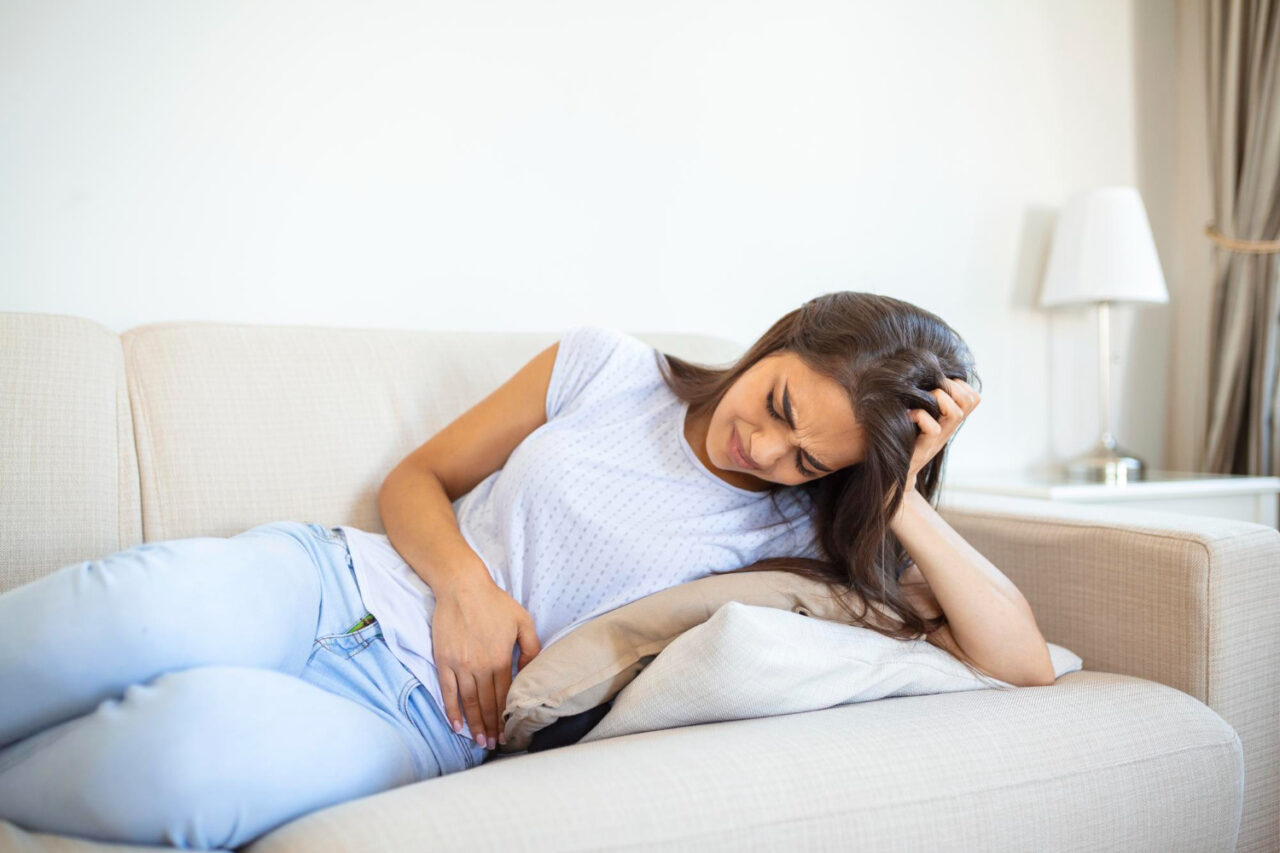
Most women experience some level of discomfort during their periods, but if the pain is overwhelming – the kind that leaves you curled up in bed or unable to carry on with daily tasks – it’s time to consider whether this is normal. Endometriosis-related period pain usually begins before your period and may last several days into it, and it’s not something that can be shrugged off with a bit of rest. - Pain During or After Sex
This is a tricky one to talk about, but pain during intercourse, particularly with penetration, is another red flag for endometriosis. The pain might not be immediate, and you could notice discomfort after sex too. If this sounds familiar, it’s definitely worth mentioning to your doctor. Don’t let embarrassment stop you from getting the care you deserve. Book an appointment with one of the available female doctors Brisbane based, who’ll make you feel comfortable and put you at ease. - Pain With Bowel Movements or Urination
If going to the bathroom becomes an uncomfortable or even painful experience, especially during your period, it might be due to endometriosis. Many women experience pain or difficulty when urinating or having bowel movements, so this is something that shouldn’t be ignored. - Heavy or Irregular Periods
While some level of menstrual flow variation is normal, consistently heavy periods or irregular cycles can signal an underlying issue. If you need to change tampons or pads more frequently than every hour or passing large clots, it’s time to get checked out. - Difficulty Getting Pregnant
Struggling to conceive can be a frustrating and emotional experience. Endometriosis is often linked to infertility, but many women don’t realise the connection. If you’ve been trying to get pregnant without success, talking to a healthcare professional about endometriosis might help provide some answers.
The Impact on Your Daily Life
It’s not just about pain or discomfort during certain activities – endometriosis can impact your overall quality of life. If you find yourself regularly missing work, school, or social events due to pain, or if you’re constantly fatigued because your body is battling this condition, it’s time to seek help.
Chronic pain, whether it’s in your lower back, abdomen, or during bowel movements, can take a toll on your mental health too. It’s easy to dismiss these symptoms as “normal” or something to power through, but chronic pain is never something you should have to endure.
When Should You See a Doctor?
So, when is it time to call up your GP and schedule that appointment? Here are five solid reasons to pick up the phone—or book online with myGP Clinic:
- Your pain is interfering with daily life – If your period pain or any of the other symptoms we’ve talked about are stopping you from living your normal life, it’s a clear sign you need to talk to a doctor.
- Home remedies and over-the-counter medications aren’t helping – If you’ve tried everything from heat packs to ibuprofen and nothing seems to touch the pain, it’s a sign that there might be more going on.
- You’ve been trying to conceive without success – If pregnancy isn’t happening after a year of trying (or six months if you’re over 35), it’s time to investigate possible causes, and endometriosis could be one of them.
- You’ve noticed changes in your bowel or bladder habits – Painful bowel movements or urination during your period is another key indicator that should prompt a medical visit.
- You suspect you have endometriosis – Sometimes, the symptoms just feel like they add up, and if you’re worried, there’s no harm in getting checked out to ease your mind.
The Importance of Early Diagnosis
Getting an early diagnosis of endometriosis can make a world of difference. While there’s no cure for the condition, there are treatments that can help manage the symptoms. The earlier you catch it, the more options you have to manage the pain, prevent complications, and protect your fertility.
Endometriosis is often diagnosed through a combination of pelvic exams, imaging tests, and sometimes surgery. While this might sound intimidating, remember that seeking help is the first step toward feeling better.
Wrapping It Up
Endometriosis can be a tricky condition to navigate, especially when symptoms overlap with common menstrual issues. But if you’re experiencing severe pain, irregular periods, or difficulty conceiving, don’t dismiss it as just “part of being a woman.” Your health matters, and you deserve to live without constant pain and discomfort. Talk to a doctor and get the support you need – it could make all the difference.



No Comments