
From checking emails first thing in the morning to scrolling through social media before bed, screens are a constant part of modern life. It’s hard to imagine a day without our laptops, smartphones, and tablets. But while these devices connect us and make life more convenient, they can also take a toll on our eyes. If you’ve ever finished a long day of work with tired, sore, or watery eyes, you’re not alone. The good news is that with a few simple adjustments, you can protect your vision without giving up your digital life.
Digital Eye Strain: What It Is
That uncomfortable feeling you get after staring at a screen for too long has a name: digital eye strain. It’s also known as computer vision syndrome, and it covers a group of eye and vision problems that come from using digital devices for a long time. Symptoms can be different for everyone but often include:
- Eye fatigue and discomfort
- Dry or watery eyes
- Headaches
- Blurred vision
- Neck and shoulder pain
- Increased sensitivity to light
These issues pop up for a few reasons. When we look at screens, we tend to blink less often, sometimes half as much as usual. Blinking is super important for spreading tears across your eye, keeping it moist and clear. Blinking less leads to dryness and irritation. Plus, the text and images on a digital screen are made of pixels, which don’t have as much contrast as printed text and have less defined edges. This makes our eyes work harder to focus, which leads to fatigue. Glare from the screen and bad posture can also really add to the strain.
Simple Habits for Eye Health
One of the best ways to fight digital eye strain is to build small, healthy habits into your daily routine. You don’t need to make huge changes; being consistent is what matters. A great place to start is with the 20-20-20 rule. It’s easy to remember and works really well. Every 20 minutes, take a 20-second break and look at something at least 20 feet (about 6 meters) away. This short break lets your eye muscles relax from constantly focusing on a close-up screen. Set a timer on your phone or computer to remind you until it becomes second nature.
Another simple but powerful habit is to make a conscious effort to blink more often. When you’re really into your work or a video, you might not realise how little you’re blinking. Remind yourself to blink fully and frequently to keep your eyes lubricated. If your eyes still feel dry, over-the-counter artificial tears can help. Taking regular breaks away from your screen altogether is also super important. Get up, stretch, walk around the room, or grab a glass of water every hour. These small actions help not just your eyes but your whole body. There are many simple ways to protect your eyes that you can fit into your day with minimal effort.
When to Consult an Eye Care Professional
While self-care habits can make a big difference, sometimes they aren’t enough to fix ongoing symptoms. If you find that even with regular breaks and adjusted habits, you still get frequent headaches, blurred vision, or a lot of eye discomfort, it might be time to get professional advice. These symptoms could point to an underlying issue that screen use is making worse.
An eye care professional can do a thorough eye exam to figure out what’s really causing your discomfort. Sometimes, a minor vision problem you didn’t even notice before, like farsightedness or astigmatism, can make it much harder for your eyes to focus on a screen. If you’ve tried these tips and still have persistent issues, it’s a good idea to book an appointment with an optometrist. They can assess your vision, check your overall eye health, identify any underlying conditions, and recommend solutions such as prescription lenses for computer use if needed.
Optimising Your Workstation
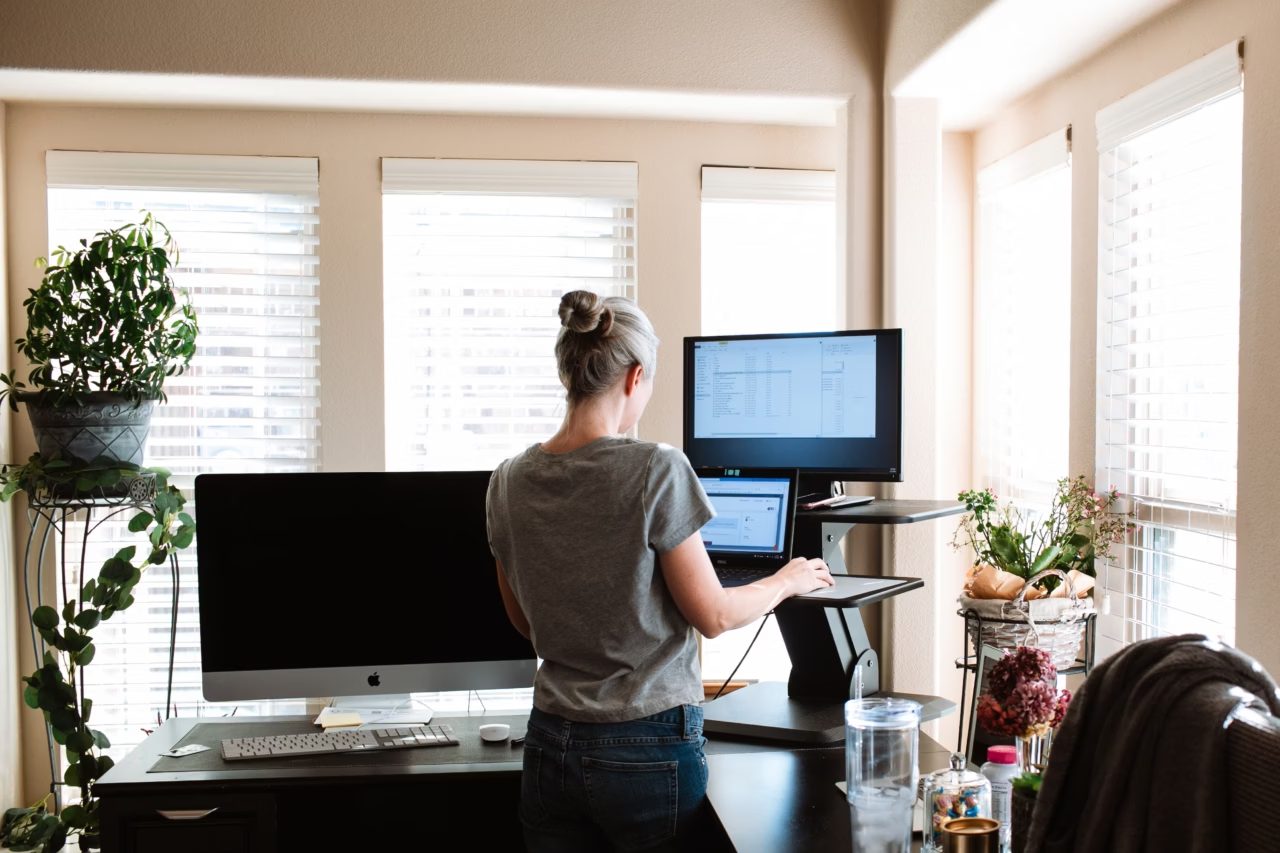
Your physical environment plays a big part in how your eyes feel at the end of the day. A poorly set up workstation can force your eyes and body into awkward positions, leading to discomfort. Taking the time to optimise your setup is a one-time effort that brings long-term benefits for your vision and overall well-being.
Start by checking your monitor’s position. Your screen should be about an arm’s length away from your face, and the top of the monitor should be at or slightly below your eye level. This position lets you look slightly down at the screen, which is a more natural and relaxed posture for your eyes and neck.
Lighting is another key factor. Try to arrange your desk so that windows are to the side of your monitor, not directly in front or behind it, to reduce glare. If you can’t avoid glare from overhead lights or windows, think about using an anti-glare screen filter. Adjust your display settings for maximum comfort. The brightness should match the light in your room; it shouldn’t look like a light source itself. Increase the text size and contrast to make reading easier. Many digital devices and your eyes will benefit from these simple ergonomic adjustments.
Beyond the Screen: Holistic Vision Care
Protecting your vision goes beyond just managing screen time. A broader approach to your overall health will naturally support your eyes. What you eat, how much you sleep, and how you spend your time away from screens all help with long-term eye health.
A balanced diet rich in specific nutrients is great for your eyes. Look for foods with:
- Vitamin A: Found in carrots, sweet potatoes, and leafy green vegetables.
- Vitamin C: Lots in citrus fruits, bell peppers, and broccoli.
- Vitamin E: Found in nuts, seeds, and sunflower oil.
- Omega-3 Fatty Acids: Present in oily fish like salmon and mackerel, as well as flaxseed.
- Lutein and Zeaxanthin: Found in leafy greens like spinach and kale.
Staying hydrated is also important. Drinking plenty of water throughout the day helps your body work properly, including making tears that keep your eyes from feeling dry and gritty. Getting enough sleep is equally important. While you sleep, your eyes get refreshed and repaired from the day’s stresses. Aim for 7-9 hours of quality sleep each night to give your eyes the rest they need. Finally, make an effort to spend time outdoors. Natural light is good for your eyes, and focusing on distant objects gives them a much-needed break from close-up work.
Protecting your vision doesn’t mean you have to ditch technology. It’s about building a more mindful relationship with your screens and bringing healthy habits into your life. Start by trying just one of these tips today, like following the 20-20-20 rule, and see the difference it makes.
Image Credit: Pexels



No Comments