
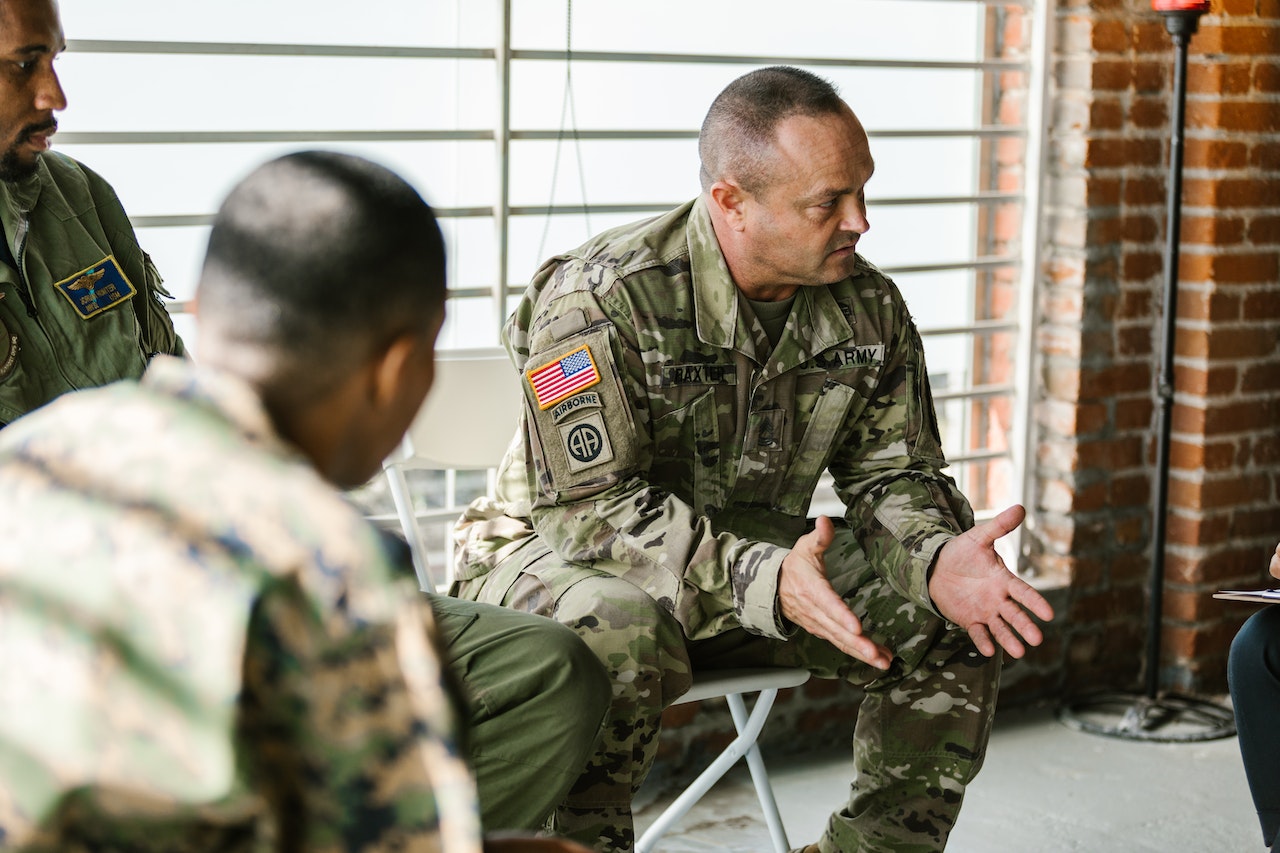
Average American citizens give little thought to what it’s like to return home as a veteran. They assume that surviving the war means going home to live a normal life, just like everyone who hasn’t sacrificed for their country. Unfortunately, many veterans are fighting a hidden battle.
The Invisible Wounds of War
When someone loses a limb, the harm is obvious. The mental health toll that repeated deployments takes on US veterans, on the other hand, is invisible and more often than not simply gets swept under the rug. While there is effective mental health treatment for veterans suffering from depression and post-traumatic stress disorder (PTSD), the unreasonable stigma surrounding these and other mental health issues prevents many people from seeking it out.
This same stigma makes it difficult for the average person to comprehend how widespread the problem is. One recent study showed that the risk of depression among active-duty military members and veterans is five times that found in the civilian population, and the rate of PTSD in the same group was almost 15 times as high.
The Difficulty of Transitioning Back to Civilian Life
For many veterans, mental health struggles make an already difficult transition back to civilian life from active duty even harder. Recently returned veterans often have difficulty translating the skills they have learned in the military over to jobs in the civilian world, creating barriers to success, and most report difficulties with adjusting to the lack of structure. When clinical depression and PTSD are added to those difficulties, it can feel insurmountable.
Signs and Symptoms of Mental Health Issues in Veterans
While society as a whole remains unaware of the hidden mental health consequences of going to war, veterans’ families, friends, and other loved ones almost always notice signs and symptoms of these unwanted changes. They can include:
- Changes in sleep habits.
- Avoiding people or activities reminiscent of trauma.
- Negative thoughts and feelings of hopelessness.
- Difficulty concentrating.
- Anger and aggressive behaviour.
- Self-destructive behaviour.
To complicate matters further, these common signs of PTSD also overlap with symptoms of traumatic brain injury (TBI). Up to 20% of today’s veterans report suffering at least one TBI during their deployments, and many more fail to recognize that they have brain injuries. If they didn’t lose consciousness, symptoms like headaches, dizziness, and memory problems may go unnoticed.
Combating Barriers to Treatment
While there is help available to veterans suffering from TBIs, PTSD, depression, and other neurological or mental health conditions, negative stigma remains one of many barriers to treatment. Veterans, in particular, often hesitate to ask for help. While the stigma surrounding mental illness and wellness in the general population is beginning to abate, military culture makes it harder for many veterans to get over the entrenched idea that they always need to be strong and self-sufficient.
Once veterans do find a way to ask for help, the resources available will vary significantly depending on who they are and where they live. People in rural areas, for example, don’t always have access to traditional healthcare services.
How to Help Veterans
The best thing that someone can do if they’re concerned a loved one is suffering after returning home from war is to listen. If a veteran is ready to ask for help, offering assistance with navigating the mental healthcare system might also be appreciated. Just don’t make any assumptions and don’t try to relate unless the situation truly is relatable.



No Comments