
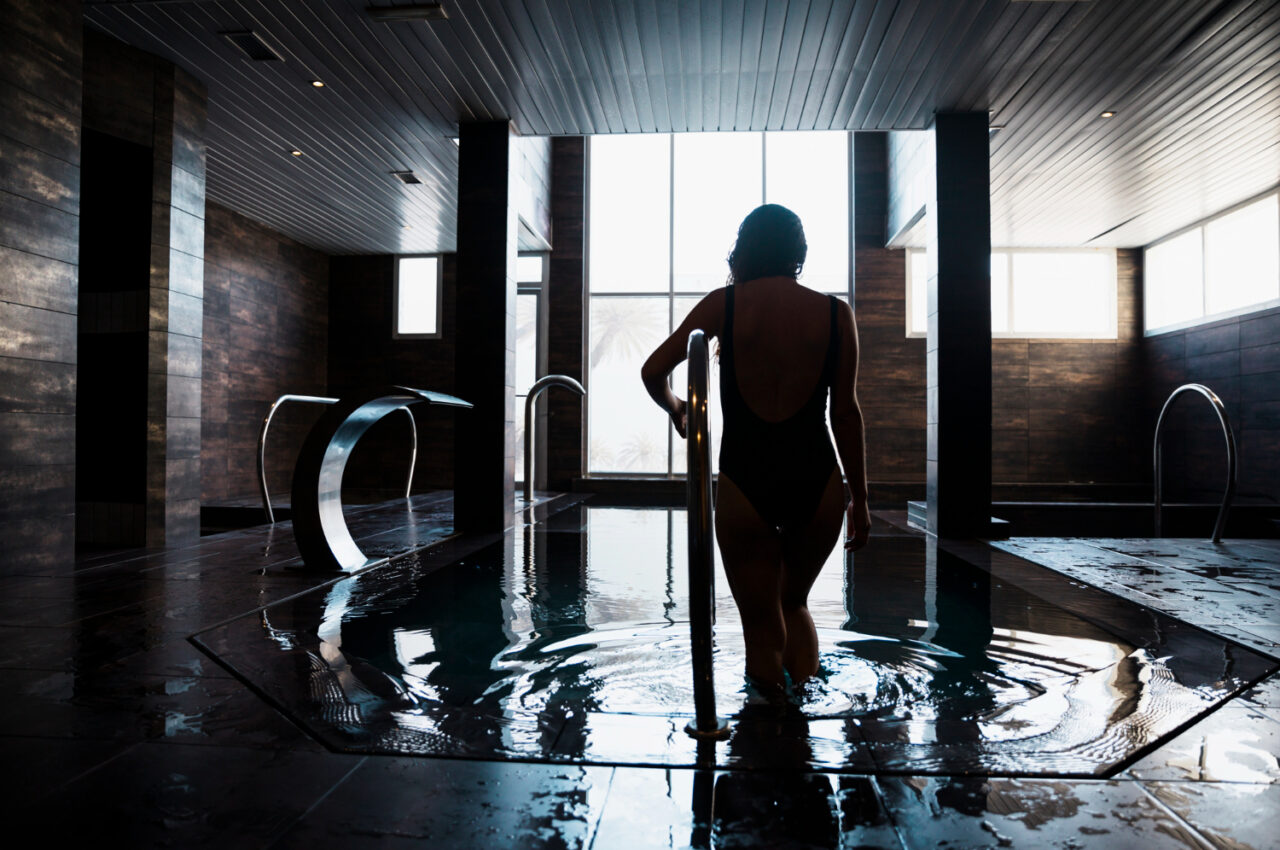
In the hustle and bustle of modern life, public baths might seem like a relic of the past. However, in recent years, there has been a resurgence of interest in these communal spaces, with establishments like Banya No.1 in Chiswick leading the way in reinventing the traditional public bath experience. From their origins in ancient civilisations to their modern-day incarnation as havens of relaxation and wellness, public baths have a rich history that continues to captivate and inspire. In this article, we will explore the revival of modern public baths, focusing on Banya No.1 in Chiswick as a prime example of how these spaces are being reimagined for contemporary audiences.
The Historical Significance of Public Baths
Public baths have been an integral part of human civilisation for millennia. From the ancient Roman baths to the hammams of the Middle East, these communal bathing spaces have played a central role in social, cultural, and religious rituals throughout history. In ancient times, public baths were places to cleanse the body and served as gathering spots for communities to socialise, relax, and rejuvenate. The tradition of public bathing persisted through the centuries, evolving and adapting to different cultures and contexts.
The Modern Public Bath Experience
Banya No.1 – Chiswick is a prime example of how public baths are being reinvented for the modern era. Drawing inspiration from Russian banya culture, this establishment offers a unique and immersive bathing experience combining traditional rituals and modern amenities. Visitors to Banya No.1 can enjoy a range of thermal experiences, including saunas, steam rooms, and plunge pools, all designed to promote relaxation, detoxification, and overall well-being. In addition to bathing facilities, Banya No.1 offers massage therapies, beauty treatments, and a relaxation lounge where guests can unwind and socialise.
The Decline and Rediscovery of Public Baths
Despite their historical significance, public baths experienced a decline in popularity in many parts of the world with the advent of modern plumbing and private bathrooms. The rise of hygiene standards and changing social norms also contributed to the waning appeal of communal bathing. However, there has been a renewed interest in the communal bathing experience in recent years, driven by a growing desire for relaxation, wellness, and connection. This resurgence has led to the revival of public baths in various forms, from traditional Japanese onsens to contemporary spa facilities like Banya No.1 in Chiswick.
The Benefits of Public Bathing
Beyond the immediate pleasure of relaxation and pampering, public bathing offers a range of health benefits for both body and mind. The heat and steam of saunas and steam rooms can help improve circulation, ease muscle tension, and promote detoxification through sweating. Regular bathing rituals have also been associated with reduced stress, improved sleep, and enhanced immune function. Moreover, the communal aspect of public baths fosters community and connection, providing opportunities for socialising and bonding with others.
Sustainability and Eco-Friendly Practices
In an age where environmental sustainability is a growing concern, public baths have the potential to offer eco-friendly alternatives to private bathing facilities. Public baths can significantly reduce their ecological footprint compared to individual homes with private bathrooms by centralising bathing resources and optimising water and energy usage. Additionally, many modern public baths, including Banya No.1, are implementing eco-friendly practices such as using renewable energy sources, minimising waste, and utilising natural and biodegradable products in their treatments. By promoting sustainability alongside relaxation and wellness, these establishments contribute to a more environmentally conscious approach to self-care and leisure.
Accessibility and Inclusivity
One of the key advantages of public baths is their accessibility and inclusivity. Unlike exclusive spas and private clubs, public baths welcome people from all walks of life, providing a space where individuals of diverse backgrounds can come together and share in the experience of relaxation and rejuvenation. Furthermore, many public baths, including Banya No.1, offer special accommodations for people with disabilities, ensuring everyone can enjoy communal bathing regardless of physical limitations. By prioritising accessibility and inclusivity, public baths serve as important hubs of social cohesion and equality in an increasingly fragmented society.
The Future of Public Baths
As public interest in health, wellness, and sustainability continues to grow, the future of public baths looks promising. Establishments like Banya No.1 – Chiswick pave the way for innovative approaches to communal bathing, incorporating elements of tradition, culture, and sustainability to create unique and immersive experiences for patrons. With advancements in technology and design, the public baths of the future may offer even more sophisticated amenities and customisable experiences tailored to individual preferences. Moreover, as awareness of the environmental benefits of communal bathing increases, public baths are likely to play a more significant role in promoting sustainable lifestyles and fostering a deeper connection to the natural world.
Conclusion
The revival of public baths in modern times represents a renaissance of an ancient tradition, offering a sanctuary of relaxation and wellness in today’s hectic world. Places like Banya No.1 in Chiswick are leading the way in reimagining the public bath experience for contemporary audiences, blending traditional rituals with modern amenities to create an oasis of tranquillity and rejuvenation. As more people seek refuge from the stresses of contemporary life, the allure of public baths continues to grow, reminding us of the timeless appeal of communal relaxation and the enduring power of ancient traditions.


No Comments