
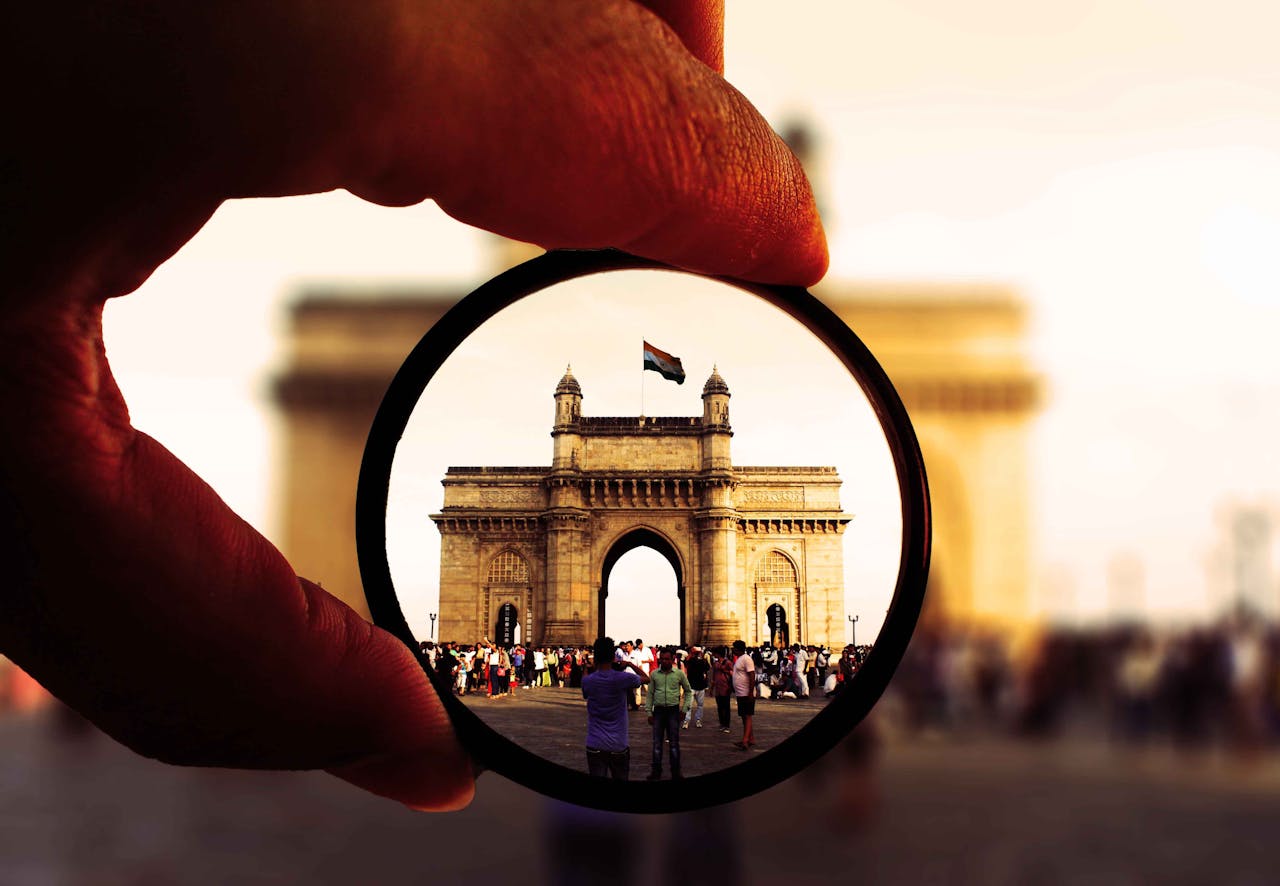
India’s festivals are a land of diverse cultures, languages, and traditions, with a calendar brimming with India’s festivals. Each of these India holidays is not merely a celebration but a reflection of deep-rooted folklore and mythology, passed down through generations. These stories provide a window into the rich cultural heritage of the subcontinent, where history and myth often intertwine.
Diwali: The Triumph of Light over Darkness
Diwali, the Festival of Lights, is one of the most significant India holidays. Its origins are steeped in Hindu mythology, with various legends associated with its celebration. The most popular narrative is the return of Lord Rama to his kingdom of Ayodhya after 14 years of exile. Having defeated the demon king Ravana, Rama’s return was celebrated with the lighting of oil lamps across the city, symbolizing the victory of good over evil. Another legend connects Diwali with the goddess Lakshmi, who is believed to roam the Earth on this night, blessing people with wealth and prosperity.
Holi: The Festival of Colours and Love
Holi, known for its vibrant colours, marks the arrival of spring and is celebrated with great enthusiasm across India. The legend behind Holi revolves around the demon king Hiranyakashipu, his son Prahlada, and his sister Holika. Hiranyakashipu, who had been granted a boon making him nearly invincible, demanded that everyone worship him. However, his son Prahlada remained devoted to Lord Vishnu. In an attempt to kill Prahlada, Holika, who was immune to fire, sat with him in a bonfire. But, due to divine intervention, Holika was burned to ashes while Prahlada emerged unscathed. This event symbolizes the victory of devotion over arrogance and the burning of Holika is reenacted every year before Holi.
Navratri and Durga Puja: Celebrating the Divine Feminine
Navratri and Durga Puja are festivals that celebrate the goddess Durga’s victory over the buffalo demon Mahishasura. According to the legend, Mahishasura was a powerful demon who could not be defeated by any man or God. The gods, in desperation, created Durga, a warrior goddess with ten arms, each carrying a weapon. After a fierce battle lasting nine nights and ten days, Durga defeated Mahishasura, symbolizing the victory of good over evil. During Navratri, this triumph is celebrated with nine nights of worship, dance, and fasting, leading up to Dussehra, the day of victory. Durga Puja, especially popular in West Bengal, sees elaborate pandals (temporary structures) set up to worship the goddess, along with cultural performances and community feasts.
Raksha Bandhan: The Bond of Protection
Raksha Bandhan is a festival that celebrates the bond between brothers and sisters. The legend behind this festival dates back to the Mahabharata, one of the great Indian epics. It is said that when Lord Krishna cut his finger, Draupadi, the wife of the Pandavas, tore a piece of her saree and tied it around his finger to stop the bleeding. In return, Krishna vowed to protect her, and this event is seen as the origin of Raksha Bandhan. On this day, sisters tie a protective thread (rakhi) around their brothers’ wrists, and brothers, in turn, pledge to protect their sisters.
Ganesh Chaturthi: Honouring the Elephant-Headed God
Ganesh Chaturthi is a ten-day festival celebrating the birth of Lord Ganesha, the elephant-headed god of wisdom and prosperity. The legend of Ganesha’s birth is both fascinating and symbolic. According to the story, the goddess Parvati created Ganesha from the sandalwood paste she used for bathing. She brought him to life and set him to guard her door while she bathed. When Lord Shiva, Parvati’s husband, returned and tried to enter, Ganesha, not knowing who Shiva was, stopped him. In a fit of rage, Shiva beheaded Ganesha. Upon realizing his mistake, Shiva promised to bring Ganesha back to life and replaced his head with that of an elephant. This festival is especially grand in Maharashtra, where communities come together to worship large Ganesha idols, culminating in their immersion in water.
Makar Sankranti: The Harvest Festival
Makar Sankranti, one of the few India holidays based on the solar calendar, marks the transition of the Sun into the zodiac sign of Capricorn (Makara). It signifies the end of winter and the beginning of the harvest season. The festival is celebrated with kite flying, bonfires, and traditional sweets made from sesame seeds and jaggery. The legend behind Makar Sankranti varies across regions, but a common theme is the celebration of the Sun God, Surya, and the end of long, cold nights.
Conclusion
India’s festivals are not just dates on a calendar; they are living traditions that embody the country’s rich mythology and folklore. These India holidays are a tapestry of stories, each with its own unique significance, that continue to shape the cultural and spiritual life of the people. Whether it’s the lights of Diwali, the colours of Holi, or the rituals of Navratri, each festival tells a tale of triumph, devotion, and the eternal dance between good and evil.


No Comments