
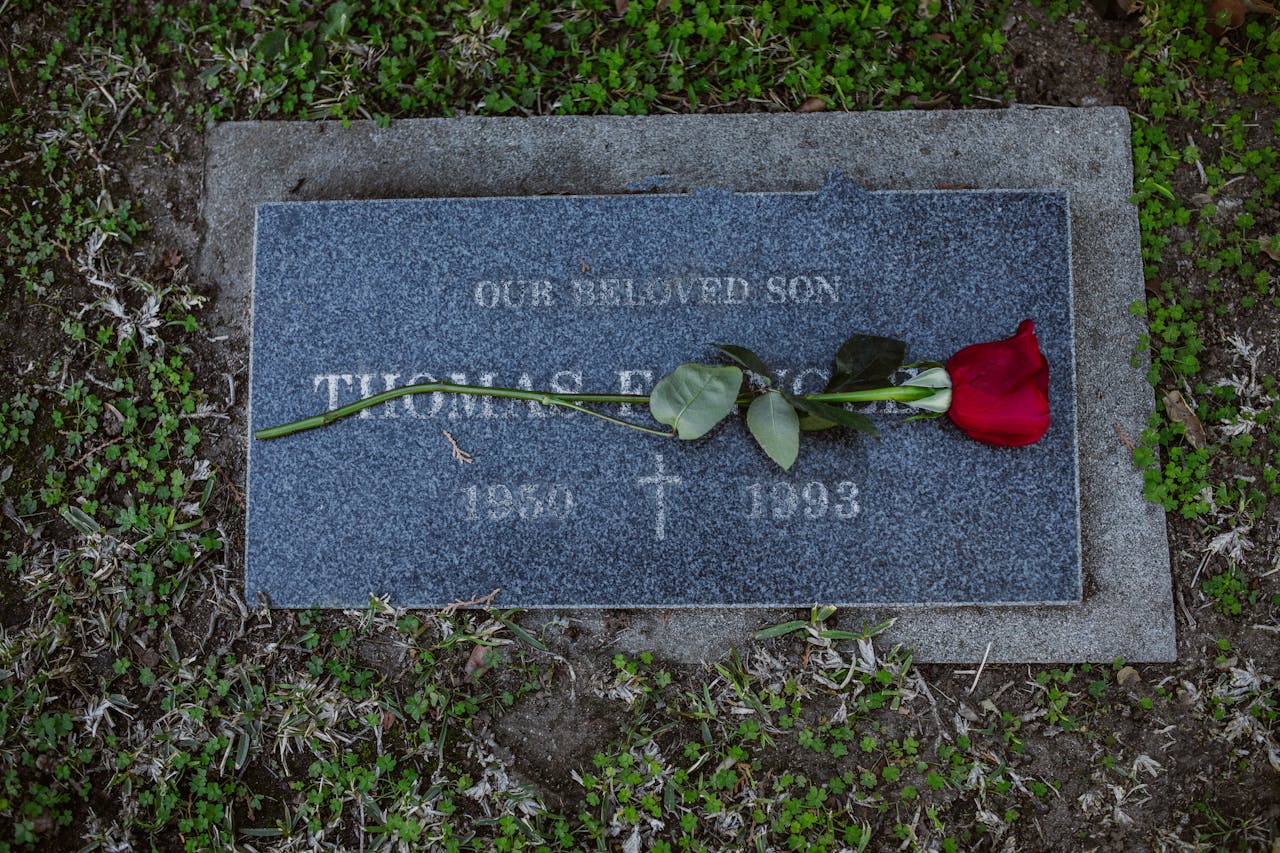
Losing someone you care about is one of life’s most difficult experiences. Grief can feel overwhelming, confusing, and deeply personal. There is no right or wrong way to respond to loss, and everyone’s journey through grief looks a little bit different. While the pain may feel heavy at first, finding gentle ways to cope can help you to move forward slowly. But it starts with allowing yourself to grief.
Grief is a very natural response to loss. It can bring you a mix of emotions, including sadness, anger, disbelief, guilt, or even moments of numbness. Grief can also surprisingly bring you joy because it’s love sprinkled everywhere. Some days can feel manageable, while others may feel much harder. It’s very important that you give yourself permission to fill whatever emotions arise at this stage. Trying to ignore or suppress the grief can make the healing process way more difficult. When you allow yourself to cry, reflect, or simply sit with your feelings, you’ll be able to start coping. Grief doesn’t have a timeline. Some people begin to feel more stable after a few months, but others it may take years to adjust to life after a loss.
Accepting support from others during this time is so important, but that doesn’t make it easy. Support from your friends and family can make a meaningful difference to you because even the smallest gestures, like a phone call or a shared meal, can provide you comfort. It can be really helpful to talk about your memories of the person who has passed away. Sharing stories keeps their memory alive and allows others to understand what they meant to you. If you do find it difficult to speak about your feelings with those closest to you, you could consider speaking with a counsellor or joining a grief support group. Many people find comfort in connecting with others who are experiencing similar emotions.
You’d be surprised to hear this, but often the Funeral services that you choose when navigating practical arrangements can organise for you to get in contact with a grief group after a loss. There are often many practical matters that need attention, including speaking to a funeral director who can help to assist you with those details. They’ll be able to organise services and manage arrangements during an incredibly difficult time for you, and the arrangements can feel very overwhelming, especially when the emotions are still raw. Their role is to support families and ensure that the process is handled with respect and care.
Having somebody to guide these steps for you can ease some of the pressure which allows you to focus on remembering and honouring your loved one. But you can only do any of this when you take care of yourself. Grief can affect both physical and emotional well-being. Many people notice changes in their sleep, appetite or energy levels after a loss, and while it can feel difficult, smaller acts of self-care can support your body and your mind. It’s important to try to maintain simple routines, such as eating regular meals and getting enough rest. Gentle activities like walking or journaling can also help to release some of that emotional weight. Taking care of yourself is not selfish, it’s an important part of healing.



No Comments