
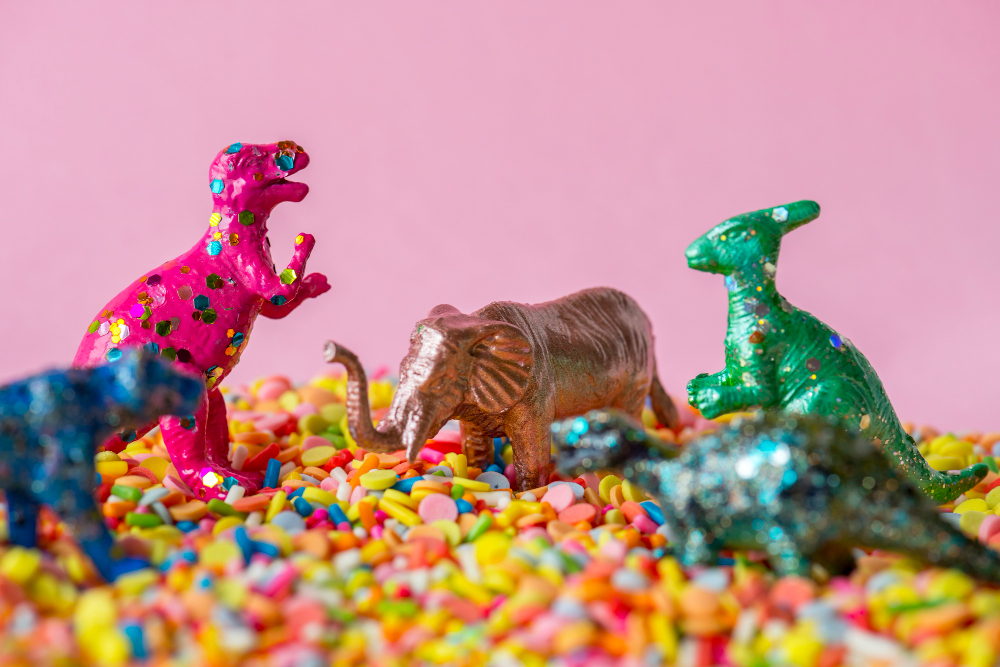
Every child knows the joy of playing with plastic toy figurines, and older folks can smile at their fond memories of doing the same in their youth. You can find a figurine of just about anything, from barnyard animals to jungle beasts, dinosaurs to alien monsters, soldiers to super-heroes, cars, trucks, airplanes, rockets to the Moon- the possibilities are nearly endless!
Sparking Imagination and Adventure
Toy plastic figurines are a wonderful way to stimulate the imagination, and children will spend hours moving them about the furniture or out in the garden, they are the performers in epic tales of adventure, and there are always new tales to be told! Now you might wonder, where did your herd of charming toy Schleich horses come from? How were they made? Let’s learn a little bit about how these delightful toys are manufactured!
Designing the Figurines
It all begins with the designers that toy companies hire to create new figurines. They start with a brainstorming session, then make rough sketches of the possible toys they have dreamed up. Next, they need to decide on the size, colours, facial expressions, and poses.
From Sketch to Prototype
The next step used to be to fashion a clay model of the toy, but nowadays software is used to create a 3D digital depiction of the product, then a 3D printer produces a wax model from that. The toy-making engineers will then determine if the toy should be manufactured in just one piece or in several. Each part will be made into a silicone mould from which prototype hard plastic copies can be made. That prototype is then sent to the art department where the dyes that will give the toy colour are chosen, and any last-minute adjustments are made before they finalize the design.
Creating the Production Mould
The approved prototype is then used to fashion the actual production mould, which is made from metal. The metal mould is now placed in an injection moulding machine. Plastic pellets are added to the machine to be melted. These pellets are mixed with the desired colour of dye at high temperatures until a thick paste is formed. The machine now injects the hot molten plastic paste into the mould’s cavities, which must be completely filled. The mod and the plastic it contains are given time to cool, a process that makes the plastic harden. The resulting solid plastic toy is then carefully ejected from the mould. At this point, the plastic is still a bit soft, so the toy must be allowed to harden further. This is accomplished by plunging it into cold water until it is completely rigid.
Adding the Final Touches
Every finished plastic piece is now tested for quality. Some toys are sold as is with just one solid colour, but others are sent to the art department to be hand-painted or airbrushed. Toy leopards get their spots, cows get their black or white markings, and dinosaurs are painted in whatever wild colours and patterns the artists decide upon since we don’t know what colours they really used to be!
Finally, the toy plastic figurines are packaged up for sale and distributed to the stores where eager kids can buy them to populate their personal imaginary worlds!
Featured image: Freepik



No Comments