
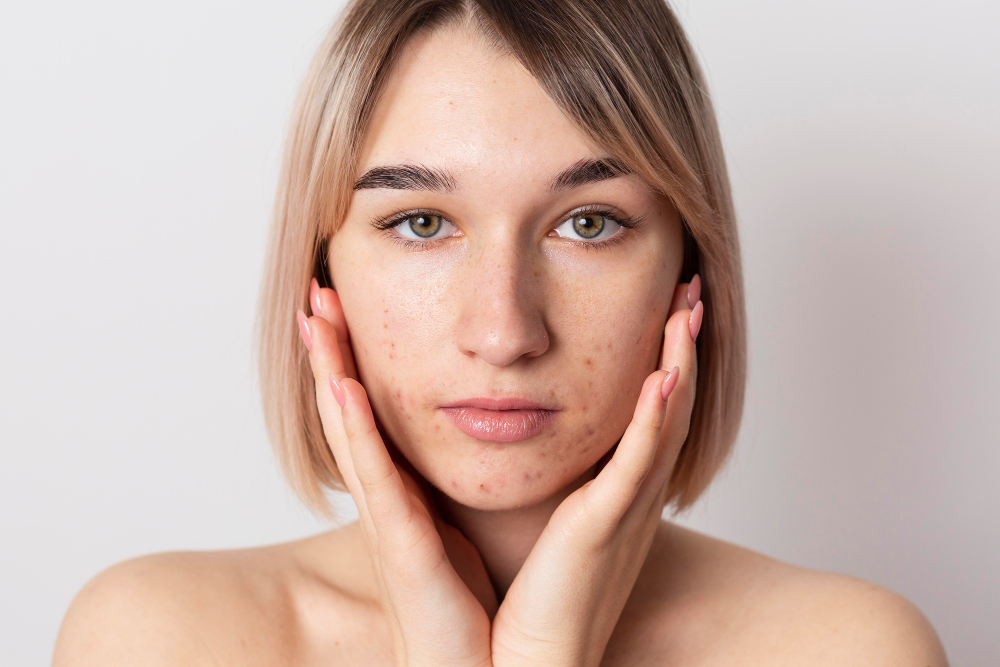
Waking up to a new pimple is frustrating enough, but what’s even worse? The scar it leaves behind. Acne scars can stick around for months or even years, making skin look uneven and damaged long after breakouts are gone. But here’s the good news—just because you have acne scars now doesn’t mean you’re stuck with them forever. There are plenty of ways to help your skin heal and look smoother over time.
If you’ve been wondering how to fade acne scars and get clearer skin, you’re in the right place. Let’s break it all down in a simple, no-nonsense way.
Why Do Acne Scars Happen?
Before we talk about fixing them, it helps to understand why acne scars form in the first place. When you get a pimple, your skin becomes inflamed. If the inflammation goes deep, it can damage the skin tissue underneath. Your body tries to heal the damage by producing collagen, but sometimes it makes too much or too little. That’s how scars form.
There are two main types of acne scars:
- Depressed scars (like ice pick or boxcar scars) happen when the skin doesn’t produce enough collagen during healing. This leaves small dents or holes in the skin.
- Raised scars (like hypertrophic scars) happen when the skin makes too much collagen, leading to bumpy areas.
The good news? There are ways to improve both.
What Actually Works for Acne Scars?
A lot of skincare products claim to erase acne scars overnight, but let’s be real—that’s not how skin works. Fading scars takes time and the right approach. Here’s what actually helps:
- TCA Cross for Deep Scars
If you have deep, pitted acne scars, one of the most effective treatments is TCA Cross. This method uses a strong acid (trichloroacetic acid) to encourage new collagen growth in deep scars. It helps fill them in over time, making skin look smoother. TCA Cross is usually done by a dermatologist and requires a few treatments, but it’s one of the best options for tough scars that won’t fade on their own.
- Microneedling for Skin Texture
Microneedling is another great option, especially for mild to moderate acne scars. This treatment involves tiny needles that create micro-injuries in the skin, triggering collagen production. Over time, this helps smooth out scars and improve overall skin texture. The best part? It works on all skin types and has minimal downtime.
- Chemical Peels to Speed Up Healing
Chemical peels remove the top layer of skin, helping to fade scars and improve skin tone. Light peels with ingredients like glycolic or lactic acid can help with discoloration, while stronger peels (like TCA peels) can target deeper scars. If you go for a stronger peel, it’s best to have it done by a professional.
- Retinoids for Gradual Improvement
Retinoids (like retinol or prescription tretinoin) speed up cell turnover, which helps fade scars over time. They also boost collagen production, making them a great option for improving skin texture. If you’re using retinoids, be patient—it can take months to see a big difference, but they work well when used consistently.
- Laser Treatments for Stubborn Scars
For scars that don’t respond to other treatments, laser therapy can be a game-changer. Different types of lasers target different issues—some resurface the skin, while others help with redness and discoloration. Laser treatments can be pricey, but they’re effective for deeper scars that won’t fade with creams or peels.
What You Can Do at Home
Not everyone wants to jump straight into professional treatments, and that’s totally fine. There are plenty of things you can do at home to help your skin heal:
- Use sunscreen every day. Scars darken when exposed to the sun, making them harder to fade. A good SPF 30+ sunscreen prevents this.
- Try vitamin C serums. Vitamin C brightens skin and helps fade dark spots left behind by acne.
- Exfoliate gently. Products with AHAs or BHAs (like glycolic or salicylic acid) help remove dead skin cells and speed up skin renewal.
- Stay hydrated and eat well. Your skin heals best when you’re drinking enough water and eating nutrient-rich foods.
These won’t make scars disappear overnight, but they’ll help your skin heal faster and look healthier over time.
How Long Does It Take to See Results?
One of the most frustrating things about acne scars is how slow they are to fade. It depends on the type of scar and the treatment you’re using, but here’s a general idea:
- Dark spots (post-inflammatory hyperpigmentation): A few months to a year with the right skincare.
- Mild scars: 3–6 months with treatments like retinoids or chemical peels.
- Deep scars: 6 months to a year (or longer) with professional treatments like TCA Cross, microneedling, or laser therapy.
The key is consistency. Skin takes time to heal, but if you stick with the right treatments, you’ll see improvement.
The Bottom Line
Acne scars might feel like they’re going to last forever, but they don’t have to. There are real, science-backed ways to help your skin heal—whether it’s using treatments like TCA Cross, microneedling, and chemical peels, or taking simple steps like wearing sunscreen and using good skincare products.
The most important thing? Don’t get discouraged. Skin takes time to recover, but with the right approach, you can see real improvement. Keep going, take care of your skin, and know that you’re not alone in this—so many people deal with acne scars, and plenty have found ways to make them fade.
So start today. Your future skin will thank you.


No Comments