
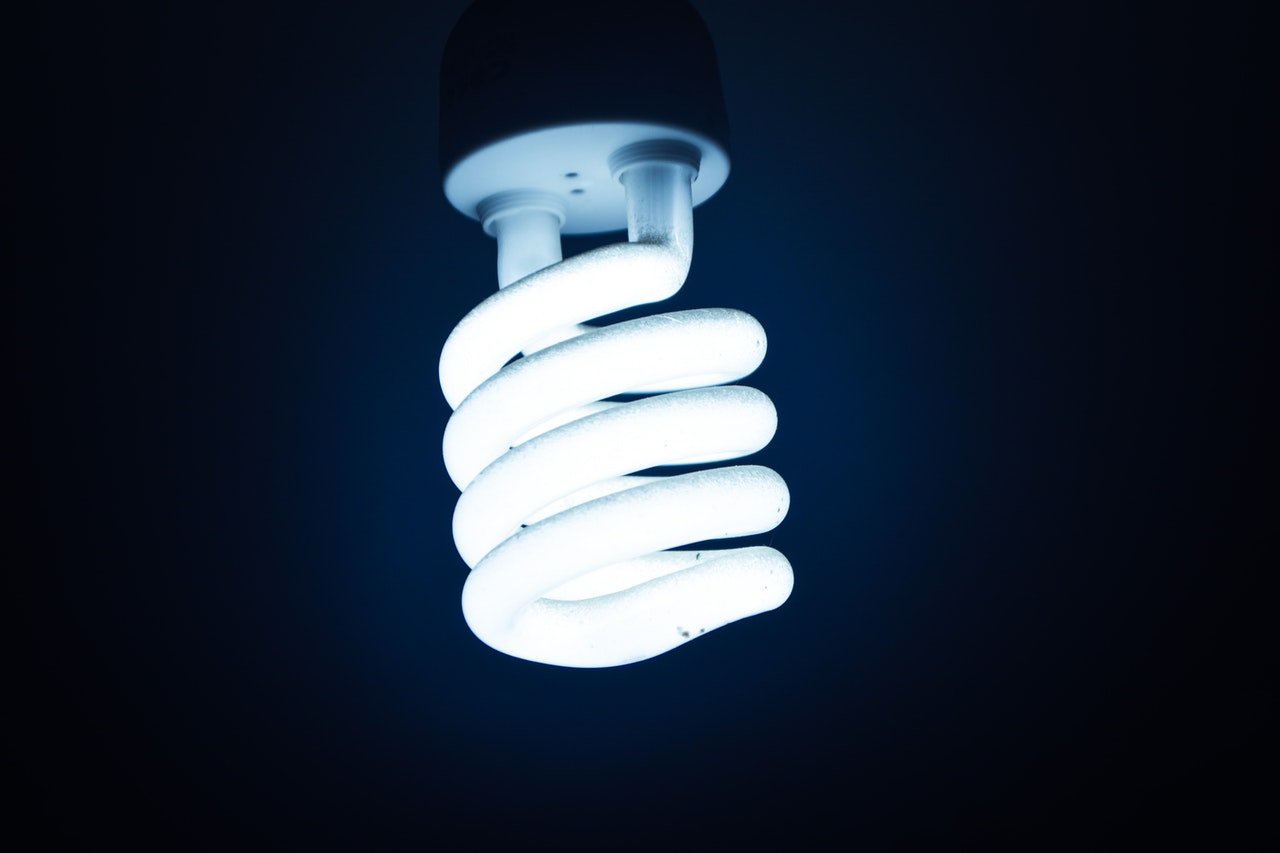
By now, most of the world is well aware of the fact that LED lights are a significantly more energy-efficient choice, as compared to CFL or incandescent lights. However, if you have already designed or redesigned your home with CFL lights built into the theme of the décor, making that shift can be a tough decision, not to mention an expensive one as well.
That being said, there are ways to minimise the expense and maximise the aesthetic effects, and we will discuss a few essential tips to make it happen for you.
Know the Basics to Make the Replacement Project Successful
It is advised that you use a professional interior decorator and an electrician to plan and execute the CFL replacement project. Nevertheless, you should also know about at least a few basics regarding light selection. Consider the following factors as mentioned next to make more informed choices.
- Wattage and brightness cannot be interlinked in the case of LED lights, as we are used to with incandescent bulbs
- Brightness is measured in lumens, and that’s what you should be basing your decisions on when choosing LED lights
- Kelvin is what decides the light’s temperature (warm or cold hues), so take note of the K marking as well
- Unlike CFL, LED is not particularly good at producing a surround light effect, which is why they require an appropriate glass/fibre/plastic
- Take note of the covering, as that will play a big role in how the light appears in your home
- You will most likely need E14 bulb replacements if you don’t want to change the fixtures
If you wish to cut out a major expense from your CFL replacement project, stick to LED lights that can fit your existing E14 bulb fixtures without any issues. Plus you can find the same socket in different types of shapes, sizes, temperature, and brightness you may need. If you have doubts about which bulb to choose, you can consult a specialist company as Any-Lamp via online live chat sessions, email, or phone call to make sure you don’t end up with the wrong product.
Understanding the Wattage to Lumen Chart
LEDs require a lot less power, aka wattage, to produce light, as compared to both incandescent and CFL bulbs. This makes it very difficult for the average consumer to choose correct replacement lights for their home. Go through the following chart to know the level of brightness to expect from your new LED lights, based on their lumen markings.
- 40-watt incandescent bulb = Roughly 450-lumens with a wattage of 6W/9W approx. for LED/CFL lights
- 60-watt incandescent bulb = Roughly 800-lumens with a wattage of 12W/14W approx. for LED/CFL lights
- 75-watt incandescent bulb = Roughly 1100-lumens with a wattage of 17W/21W approx. for LED/CFL lights
- 100-watt incandescent bulb = Roughly 1600-lumens with a wattage of 22W/28W approx. for LED/CFL lights
- 150-watt incandescent bulb = Roughly 2600-lumens with a wattage of 36W/40W approx. for LED/CFL lights
Combined with the significantly longer life of LED lights, this chart above should make it quite obvious that we stand to save a good deal of money in the long run by shifting to LED lights. More importantly, now you will know which LED lights will be appropriate for which section of your indoor or outdoor lighting fixtures.
Note that eventually, you will have no other option than to make a shift to LED because CFL manufacturing is being phased out in 2020. Over the course of a year or two, finding replacement CFL bulbs will no longer be an option. Therefore, it’s best to start making that shift slowly from now on, so that by the time CFL completely goes out of production, your home’s internal and external décor will already be lit with carefully planned LED lighting.



No Comments