
Switching to solar energy has become more appealing, thanks to rising energy costs, environmental awareness, and advances in technology. Solar panels have quickly become a must-have among homeowners that are looking to future-proof their property. Not only can they reduce carbon emissions, but they can also save you a considerable amount in energy bills over time. If you’re considering solar panel installation as a viable solution, then in this blog we will look at some of the things you should know before taking the leap into sunshine-powered living.
Why Are Solar Panels Worth an Investment?
Solar panels offer more than just environmental benefits, they’re also an investment. Although there may be initial costs involved, government incentives and schemes, like the Smart Export Guarantee (SEG) in the UK, allow homeowners to make money from selling excess electricity back to the grid. Once their system pays for itself, typically within 6 to 10 years, homeowners can enjoy free renewable energy for decades to come. Also, homes that are equipped with solar panels tend to draw higher property values. Buyers increasingly favour properties that have sustainable features that include solar panels as a selling point. Simply put, your solar panels represent an investment that yields multiple returns.
Understanding the Installation Process
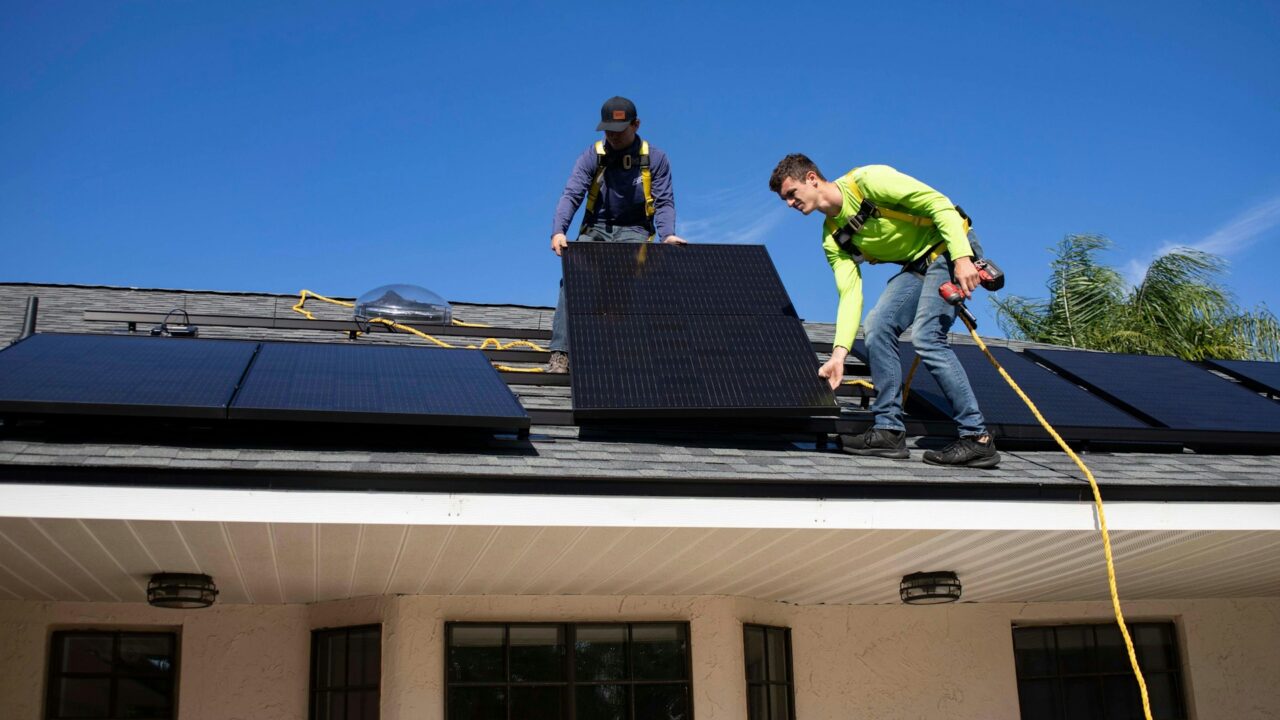
Installing solar panels involves more than simply placing them on your roof. It requires planning, care, and consideration at every stage. The process starts by evaluating your property for suitability. South-facing roofs with minimal shading are normally the gold standard for better sunlight exposure and energy efficiency. After choosing your panels and an appropriate inverter, a certified electrician works or installation team works to ensure proper positioning and safe fitting of the system. Choose an installation provider with warranties up to 25 years, preferably one known for providing excellent and dependable customer service. Also consider your location, as you may require planning permission if installing in listed buildings or conservation areas.
Solar Savings and Sustainability
One of the main draws to switching to solar is financial savings. An average household can expect to save hundreds on its annual energy bill depending on usage and local sunlight levels. And the panels are virtually maintenance-free, requiring only occasional cleanings or inspections for better performance. Not only are there financial benefits from going solar, but it’s also good news for the planet, as less fossil fuel is used, leading to reduced greenhouse gas emissions.
Common Concerns
Many are careful about investing in solar panels because of misconceptions and myths surrounding them. Contrary to popular belief, even notoriously cloudy weather shouldn’t be seen as an impediment, as solar panels still generate energy using daylight rather than direct sunlight as an energy source. Installation cost may seem like a lot at first, but financing options and government incentives can make the initial expenses easier to bear and compare favourably against rising traditional energy costs. Solar panels quickly prove their worth.
Conclusion
Solar panels represent an exciting blend of practicality and sustainability, providing environmental advantages, financial savings, and increased property values. Solar power provides a cleaner energy solution while giving homeowners energy independence. For those willing to make the switch, solar energy shows that its future looks promising indeed.
Photo by Raze Solar on Unsplash



No Comments