
Discovering the art of garden landscaping and creating a space that fits your quality of life desires, while creating a gorgeous exterior for your home, can be truly fulfilling. However, if you’re not aware of the potential issues that can affect it, you can have some bad surprises coming your way. Here are some of those you should be mindful of, and what you can do to head them off.
Poor Drainage And Waterlogging
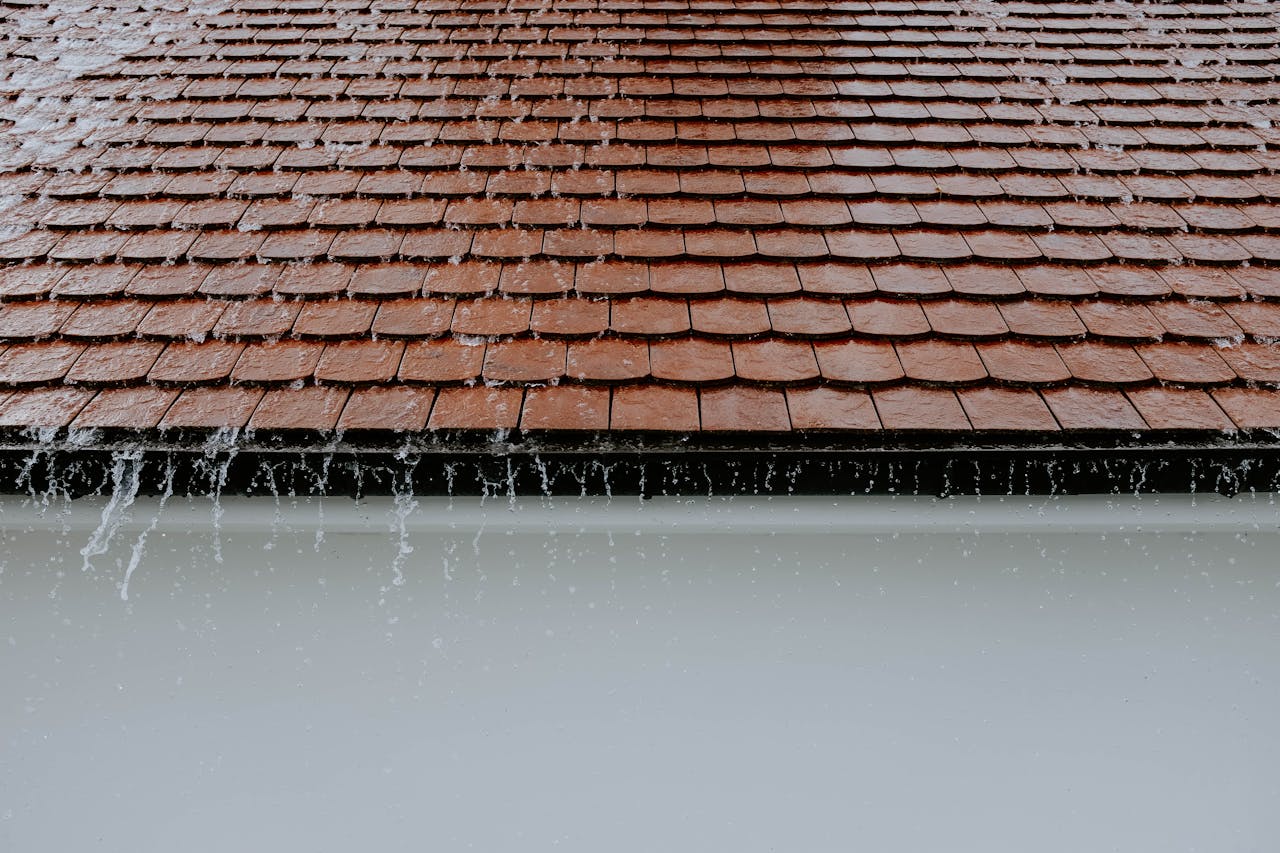
Even the most carefully designed garden can suffer from drainage problems. When water pools in your garden beds or lawns, it becomes much harder for plants to get oxygen, causing rot, fungal issues, and general decline of your soil’s quality over time. Excess moisture can even lead to problems with paving, timber, and other materials. Installing drainage channels or French chains and choosing permeable hardscaping materials for more moisture-prone gardens can prevent moisture from undermining your garden from beneath. Redirecting runoff away from structures and planting areas protects both plant health and structural features.
Soil Erosion And Ground Instability
While it isn’t the only cause, poor drainage can lead to soil erosion. Heavy rain, harsh winds, and soil compaction due to foot traffic can lead to erosion over time, which can make the ground unstable. This can cause any fixtures supported by that soil to crumble over time. Pathways can shift, and the ground can become uneven. Retaining walls offer a great way to stabilise the garden, holding soil in place while also controlling water runoff. When combined with good drainage and proper cover planting (to prevent bare soil from being exposed to elements), it can preserve the integrity of your ground for much longer.
Invasive Plant Roots And Overgrowth
Plants may make your garden as lively as it is, but when they’re not controlled, they can do a lot of damage. Certain species have aggressive root systems, which can affect your paving, undermine retaining structures, and even affect your underground pipes or your home’s foundation. Choose plants that are well-suited to your space and keep trees and shrubs away from structures and pathways. If you’re planting a lot of deep-growing plants, then consider installing tree root barriers to prevent the damage they can potentially do, as well.
Degrading Hardscape Materials
As solid as they might seem, your hardscaping features like paving, decking, and garden walls will degrade over time. Being constantly outside makes them susceptible to sun exposure, temperature fluctuations, rain, wind, and much more, which can cause cracks, warps, or rot. Choosing durable materials can help, but you need to keep an eye on them and be aware of what treatments different surfaces need to help extend their lifespans. Routine inspections and timely repairs or replacements can ensure that any existing damage isn’t allowed to grow to become more compromising.
Your garden needs more than just routine maintenance; it needs an eye on long-term care, as well. Hopefully, the tips above point you in the right direction to give it the protection and investment it requires.
No Comments