
Choosing the right shingle type for your roof is about more than just aesthetics and budget. Your climate is critical in determining which type of shingles will best protect your home or commercial building. With the wrong choice, you may face premature wear, increased maintenance, or even a full roof replacement sooner than expected.
So, in this article, we will walk you through various types of shingles, how they hold up in different climates, and what factors to consider when choosing the best option for your specific location. By the end of this guide, you’ll know how to select the right shingles for long-lasting performance and protection in any climate.
Let’s get started!
Climate-Specific Shingles: Which One is Right for Your Home?
There are various types of shingles on the market, and each performs differently under certain weather conditions.
1. Architectural Shingles
Architectural shingles—also known as dimensional or laminated shingles—are a more durable and aesthetically pleasing option. They are a popular choice for homeowners in areas with extreme weather conditions. These are built to last around 30 years. Their thicker, multi-layered design allows them to withstand wind speeds up to 130 mph, making them an excellent option for regions prone to storms or high winds.
Additionally, architectural shingles provide better protection against UV rays, helping to prevent damage and extend the life of the roof, particularly in hot climates. If you’re looking for a roofing solution that balances durability and visual appeal, architectural shingles offer long-term value and superior performance.
2. Metal Shingles
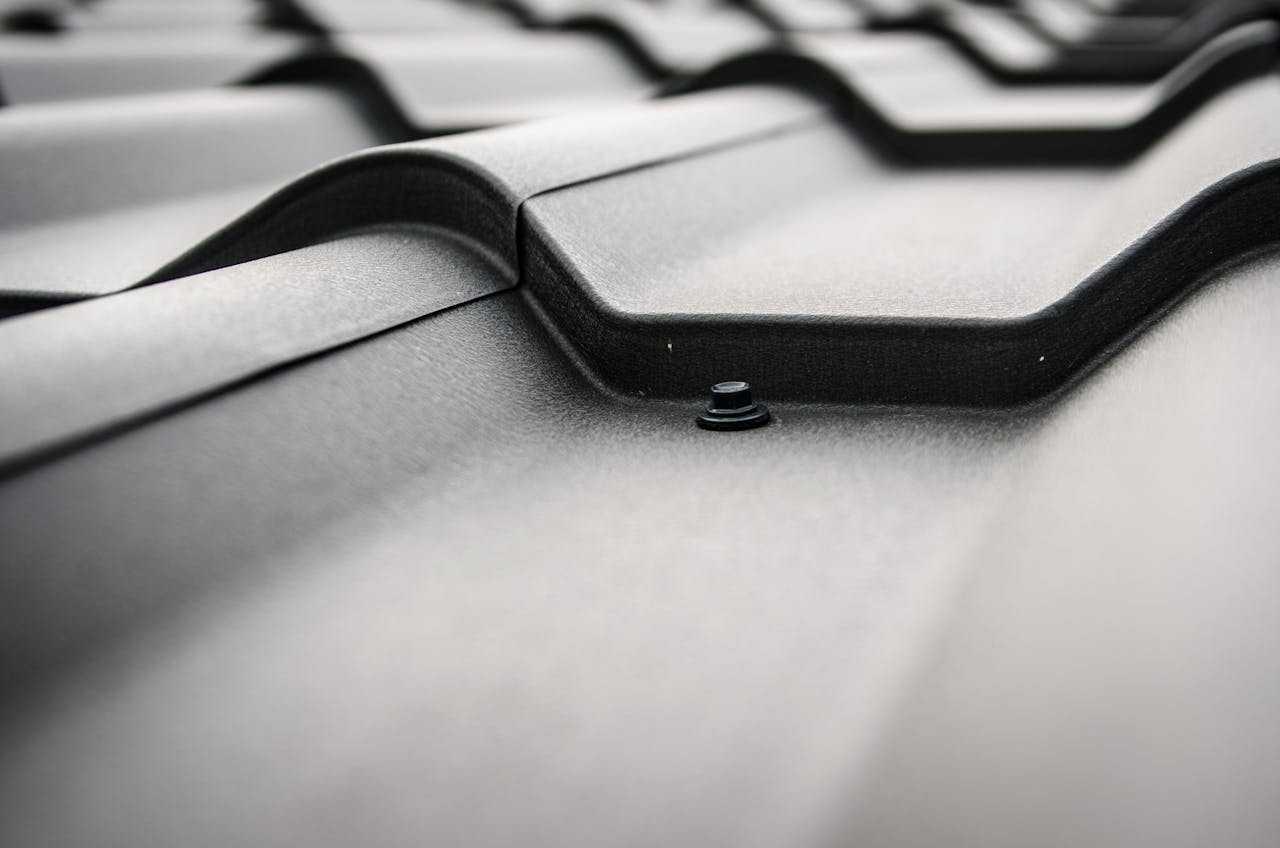
This shingle type, metal shingles, is known for its durability and longevity. Made from materials like aluminum or steel, metal shingles are excellent for homes and buildings located in regions with extreme weather. They are resistant to hail, heavy snow, and high winds. Additionally, metal shingles have reflective properties that help reduce heat absorption, making them an energy-efficient option in hot climates.
According to Campbell Roofing, metal shingles are ideal for cold regions that experience heavy snowfall, as they easily shed snow and ice, reducing the risk of roof collapse. They also perform well in areas prone to wildfires due to their fire-resistant properties. While they tend to be more expensive upfront than asphalt shingles, their long lifespan and superior weather resistance make them a worthwhile investment for homeowners looking for long-term protection.
3. 3-Tab Shingles
This shingle type is one of the most common and affordable among others. They are flat and have a uniform shape, making them easy to install. These shingles are typically designed to last about 20 years, making them an ideal option for homeowners on a budget or those in milder climates.
In terms of weather performance, 3-tab shingles work well in areas that experience stable weather patterns without extreme fluctuations in temperature or high winds. However, they are not the best choice for regions that experience frequent storms, heavy snow, or strong winds. Their lower wind resistance can make them vulnerable to blow-offs during hurricanes or severe storms, so they are more commonly used in areas with calm weather conditions.
4. Tile Shingles
Tile shingles are often associated with homes in warm, dry climates due to their ability to withstand intense heat. These shingles are typically made from clay or concrete, materials that naturally resist fire and help keep homes cool by insulating against the heat. Tile shingles are popular in areas like the Southwest, where temperatures can soar during the summer.
Tile shingles are highly durable and can last for decades, often exceeding 50 years with proper maintenance. However, they are not as ideal for areas with frequent freezing temperatures or heavy snow, as the weight of the tiles can add strain to the roof structure. That said, tile shingles are among the best options for heat-resistant roofing in dry, hot climates, and they offer a unique aesthetic appeal that complements homes in those regions.
NOTE: It’s important to consult with a professional. A qualified roofer can assess your home’s specific needs and help you choose the best option based on factors like climate, budget, and the desired lifespan of your roof.
Things to Consider When Buying Shingles
These are some things you should verify:-
- Check Durability: Look for shingles with a longer lifespan, like architectural shingles, which typically last 30 years or more.
- Wind Resistance Rating: If you live in a storm-prone area, opt for shingles with high wind resistance, ideally rated for up to 130 mph.
- Energy Efficiency: Consider shingles with reflective properties to reduce heat absorption and lower energy costs in warmer climates.
- Warranty Coverage: Ensure the shingles come with a strong manufacturer’s warranty, covering at least 20 to 30 years for peace of mind.
Wrapping Up
We hope you now know which shingle type suits your home best. So, why wait? Save funds and hire expert roofers to assess your home and install the right shingles for your climate. While it may seem costly upfront, you’ll appreciate the long-term savings and protection it provides in the future.
Photo by Pixabay
No Comments