

Living in a rural home brings serenity and an intimate connection to nature, but modern advancements like smart switches can greatly enhance your lifestyle while encouraging efficient and sustainable living. When you integrate smart technologies such as off-grid solar power or composting systems into your lifestyle plan, you can build a home that’s not only eco-friendly but also future-ready.
Bringing Automation to the Countryside with Smart Switches
Smart switches offer an innovative solution for adding convenience and energy efficiency into any home, even rural ones. Devices designed to control home lighting, appliances, and electronics with voice-activated assistants allow you to save time and energy by providing convenient control from anywhere in your home. Smart switches make sure that every watt counts for alternative energy homes such as those using solar. Smart switch installations are surprisingly straightforward and require only basic electrical knowledge for installation. Once in place, these switches change rural living by filling the gap between modern convenience and traditional lifestyles.
Power Your Home with Off-Grid Solar Systems
Rural homes often demand self-sufficiency, making off grid solar systems the perfect way to provide them with electricity for daily needs and store any surplus in batteries for later consumption. Integrating smart technologies such as switches and energy monitoring apps into your off-grid solar setup can make your power usage better and help expand its reserves even further. Smart systems can prioritize appliances, giving energy-intensive devices access during peak production hours while limiting draw during low sunlight periods. This combination of renewable energy and smart technology makes living off-grid not only feasible but highly efficient.
The Role of Sustainable Practices Like Composting
Sustainability doesn’t stop with electricity. Composting is also an excellent way to incorporate eco-friendly living practices into rural living spaces. Composting takes organic waste such as kitchen scraps and garden debris and turns it into nutrient-rich fertilizer for your soil, helping your garden or farmland grow naturally. Composting reduces waste while making an environmental statement about sustainability. Combining composting with smart gardening tools such as soil moisture sensors can change rural living with precision agriculture methods. Composting provides raw materials, while smart tech makes sure that the soil and plants get what they need for growth, creating a balanced ecosystem.
Benefits of Smart Switches in Rural Living
Smart switches combined with sustainable technologies play a big part in providing rural living comfort without compromising eco-consciousness. By cutting unnecessary energy use (even when powered entirely by solar), they increase kilowatt-hour usage to their maximum. Their connectivity options also enable remote access and control of your home, making them especially helpful for rural homeowners who must oversee farmland or property from a distance.
Conclusion
Modernizing a rural home doesn’t have to mean sacrificing its simplicity. It involves adding sustainable systems such as solar energy and composting for better living in harmony with nature. Smart solutions enhance comfort while also lowering costs and your environmental footprint. Rural living becomes an example of sustainable development thanks to investments made into smart home technologies and eco-friendly practices. Proof that tech can coexist beautifully alongside traditional rural living.
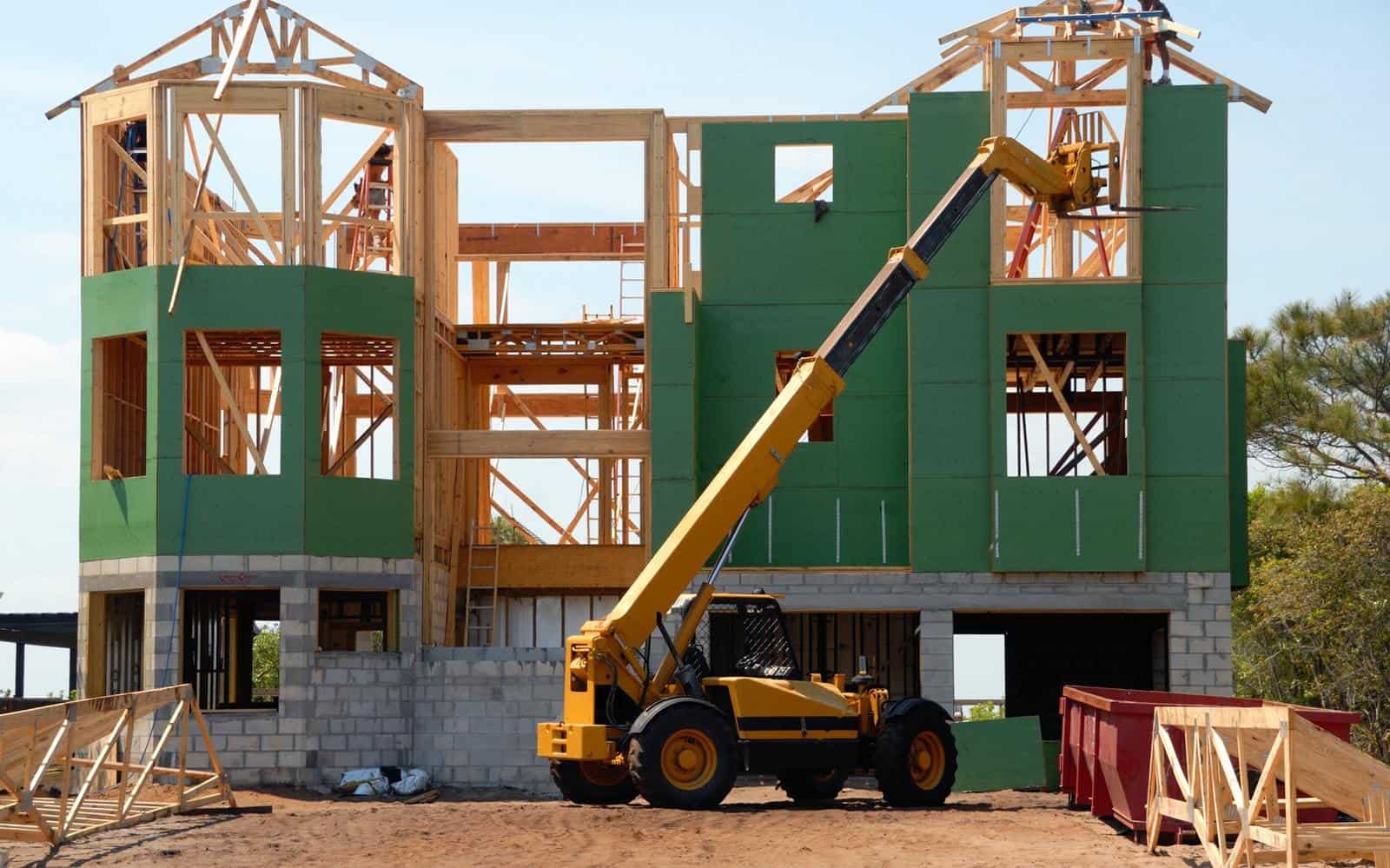
Photo by Nathan Anderson on Unsplash


No Comments