
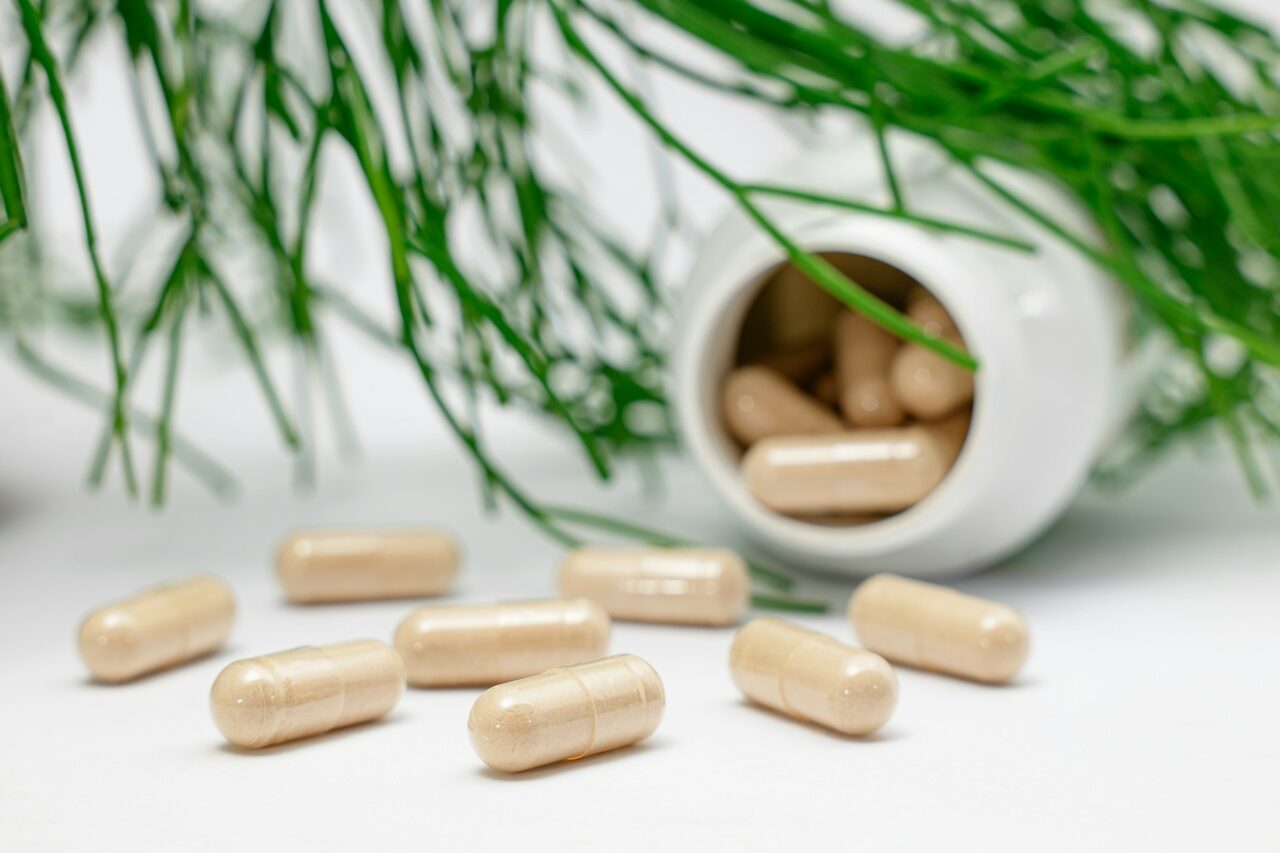
Tongkat Ali has gained steady attention in the UK wellness sector, often discussed in relation to energy, vitality, and hormonal balance. As interest increases, so does the volume of information, not all of it equally reliable. Understanding where credible evidence ends and marketing-driven claims begin is essential for anyone considering Tongkat Ali supplements as part of a responsible wellbeing routine.
This article examines what Tongkat Ali is, what current research suggests, and which claims warrant more cautious interpretation.
Understanding Tongkat Ali in Context
Tongkat Ali is a herbal extract derived from the root of Eurycoma longifolia, a plant traditionally used in Southeast Asia. Historically, it has been associated with overall vitality and resilience rather than with specific medical outcomes. Modern supplements concentrate specific compounds from the root into capsule form, making consistent intake more practical.
While its traditional use is well established, growing scientific interest is beginning to highlight potential benefits supported by early research. Alongside this historical context, modern wellness decisions are best informed by contemporary evidence, quality standards, and regulatory awareness.
What the Evidence Currently Supports
Scientific research into Tongkat Ali has been developing for more than two decades, with a substantial body of studies contributing to its understanding. Supported by over 25 years of use in the UK, this research helps explain why Tongkat Ali continues to be widely discussed within modern wellness circles.
Stress and Cortisol Balance
Some human studies suggest Tongkat Ali may help support healthy cortisol levels. Cortisol is a hormone involved in the body’s stress response, and balanced levels are important for mood, sleep, and energy regulation. Research indicates that moderate daily supplementation may reduce perceived stress among certain adults when combined with healthy lifestyle habits.
Importantly, these findings relate to general stress support rather than treatment of anxiety or stress-related disorders.
Energy and Fatigue Support
There is growing evidence that suggests that Tongkat Ali may support subjective feelings of energy and reduced fatigue. These outcomes are often linked to its adaptogenic properties — meaning it may help the body adapt to physical and mental stressors.
Tongkat Ali is commonly chosen to support sustained energy, stamina, and overall vitality as part of a balanced lifestyle rather than providing an immediate, stimulant-like boost.
Hormonal Health in Adults
One of the most widely discussed areas of research relates to hormonal balance, particularly in adult men. Some controlled studies have observed modest improvements in testosterone levels within normal ranges when Tongkat Ali was taken at appropriate dosages.
This does not mean Tongkat Ali works like a hormone treatment or medicine. Instead, many people use it as a natural supplement that may help the body stay balanced, particularly with energy and hormone levels during stress, ageing or busy phases of life.
Understanding How Tongkat Ali Is Commonly Discussed
Like many well-known botanical ingredients, Tongkat Ali is discussed in a variety of ways across wellness conversations. Taking a clear, balanced view helps place these discussions in context and supports informed understanding based on established use and available research.
Claims of Rapid or Dramatic Effects
Assertions that Tongkat Ali produces immediate or dramatic changes in strength, muscle mass, libido, or performance are not supported by current evidence. Most studies focus on gradual support over weeks rather than rapid outcomes.
Wellbeing supplements typically act subtly, supporting underlying processes rather than producing immediate effects.
Claims of Universal Effectiveness
Individual responses to supplements vary. Genetics, lifestyle, sleep quality, diet, and stress levels all influence outcomes. Claims that Tongkat Ali works “for everyone” overlook these individual differences and should be treated with scepticism.
Tongkat Ali supplements are designed to support general wellbeing and daily vitality as part of a balanced lifestyle. They are not presented as medicines or treatments for specific health conditions, and they are best used alongside healthy habits and professional guidance where needed.
The Importance of Quality and Formulation
When separating evidence from claims, product quality plays a significant role. Research outcomes typically involve standardised extracts used at controlled dosages. Supplements that do not meet similar standards may not deliver comparable results.
Quality considerations include:
- Standardised extracts with consistent active compound levels
- Clear dosage information aligned with the studied ranges
- Clean formulations without unnecessary additives
- Manufacturing under recognised quality standards
When these elements are in place, ingredients supported by emerging evidence are better positioned to deliver meaningful benefits.
Safety and Evidence-Led Use
Current research suggests that Tongkat Ali is generally well tolerated when used within commonly recommended dosage ranges. Most studies use daily doses of 200-400 mg of standardised extract.
However, long-term safety data at higher doses are limited. This reinforces the importance of moderation, label guidance, and professional consultation where appropriate.
Individuals who are pregnant, breastfeeding, managing health conditions, or taking medication should seek medical advice before starting any new supplement.
Why Evidence-Based Perspective Matters
In the UK, wellness content is increasingly expected to align with evidence-led communication. Separating evidence from claims protects consumers from unrealistic expectations and supports informed decision-making.
A balanced perspective also benefits the wider wellness sector by encouraging transparency, responsible formulation, and trust-based engagement rather than exaggerated promises.
Putting Tongkat Ali into a Realistic Wellness Framework
Tongkat Ali supplements may offer supportive benefits for some adults when used responsibly, consistently, and as part of a broader well-being approach. Sleep, nutrition, physical activity, and stress management remain foundational. Supplements work best when they complement, not replace, these core elements.
Approaching Tongkat Ali with curiosity rather than expectation allows individuals to assess its role based on personal experience and credible information.
Conclusion
Separating evidence from claims is essential when considering Tongkat Ali supplements. While emerging research supports its role in stress resilience, energy support, and hormonal balance within normal ranges, exaggerated claims are not supported by current science.
A professional, UK-appropriate approach focuses on moderation, quality, safet,y and realistic expectations. When understood and used responsibly, Tongkat Ali can be viewed as a supportive wellness option rather than a guaranteed solution — and that distinction is key to informed, confident supplementation.
Photo by Supliful – Supplements On Demand on Unsplash



No Comments