
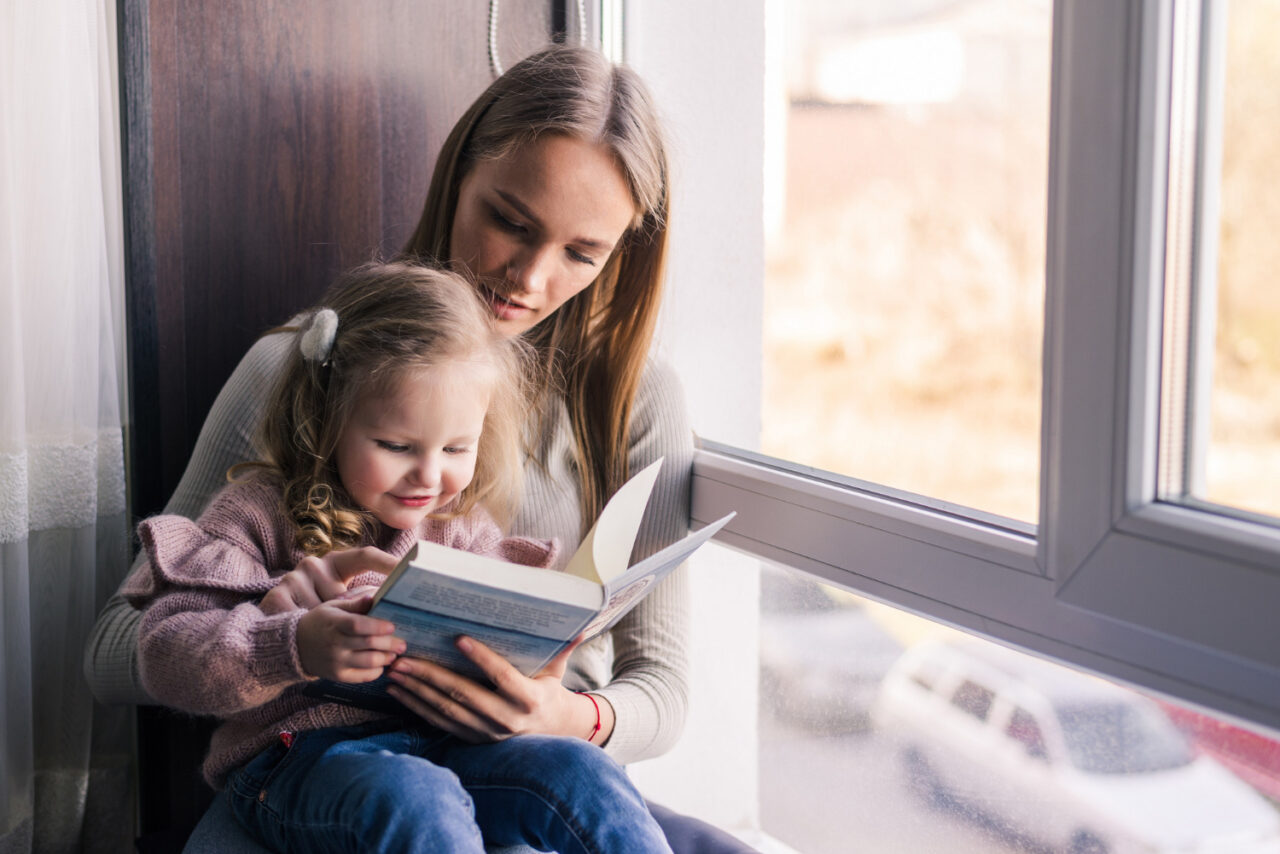
Parenting is one of the most rewarding and challenging roles in life. It brings joy, love, and purpose—but also stress, exhaustion, and self-doubt. In the midst of school runs, sleepless nights, and endless decisions, it’s easy for parents to lose touch with their own emotional well-being. That’s why protecting your mental health as a parent is not a luxury—it’s essential.
Staying grounded means feeling stable, calm, and connected to yourself, even when life feels chaotic. This article explores practical ways parents can protect their mental health and stay emotionally balanced while raising children.
Why Mental Health Matters for Parents
Your mental health affects every part of your parenting—your patience, your energy, your ability to be present. When you feel anxious, depressed, or overwhelmed, it becomes harder to respond to your children with love and calm.
According to the CDC, about 1 in 10 mothers and 1 in 20 fathers experience postpartum depression. But mental health struggles don’t stop after infancy—they can continue throughout parenthood. CDC, 2022
Taking care of yourself helps your child thrive. Kids don’t need perfect parents—they need present, emotionally stable ones.
Signs That You May Need Support
Here are a few signs your mental health may need more attention:
- Constant fatigue, even after rest
- Feeling overwhelmed or emotionally numb
- Irritability or frequent outbursts
- Difficulty focusing or making decisions
- Withdrawal from friends or activities
- Persistent guilt or self-criticism
These feelings are common—and they don’t make you a bad parent. Reaching out for help is a sign of strength, not failure.
Grounding Practices to Protect Your Mental Health
Staying grounded doesn’t require hours of free time or expensive therapy (although both can help). It starts with small, consistent habits that bring you back to the present moment.
1. Start Your Day with Intention
Before the chaos begins, take 5–10 minutes in the morning just for you. Breathe deeply, drink water, stretch, or write down how you want to show up that day—as a calm parent, a kind partner, or simply as someone who’s doing their best.
A 2020 study published in Mindfulness showed that parents who practiced morning mindfulness reported lower levels of parental stress and higher emotional regulation.
2. Use Grounding Techniques During Stressful Moments
When your child is melting down, your nervous system often goes into fight-or-flight mode. Grounding techniques help calm your body and mind so you can respond, not react.
Try this in the moment:
- 5-4-3-2-1 technique: Name 5 things you see, 4 you feel, 3 you hear, 2 you smell, and 1 you taste.
- Deep breathing: Inhale for 4 seconds, hold for 4, exhale for 4.
- Cold splash: Run cool water over your hands or face for a quick reset.
These simple tools bring you back to the present and give your brain time to pause before reacting.
3. Create a Safe Space to Vent
You don’t have to pretend you’re okay all the time. Talk to a partner, friend, therapist, or join a parent support group. Share your worries, your guilt, your frustrations—without fear of judgment.
Connection lowers stress. You’ll likely find that others feel the same.
Research from the Journal of Child and Family Studies shows that social support strongly protects parents from mental health decline, especially during high-stress periods.
4. Protect Your Boundaries
It’s okay to say no. To set limits with your children. To not volunteer for the PTA. To cancel plans if you’re overwhelmed. Protecting your time and energy helps you show up more fully when it matters most.
Ask yourself regularly: “What do I need right now to feel okay?”
Sometimes the answer is sleep. Sometimes it’s space. Sometimes it’s simply permission to not do it all.
5. Model Emotional Regulation
Your kids learn how to handle stress by watching you. When you make mistakes and repair, when you admit you’re struggling, when you pause to breathe—you teach them that emotions are manageable and human.
Try saying:
- “I’m feeling stressed, so I’m going to take a breath.”
- “I’m sorry for yelling. I was overwhelmed, and I’m working on it.”
- “Let’s both take a break and come back to this.”
These small actions build trust and emotional resilience in both of you.
6. Celebrate Small Wins
You got through the day? That’s a win. You stayed calm during a tantrum? Huge win. You took a 10-minute walk after bedtime? Another win.
Don’t wait for perfect. Notice the progress.
Keeping a small journal of daily wins—even just one line a day—can boost self-esteem and lower stress.
When to Seek Professional Help
If your symptoms last more than two weeks or interfere with daily life, it’s time to speak with a mental health professional. Therapy, support groups, or even medication (when needed) can help you feel like yourself again.
Look for therapists who specialize in parental mental health or family systems. Many offer virtual appointments that work around your schedule.
Tips for Single Parents and Caregivers
Single parents face unique pressures. You may have less support, more responsibility, and fewer breaks. Here are a few tips:
- Ask for help—from friends, neighbors, or local parenting groups
- Trade time with other parents (e.g., “You watch my kids this Saturday, I’ll watch yours next”)
- Use community resources, like parenting helplines or family wellness centers
- Forgive yourself daily—no one is doing it perfectly
You are doing the job of two, and that deserves recognition.
Final Thoughts
Parenting and mental health go hand in hand. You can’t give from an empty cup. The more grounded and cared for you are, the more love and stability you can offer your children.
Start with small steps. Breathe. Set a boundary. Reach out. You are not alone—and you are enough.
By caring for your mental health, you’re not only surviving parenting. You’re thriving through it—one breath, one day, one choice at a time.
References
- Centers for Disease Control and Prevention (CDC). (2022). Depression Among Women. https://www.cdc.gov/reproductivehealth/depression/index.htm
- Parent mindfulness study: Laurent, H., et al. (2020). Mindfulness and emotion regulation in parents. Mindfulness
- Taylor, Z. E., Conger, R. D., & Robins, R. W. (2015). Parenting stress and social support: Impacts on mental health. Journal of Child and Family Studies.


No Comments