
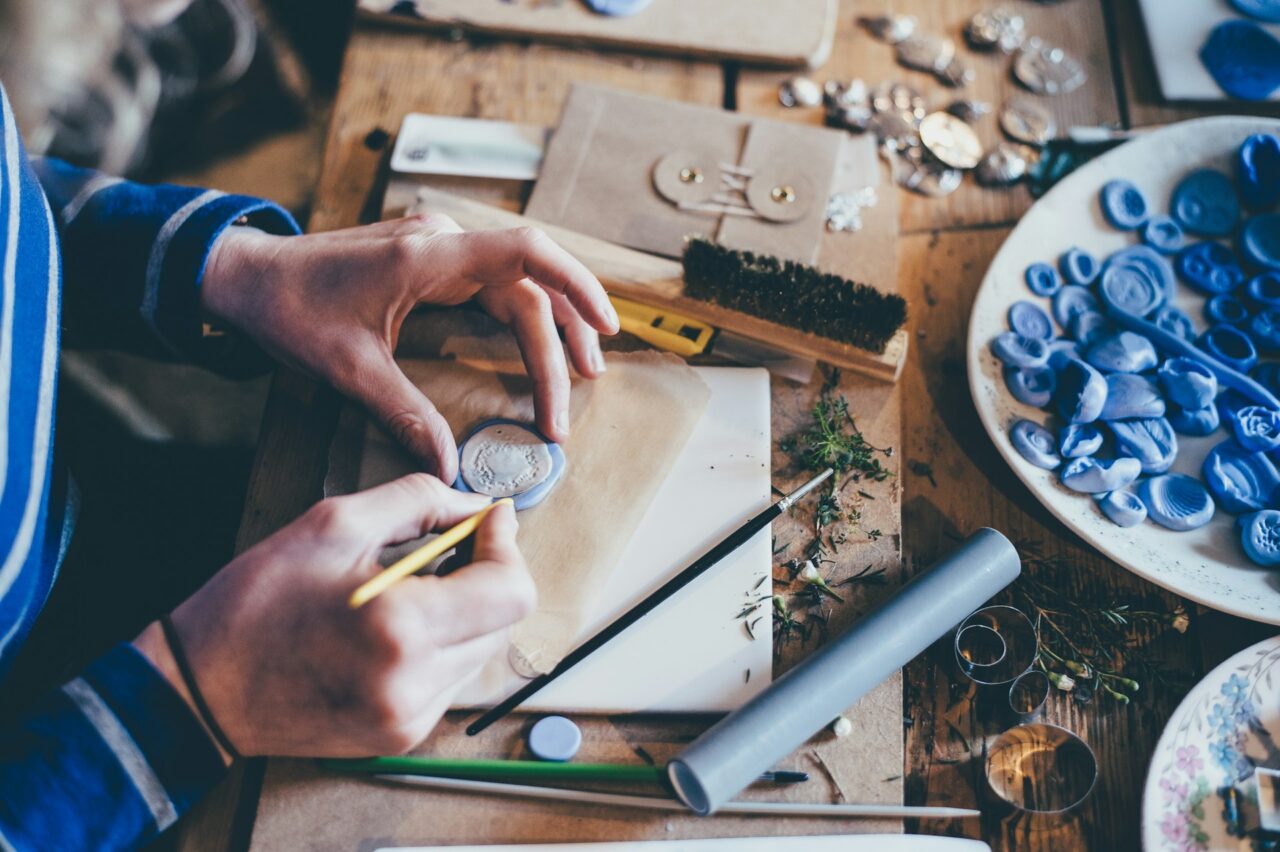
In our always-on, hyper-digital world, slowing down to make something with your hands can feel downright revolutionary. Crafting — whether it’s painting, scrapbooking, crocheting, or card-making — isn’t just a fun hobby anymore. It’s also a powerful tool for improving your mental health.
More and more psychologists are recognizing creative activities as a form of mindfulness, stress relief, and emotional expression. If you’ve been feeling overwhelmed, creatively blocked, or just in need of something nourishing for the soul, crafting might be exactly the therapy you didn’t know you needed.
The Mental Health Benefits of Crafting
Engaging in creative projects has profound psychological benefits. Here’s how crafting supports mental well-being on multiple levels:
- Reduces Stress and Anxiety
The act of focusing on small, repetitive motions — whether knitting a row, cutting paper patterns, or mixing paint — helps calm the mind and lower cortisol levels. It’s an active form of meditation, helping distract you from intrusive thoughts and anxiety triggers.
- Boosts Dopamine and Happiness
Finishing even a small creative project releases dopamine, the brain’s feel-good chemical. This gives you a sense of accomplishment and joy that can lift you out of emotional slumps or seasonal blues.
- Encourages Mindfulness
When you craft, your mind naturally centers in the present moment. Every brushstroke or stitch requires your full attention, gently pulling you away from worries about the future or regrets about the past.
- Builds Confidence and a Sense of Purpose
Completing a handmade piece — whether it’s a piece of wall art or a set of personalized cards — creates a tangible reminder of your ability to learn, create, and bring ideas to life.
- Fosters Social Connection
Crafting doesn’t have to be solitary. Joining a local art class, knitting group, or online creative community can reduce feelings of isolation and help you bond over shared interests.
Types of Crafting for Mental Wellness
The beauty of creative therapy is that there’s no single right approach. Different crafts suit different personalities and emotional needs. Here are a few popular options:
- Journaling and Scrapbooking: Perfect for those who love stories and capturing memories. Combining photos, quotes, and personal reflections can help you process emotions.
- Knitting and Crocheting: The rhythmic, repetitive process is incredibly grounding and can help reduce anxiety.
- Painting or Drawing: Ideal for emotional release, color expression, and reducing tension. You don’t need to be an artist to enjoy the process.
- Paper Crafts and Card Making: Playing with layers, textures, and colors gives a creative jolt while producing something beautiful and shareable. Incorporating die-cut elements using tools like spellbinders dies can make your projects feel polished without requiring professional-level skill.
- Pottery and Clay Work: Great for sensory engagement and stress release through tactile activity.
- DIY Home Decor: Crafting for your living space allows you to blend creativity with self-expression in your everyday environment.
The key is to choose something that feels fun, not forced. Let go of perfectionism and enjoy the playful aspect of making something with your hands.
How to Start Crafting for Mental Health
Starting small is the best approach when building a new creative habit. Even ten minutes a day dedicated to art, stitching, or journaling can make a real difference.
- Pick One Simple Project
If you’re unsure where to begin, start with easy wins like watercolor postcards, beaded bracelets, or handmade bookmarks. Avoid choosing something too complicated that might create frustration.
- Create a Calm, Creative Space
Set up a little nook with good lighting, calming scents, and space for your materials. Having a dedicated space helps signal to your brain that it’s time to unwind and focus creatively.
- Gather the Essentials
Get what you need — markers, fabric, yarn, glue, or crafting dies — but resist the urge to overbuy. You can always expand your toolkit later once you find your preferred craft style.
- Focus on the Process, Not the Product
Crafting for mental health is about how you feel while creating, not necessarily what the final project looks like. Embrace imperfections. Mistakes are often the most creative part of the experience.
- Make It Routine
Schedule a regular “crafting hour” in your week. Over time, this becomes a ritual — a mindful pause to reset and reflect.
- Share or Gift Your Creations
Handmade crafts make heartfelt gifts. Sharing them also boosts connection and gratitude, both powerful forces for emotional well-being.
Turning Crafting into an Ongoing Self-Care Practice
Once you experience the calm and satisfaction that comes from regular crafting, it can become a cornerstone of your mental health routine. Many crafters describe the sense of time melting away — the feeling of “flow” that psychologists associate with deep engagement and joy.
You can make crafting part of your larger wellness ecosystem by pairing it with soothing music, tea rituals, or journaling. Some people even track their mood before and after crafting sessions to see how creativity directly affects emotional patterns.
If you prefer structured inspiration, consider following online workshops or YouTube tutorials.
Today’s creative community is vast and incredibly welcoming. Whether you’re exploring resin jewelry, digital scrapbooks, or mixed media art, there’s always something new to learn.
Why Creativity Is So Healing
At its core, crafting reconnects us with our innate human need to create — to transform raw materials into something meaningful. When life feels chaotic or uncertain, that act of making can restore a sense of order and control.
Through crafting, you can express emotions that words might not capture. It’s a gentle, personal therapy that’s both accessible and rewarding, no matter your skill level. Each piece you complete is a quiet triumph — a reminder that even in challenging times, you can create beauty.
So, grab your favorite tools, pick up that half-finished project, and permit yourself to create. Crafting isn’t just about paintbrushes and glue guns — it’s a form of self-care that heals, uplifts, and reminds you what it feels like to simply be present.


No Comments