
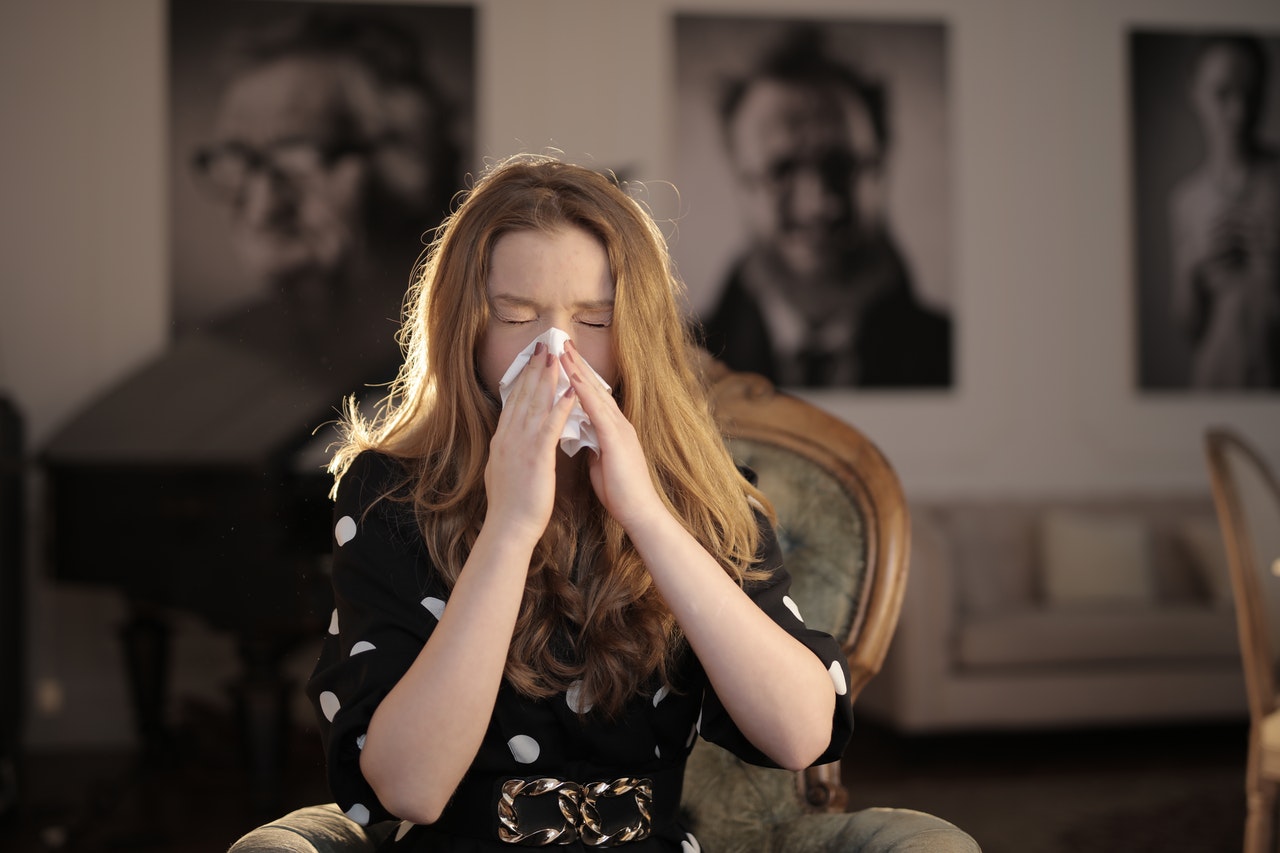

Allergies are thought to affect more than 1 in 4 people in the UK at some point in the duration of their life. An allergy is simply put, a reaction that the body can have to a particular substance or food as though it’s harmful. They’re common in children and even though they can disappear as the child grows, they could well be lifelong, so will need careful observation.
Adults can also develop allergies to things that they’ve never had an issue with before, so if you develop symptoms, don’t pass off the idea that it could be an allergic reaction. While they can be extremely annoying, and can sometimes affect your day to day life, it’s worth bearing in mind that allergies can usually be kept under control with allergy testing and, if needed, the correct medication.
Common allergies
I’ve taken a few minutes to list a few of the more common allergies that you may or may not be aware of.
Household chemicals – these can include things like hair dyes (ever heard of a patch test prior to use? This is why!) and cleaning detergents.
Latex – Used to make some gloves and condoms (not an excuse to use nothing at all!)
Grass and tree pollen – commonly known as hayfever
Medicines – some are allergic to antibiotics, paracetamol and Ibuprofen
Food – commonly types of milk, shellfish and nuts
Allergy symptoms
If you’re allergic to something, you will usually know about it pretty quickly. Allergy symptoms can vary, but typically they will be one of the following:
- an itchy rash, sometimes red in colour
- a blocked or runny nose
- sneezing
- watery eyes that can sometimes be red and itchy (hayfever anyone?!)
- coughing and/or wheezing
As you can see, most of these symptoms are just an annoyance and will usually disperse by taking an anti-histamine, however, sometimes a severe reaction called anaphylaxis or anaphylactic shock can occur – this is a medical emergency and will need urgent treatment.
This kind of reaction will affect the whole body and will usually develop within minutes of exposure to something you’re allergic to.
Signs of anaphylaxis can include any of the symptoms I’ve listed above, as well as the following:
- swelling of the throat and mouth
- blue skin or lips
- confusion
- difficulty breathing
- lightheadedness
- collapsing and losing consciousness
Getting a diagnosis
If you think you have developed an allergy, it’s important that you to speak to your GP so that they can assist with any treatments and/or medications. If the allergy is the more severe kind, or it’s not obvious what is causing the symptoms, you might have to have allergy testing to determine the cause. This could include things like skin prick testing, blood tests, patch tests and elimination diets (if it’s thought to be food-related).
It’s not as scary as it sounds an there are even home allergy test kits available, so you can start the process in the comfort of your own home.
Allergies aren’t the nicest things to have, but as I’ve mentioned, they can usually be controlled and for the best part common sense prevails when you know you have one.
What’s your experience with allergies? Let me know in the comments.



No Comments