
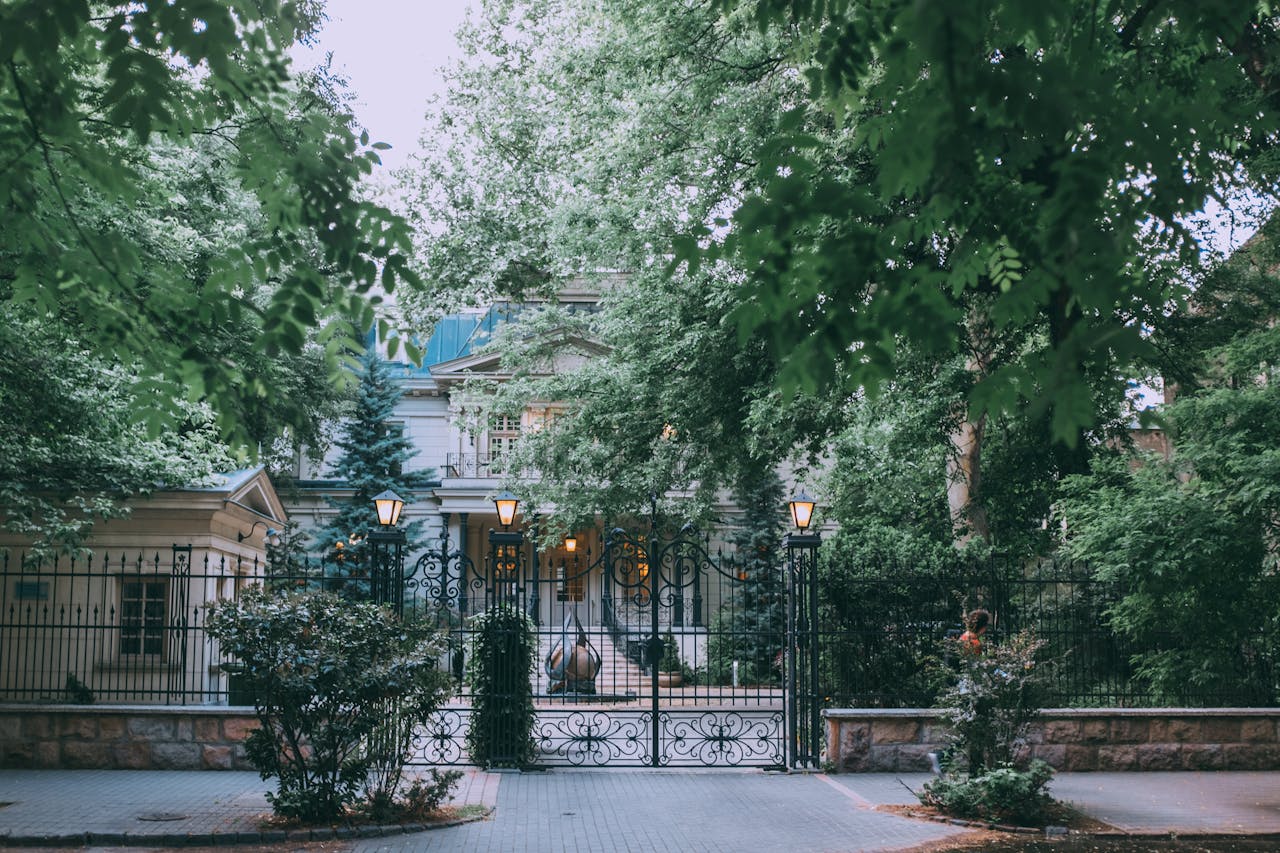
Luxury used to feel pretty easy to define, right? Well, it still is. You can go onto YouTube, to one of those luxury real estate channels, and you’re going to see sme of those current (and classic) luxury home trends like the big rooms, gorgeous finishes, a wine cellar, maybe a cinema room, and windows so huge they practically turned the whole house into a display case. You get the idea, they’re super common.
As you might have noticed, when it comes to standard real estate, even commercial real estate, there has been a focus on future proofing, and it’s actually not that much different for luxury homes either. Sure, it technically goes beyond just solar panels or a good drainage system, but future-proofing is happening here with these properties too (and like regular homes and commercial spaces, they can be affected by Mother Nature, and the Palisades Fires in California were a great example of this, honestly. So, what does future-proofing look like for luxury real estate?
Prime Locations are Being Looked at More Carefully
For years, a prime location could carry almost everything. For example, you’ve got the sea view, prestigious neighbourhood (theres plenty of them all over the world), famous skyline, sought-after postcode, and that was enough to make a home feel desirable. But now, with all of that said, location gets judged a little differently. Like a property can sit in a stunning area and still raise serious questions if that part of the world is becoming more exposed to fires, storms, flooding, or infrastructure strain.
Hurricanes are a great example for Florida, because more than enough properties (luxury included) have been destroyed, but some neighborhoods are working on the infrastructure of the area to keep the area safe (rather than each property fending for itself). So, outside of aesthetics, safety measures for towns and neighbourhoods as a whole have actually become pretty relevant.
Adaptable Spaces Just Matter More Now
Well, just keep in mind here that a future-proof home isn’t only about systems either; it’s also about flexibility. You could say this for any home, luxury or not, honestly. As people’s lives change, families change, health needs change, and a house that can adapt without losing its identity has a real advantage. That’s why more attention is going towards private suites, multi-use areas, lower-ground living, and spaces that can evolve over time.
Actually, Subterranean Spaces Global is a great example of a firm that does this. But underground additions (basements, wine cellars, storage, ect), aren’t necessarily a new concept for homes, but it’s something that’s becoming more prevalent, at least for future proofing.
Resilient Design is Becoming Part of the Appeal
When you think og future-proofing, are you immediately thinking about flashy tech or magazine-worthy structural decisions? Sure, that gets used; it’s technically not inaccurate here, but a lot of the time, it comes down to the less obvious things that make a property feel stronger and more liveable. That can mean materials that cope better with heat, smoke, wind, or damp.
It can mean layouts that feel more protected instead of overexposed (and energy efficient), the air, water planning, drainage, so it’s nothing fun or amazing as you can see. It’s basically basic things that non-luxury homeowners are supposed to focus on too.


No Comments