
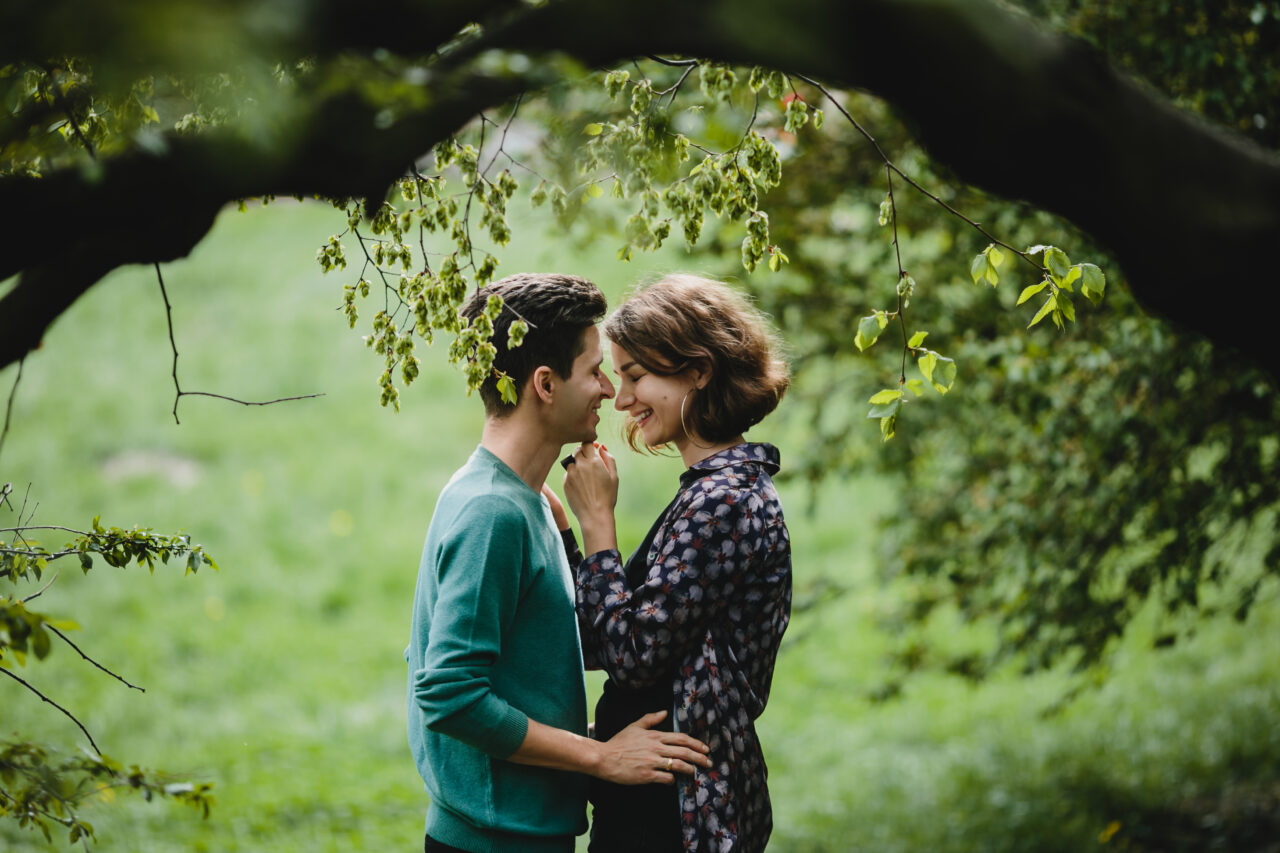
Choosing a location is a big decision when planning a photoshoot, especially considering that the choice of venue sets the scene and establishes the mood for the entire shoot. Photographers are often faced with two options when making this decision: a studio or an outdoor location. Each of these choices comes with its own set of advantages and considerations.
Studios generally offer controlled environments with predictable lighting and privacy, while outdoor locations often provide authenticity and variety with natural backdrops. Understanding the pros and cons of each option empowers photographers to decide whether they’re better off renting a photography studio Manchester professionals trust or if it’s smarter to shoot on-location in one of the city’s many famed scenic spots.
If you’re having the same dilemma, here’s a comparison of the two options to help you pick the most suitable for your needs.
Studio Photo Shoots
Studio photo shoots offer photographers an environment where they can have complete control over factors that can impact the process and result of their photoshoot. This setting provides consistency and predictability, making it an attractive option for certain types of photography. Some of its positives include the following:
- Precise Control. Studios offer complete control over lighting, temperature, and other environmental factors, allowing photographers to create consistent and predictable results.
- Studios or location houses provide privacy, which can be beneficial for clients who prefer a more intimate or contained setting for their photo shoot.
- Equipment Availability. Many photography studios are equipped with a wide range of professional equipment. These can include backdrops, lighting setups, photography accessories, and props that can make it easier for photographers to achieve their desired aesthetic.
- Studios are typically located in easily accessible locations and offer amenities such as changing rooms and restrooms. Such features offer greater convenience for both photographers, models, and clients.
- Most studios can be customised to suit a variety of themes and concepts and may allow photographers to explore different creative possibilities without limitations imposed by external factors.
Meanwhile, some of the downsides of studio photography are:
- Lack of Authenticity. At times, studio environments may lack the natural and authentic feel that outdoor locations provide, which can be important for certain types of photography such as lifestyle or environmental portraits.
- Limited Variety. While studios offer versatility, they may lack the variety of backdrops and settings available in outdoor locations.
- Renting a studio space can be expensive, especially for extended photo shoots or larger productions. As such, this option may not be feasible for photographers with limited budgets.
- Artificial Lighting. While controlled lighting can be an advantage, some photographers prefer natural light for its soft and flattering qualities. It may be challenging to replicate this type of lighting in a studio setting.
- Space Constraints. Depending on the studio you are able to rent, you may be working with limited space. This is especially true for larger group shots or shoots requiring extensive props or equipment.
Location Photo Shoots
Outdoor location shoots offer photographers natural scenery and backdrops and contribute to creating a sense of authenticity and realism in photographs. The variety of settings and backgrounds available in outdoor locations provide photographers with endless creative possibilities. Some of the advantages of shooting outdoors include:
- Outdoor locations provide natural scenery and backdrops. This creates a sense of authenticity and realism that may be difficult to achieve in a studio setting.
- Outdoor locations can range from urban landscapes to natural scenes and allow photographers to tailor their shoots to the specific needs and preferences of their clients.
- Natural Lighting. Benefiting from natural light, outdoor locations can be more flattering and dynamic than artificial lighting, especially during golden hour or in scenic outdoor settings.
- Creative Inspiration. The unique features and elements in the environment can inspire creativity and spontaneity and allow photographers to enhance their compositions.
- Cost-Effective. Unlike studio rentals, outdoor locations typically require minimal fees for permits. This makes them a more cost-effective option for photographers with limited budgets.
On the other hand, there are also downsides to location shoots, such as the following:
- Weather Dependency. Exposed to the elements, outdoor shoots are subject to weather conditions. If the said conditions are unfavourable, it can lead to delays and inconvenience.
- Lack of Control. Outdoor locations offer limited control over factors such as lighting, noise, and crowds. These can pose challenges for photographers trying to achieve specific outcomes.
- Permit Requirements. Permits for professional photo shoots, especially in public parks or landmarks, can add logistical complexity and additional costs to the process.
- Limited Amenities. Outdoor locations may lack amenities such as restroom facilities and changing rooms, which could inconvenience clients and limit the duration of the photo shoot.
- Potential Distractions. Most outdoor locations are also public spaces. Thus, they can be noisy enough to distract both photographers and subjects and interfere with the creative process.
Deciding Between Location and Studio Shoots
There are several factors that should be considered when choosing between a studio in Manchester or London and an outdoor location for a photoshoot. These can include the desired aesthetic, creative vision, practical considerations, and budget constraints. To choose well, photographers must consider the specific requirements of the shoot, the preferences of the clients, and the available resources. Ultimately, the decision should align with their artistic vision and goals for the project.
Image by freepic.diller on Freepik


No Comments