
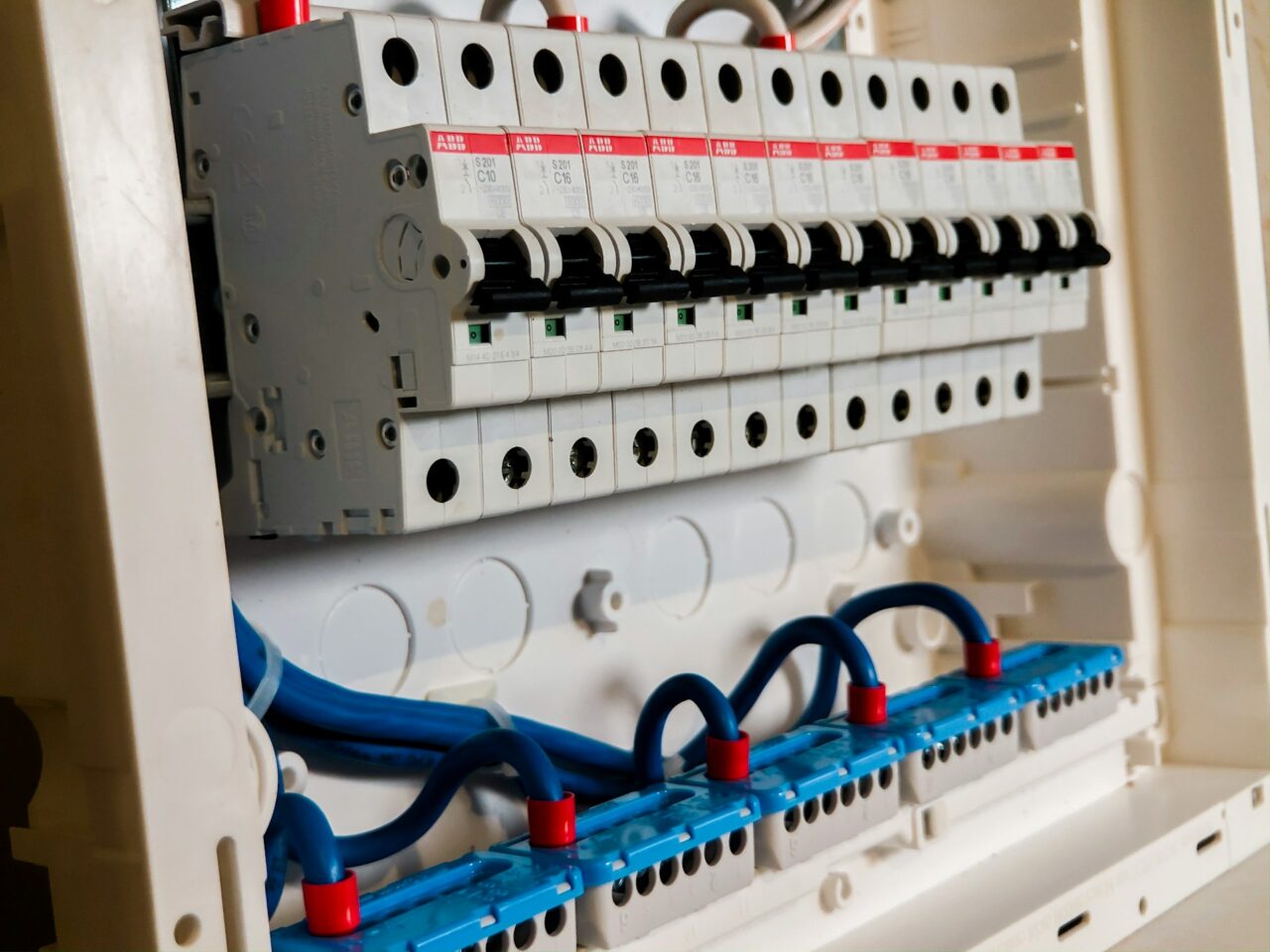
Your home’s electrical system hums along quietly, powering everything from your morning coffee to your evening Netflix binge. But what happens when it just can’t keep up anymore? Old electrical panels and wiring aren’t just annoying; they can be downright dangerous. Knowing the signs of an aging system and why an upgrade is a good idea is the first step to a safer, more efficient home.
Signs Your Electrical System Needs an Update
Lots of homes, especially older ones, weren’t built for all the gadgets and gizmos we use today. If you spot any of these common red flags, it might be time to look into updating your electrical system.
- Breakers constantly tripping: A circuit breaker tripping means it’s doing its job to stop an overload. But if it happens all the time, that’s a clear sign your circuits are always trying to pull more power than they can safely handle.
- Lights flickering or dimming: When a big appliance like an air conditioner or vacuum cleaner kicks on and your lights flicker, it means the circuit is struggling.
- Still have a fuse box? If your home uses old-school fuses instead of a modern circuit breaker panel, it’s definitely time for an upgrade. Fuse boxes are outdated and usually can’t handle the power needs of a modern household.
- Burning smell or scorch marks: Any burning smell coming from an outlet or your electrical panel is a huge warning sign. If it’s safe to do so, turn off the main breaker and call a professional right away.
The Role of Your Electrical Panel
Think of your electrical panel as the heart of your home’s electrical system. It takes the main power coming into your house from the utility company and sends it out through different circuits to power your lights, outlets, and appliances. Each circuit has a breaker that will cut the power if it senses an overload or a short circuit, which stops damage and potential fires. Learning about all about home electrical panels helps you see how important they are every day. A panel that’s working well makes sure power gets around your home safely and efficiently, keeping everything running smoothly.
Benefits of a Panel Upgrade
Updating your electrical panel isn’t just a repair; it’s an investment in how safe, functional, and valuable your home is. One of the biggest perks is getting more capacity. A new panel lets you run several high-power appliances at once without worrying about tripping a breaker. This is important for modern kitchens, home offices, and entertainment setups. It also gets your home ready for future additions like an electric car charger or a hot tub. Looking at the pros and cons of a panel upgrade often shows that the safety and convenience benefits are huge, especially in older houses.
Why You Need a Qualified Electrician
While some home projects are perfect for a DIY weekend, electrical work isn’t one of them. Your home’s electrical system is complicated and can be really dangerous if not handled correctly. A bad installation can lead to electric shocks, fires, and damage to your expensive electronics. This job needs a licensed and insured electrician who knows local codes and safety rules. A pro will check out what your home specifically needs, suggest the right panel size, and make sure the whole system is installed safely and correctly, so you can be confident the job is done right.
Planning Your Home Electrical Renovation
Before you jump into an electrical renovation, it’s smart to think about what you need now and what you might need later. Are you planning to remodel your kitchen in the next few years? Do you dream of adding a workshop in the garage? Keep these future projects in mind when you’re planning your panel upgrade. It’s cheaper to put in a panel with extra capacity now than to have to upgrade again in a few years. Make a list of all your major appliances and chat with your electrician about your family’s habits. This will help them figure out your total power needs and suggest a panel that will work great for you for years to come.
Safety First: Avoiding Common Hazards With Your Electrical Panel
Even after a panel upgrade, it’s important to practice good electrical safety habits. Don’t overload power strips by plugging in too many high-power appliances. Never run extension cords under rugs or in busy areas where they could get damaged. Regularly check your outlets and cords for signs of wear, like fraying or cracks. If an outlet feels warm or looks discolored, stop using it and have it checked out. These simple steps can really help prevent electrical hazards and keep your family safe.
A modern, strong electrical system is key to a safe and functional home. Recognizing the signs of an outdated system and taking steps to upgrade helps you power your life without a worry.
Image Credit: Unsplash


No Comments