
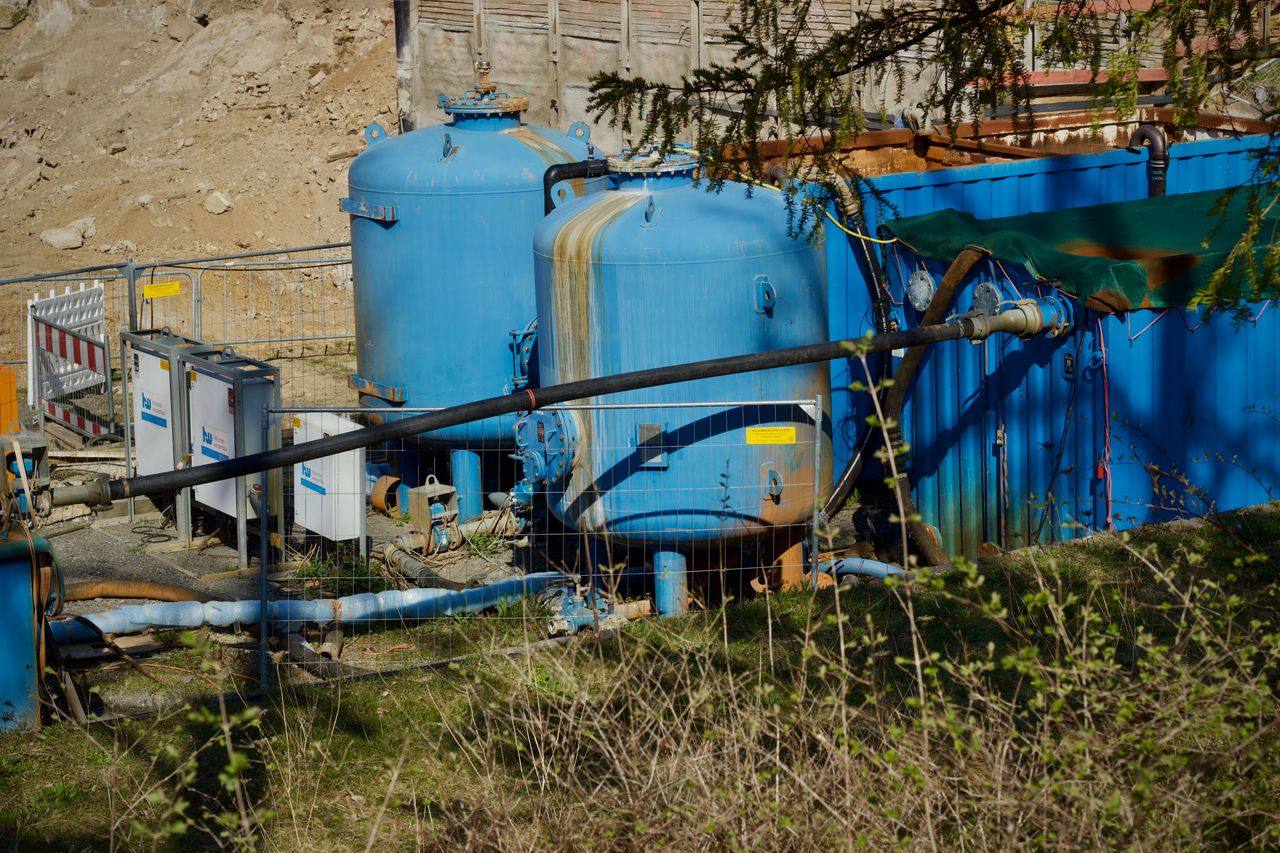
A water tank can be one of the most useful additions to a home. Whether you’re collecting rainwater or supporting garden irrigation, a well maintained tank can help to improve water efficiency while reducing waste. Managing a home water tank isn’t actually as complicated as it sounds. You just need to use some regular checks and some common sense to keep your system working smoothly throughout the year.
- Monitor your water levels regularly. One of the easiest ways to manage a water tank is to keep an eye on water levels. Modern systems often use technologies such as float switches to automatically monitor water levels and help to control pumps when required. Even if your system includes automated monitoring, it’s still worth checking levels occasionally, particularly during dry periods or after heavy rainfall. Understanding how quickly your household uses water will help you to plan ahead and avoid any unexpected shortages.
- Keep the tank clean. Over time, leaves, dirt, insects, and other debris can find their way into a water tank. While filters and screens help to reduce any contamination, they’re not perfect. Periodic cleaning remains important. Inspect your gutters, down pipes, and tank inlets regularly to prevent any debris from entering the system. Keeping these areas clean helps to improve water quality and reduces the likelihood of blockages. If your tank requires internal cleaning, always follow manufacturer recommendations or seek professional assistance where appropriate.
- Check for leaks and damage. Smaller problems become big ones if they go unnoticed. It’s important to take a few minutes every so often to inspect the tank, the pipes, the fittings and surrounding area. Look out for signs of cracks, corrosion, damp patches, or unexpected water pooling around the base. Early detection can help to prevent any huge repairs and reduce water loss. It’s much easier to address a minor issue when it’s early than to deal with significant damage and possible tank replacement later.
- Maintain your pumps and equipment. Many water tank systems rely on pumps to move water where it’s needed. Like any mechanical equipment, they benefit from routine care. Listen to any unusual noises, monitor performance, and check the systems are operating as expected. If the water pressure changes suddenly or the pumps seem to be running more frequently than usual, it could be worth investigating further.
- Prepare for changing seasons. Water usage often changes throughout the year. Gardens require more water during warmer months. Heavy rainfall can place additional demand on overflow systems, too. Adjusting your maintenance routine to match seasonal conditions will help to keep your system running efficiently. Perform storm season, make sure that gutters and overflow outlets are clear during dark, dry periods, monitor water levels more closely, and consider conservation strategies if necessary. A little seasonal preparation can prevent many common problems.
- Understand the way your system works. You don’t need to be a plumbing expert to manage a water tank effectively, but having a basic understanding of the system will be very helpful. Knowing where shut off valves are located, understanding how water enters and leaves the tank, and recognizing the purpose of key components can make troubleshooting much easier. The more familiar you are with your setup, the more confident you’ll feel maintaining it.



No Comments