
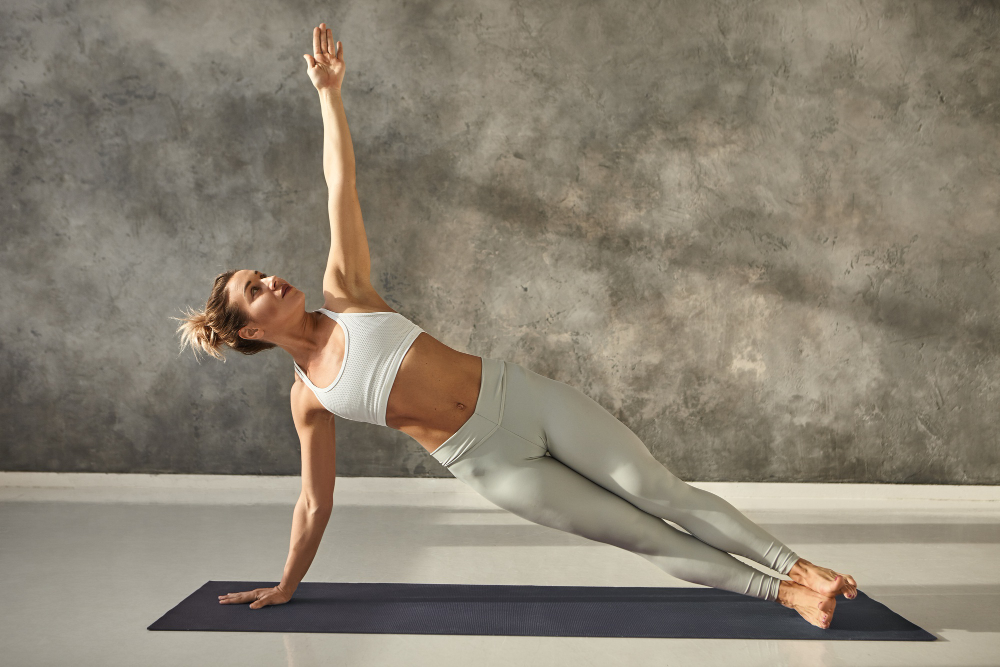
Recovery from injuries can feel like navigating a maze. You want to regain strength and mobility without risking further damage. Pilates offers a gentle yet effective rehabilitation option, focusing on controlled movements, core strength, and flexibility. It’s an excellent choice for anyone looking to heal safely and build a strong foundation for future activity. But how exactly does it work, and why do so many people swear by it?
Why Pilates for Recovery?
Pilates isn’t just about fitness trends or impressive Instagram-worthy poses. At its core, Pilates is a method of movement designed to balance and strengthen the body. Injuries often create imbalances—perhaps one side of the body compensates for the other, or muscles weaken due to lack of use. Pilates classes help to correct these imbalances, promoting healing while reducing the risk of re-injury.
Its low-impact nature is a big plus. When you’re recovering, you need exercises that don’t strain the injured area but still encourage movement. Pilates focuses on precise, controlled motions, ensuring that every movement is intentional and safe. This makes it a versatile option for people recovering from a variety of injuries, including back pain, joint issues, or even post-surgery.
What Makes Pilates So Effective for Recovery?
Pilates works because it prioritises several key principles that directly support healing and rehabilitation. These principles aren’t random—they’re intentionally designed to improve strength, mobility, and overall body awareness.
- Core Strength – A strong core isn’t just about aesthetics. It provides stability for your entire body, reducing the pressure on injured areas and promoting proper alignment. This helps minimise strain and speeds up recovery.
- Alignment and Posture – Injuries often lead to compensatory habits, like favouring one side of the body. Pilates focuses on realigning the body, which can alleviate unnecessary pressure on joints or muscles.
- Flexibility – Tight muscles can slow down healing or even lead to new injuries. Pilates incorporates gentle stretches to improve flexibility without overdoing it.
- Controlled Movements – Unlike high-intensity workouts, Pilates encourages slow, deliberate motions. This reduces the risk of sudden, harmful movements and gives you better control over your body.
- Breathing Techniques – Proper breathing may seem minor, but it’s crucial during recovery. Pilates breathing helps you relax, engage the right muscles, and even improve oxygen flow to tissues, which can aid healing.
By focusing on these elements, Pilates doesn’t just help you recover physically—it also builds your confidence in movement, which can sometimes take a hit after an injury.
Types of Injuries Pilates Can Help With
One of the best things about Pilates is its adaptability. Whether you’re dealing with chronic pain, recovering from surgery, or healing a sports injury, Pilates can be tailored to your specific needs. Here are a few examples of injuries where Pilates can make a difference:
- Back Pain – Strengthening the core and improving posture can alleviate pressure on the spine, reducing discomfort.
- Knee and Hip Issues – Gentle, low-impact exercises can help rebuild strength in these joints while improving overall alignment.
- Shoulder Injuries – Pilates can improve shoulder mobility and strengthen the surrounding muscles, aiding in recovery.
- Post-Surgery Recovery – For those recovering from surgery, especially orthopaedic procedures, Pilates provides a safe way to regain strength and flexibility under proper guidance.
- Repetitive Strain Injuries – If you’ve developed an injury from repetitive movements (think typing or sports), Pilates can help correct those patterns and build resilience.
The adaptability of Pilates means it’s not one-size-fits-all. A skilled instructor can modify exercises based on your injury, ensuring you’re working within a safe range.
The Role of a Qualified Instructor
If you’re considering Pilates as part of your recovery from injuries, it’s essential to work with a qualified instructor. Rehabilitation Pilates differs from standard group classes, focusing on exercises tailored to support healing and avoid movements that could aggravate your injury.
In your initial sessions, your instructor will assess your range of motion, pain levels, and weak areas. From there, they’ll guide you through exercises to rebuild strength and mobility steadily and sustainably, ensuring a safe path to recovery without rushing the process.
What to Expect in a Recovery-Focused Class
Pilates for recovery is gentle and deliberate. Don’t expect high-energy sequences or fast-paced movements. Instead, the focus is on control and precision. You’ll likely start with smaller movements that target stabilising muscles, gradually progressing to more dynamic exercises as you heal.
Many classes make use of specialised equipment like the Reformer or Wunda Chair. These machines provide support while adding resistance, making it easier to perform exercises correctly. Even mat-based Pilates, which uses minimal equipment, can be incredibly effective for recovery. The key is consistent practice and listening to your body.
Making Pilates a Long-Term Habit
One of the hidden benefits of Pilates is how it helps prevent future injuries. By strengthening your core, improving alignment, and increasing body awareness, you’re less likely to experience the same issues again. Plus, Pilates isn’t just for recovery—it’s a fantastic way to stay active and maintain overall health. Once you’ve healed, continuing Pilates can help you stay strong, flexible, and injury-free.
If you’re new to Pilates, don’t worry about being an expert from day one. Recovery takes time, and Pilates meets you where you are. As you progress, you’ll notice improvements in your strength, balance, and confidence, making it easier to return to other activities you enjoy.
Move Towards Healing with Confidence
Recovery from an injuries can feel overwhelming, but it doesn’t have to be. Whether you’re easing back into activity or looking for a way to stay active while healing, Pilates could be the gentle push you need to move forward.


No Comments