
You Can’t Optimise What You’ve Never Seen
You’ve probably heard the phrase “get out of the building.” It’s a favourite among entrepreneurs and startup founders. But the truth is, it applies far beyond those circles. Whether you’re managing a marketing team, designing operations, or leading an HR overhaul, rethinking business systems starts with real observation—not assumptions.
Let’s be honest: most business decisions are made in comfortable rooms, lit by fluorescent lights, fueled by bullet points and best guesses. But have you ever tried looking at your systems from the ground level? Where the pressure is real, the outcomes are immediate, and there’s no margin for fluff?
That’s where the magic happens.
Fieldwork Isn’t Just for Scientists
In business, we tend to over-rely on data dashboards and spreadsheets. While those tools are useful, they’re not enough. They’re abstractions—useful for measuring outcomes, sure, but not for diagnosing why something is broken or inefficient.
If you want to understand how your systems really function, you have to see them in action. Sit with your customer service rep during a complaint call. Ride along with your delivery driver. Watch your team during crunch time. Observation doesn’t just reveal operational blind spots—it forces you to rethink priorities, streamline workflows, and, in some cases, completely rewire your approach.
What Emergency Response Can Teach Business
Now, let’s take this idea even further. What if you looked outside your own industry?
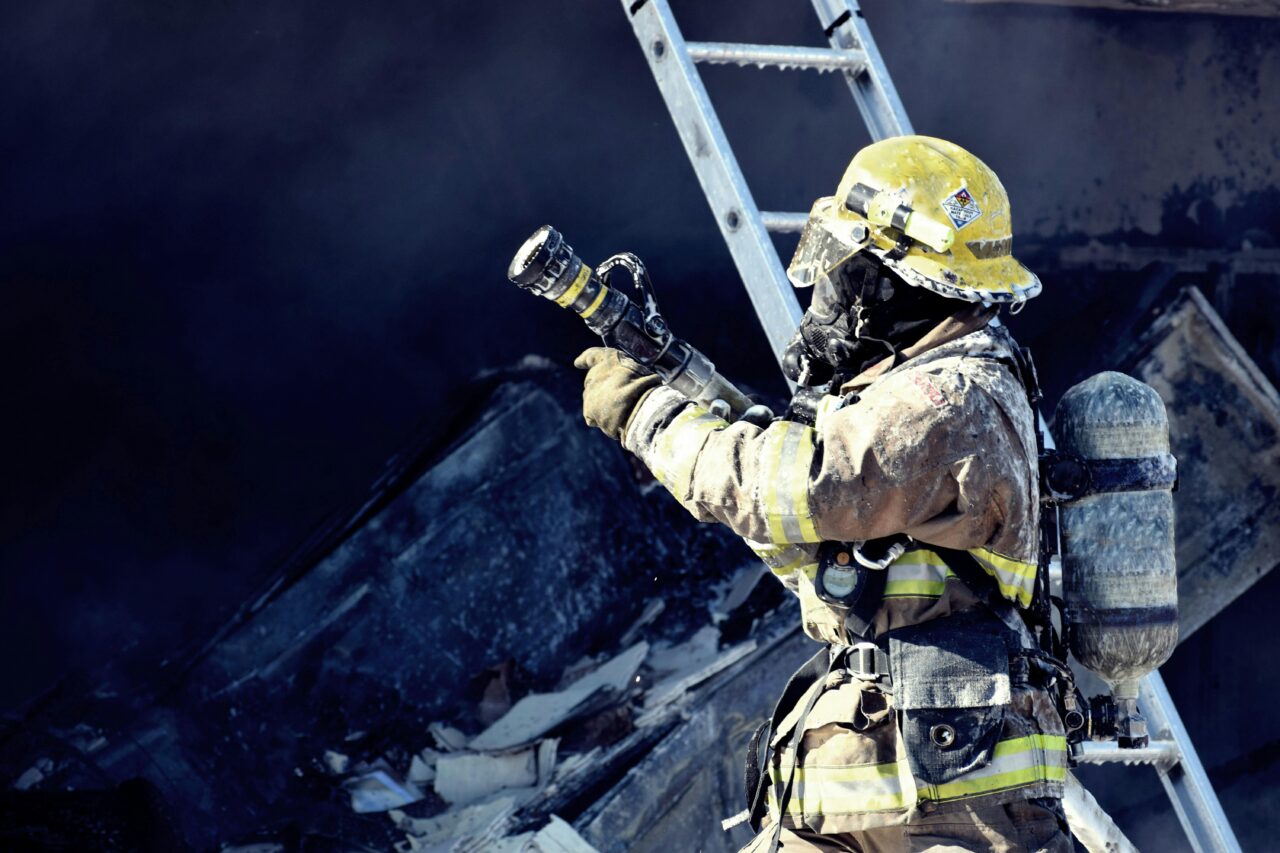
Emergency medical services (EMS) are a masterclass in system design under pressure. Every movement, every protocol, every piece of equipment—they all exist for a reason. There’s no tolerance for inefficiency when lives are on the line.
You can learn more from that than you might think.
To really grasp the speed, clarity, and decision-making required in critical moments, schedule an EMS ride-along. Watch how these professionals communicate, how they triage, how they prepare for unpredictability. It’s an immersive experience that will challenge your assumptions about leadership, systems, and even your own stress response. And yes, it will completely change how you design processes back at your desk.
Translating Grit into Systems Thinking
So, what can a day in the field offer your business?
For one, urgency. You’ll stop wasting time on bloated strategies and start prioritising outcomes that actually matter. It also delivers clarity. Watching real people use (or struggle with) your systems shows you what’s essential and what’s just noise.
And then there’s empathy. Sitting in the back of an ambulance or beside a field technician shifts your perspective. These aren’t just “end users” or “staff.” They’re the living, breathing heart of your organisation. Design your systems with them in mind, and everything runs smoother.
Real Insight Is Earned, Not Modelled
The best ideas don’t live in white papers or Zoom meetings. They’re hiding in plain sight—in the messy, unpredictable, real world. The sooner you make a habit of leaving your office bubble, the more insight you’ll gather.
Field observation is not about being nosy. It’s about being grounded. Whether you’re managing a team of ten or ten thousand, spend less time theorising and more time watching. You’ll make sharper decisions. You’ll build better systems. You’ll become a better leader.
Turns out, the field is your best classroom. You just have to show up.
Via Pexels




No Comments