


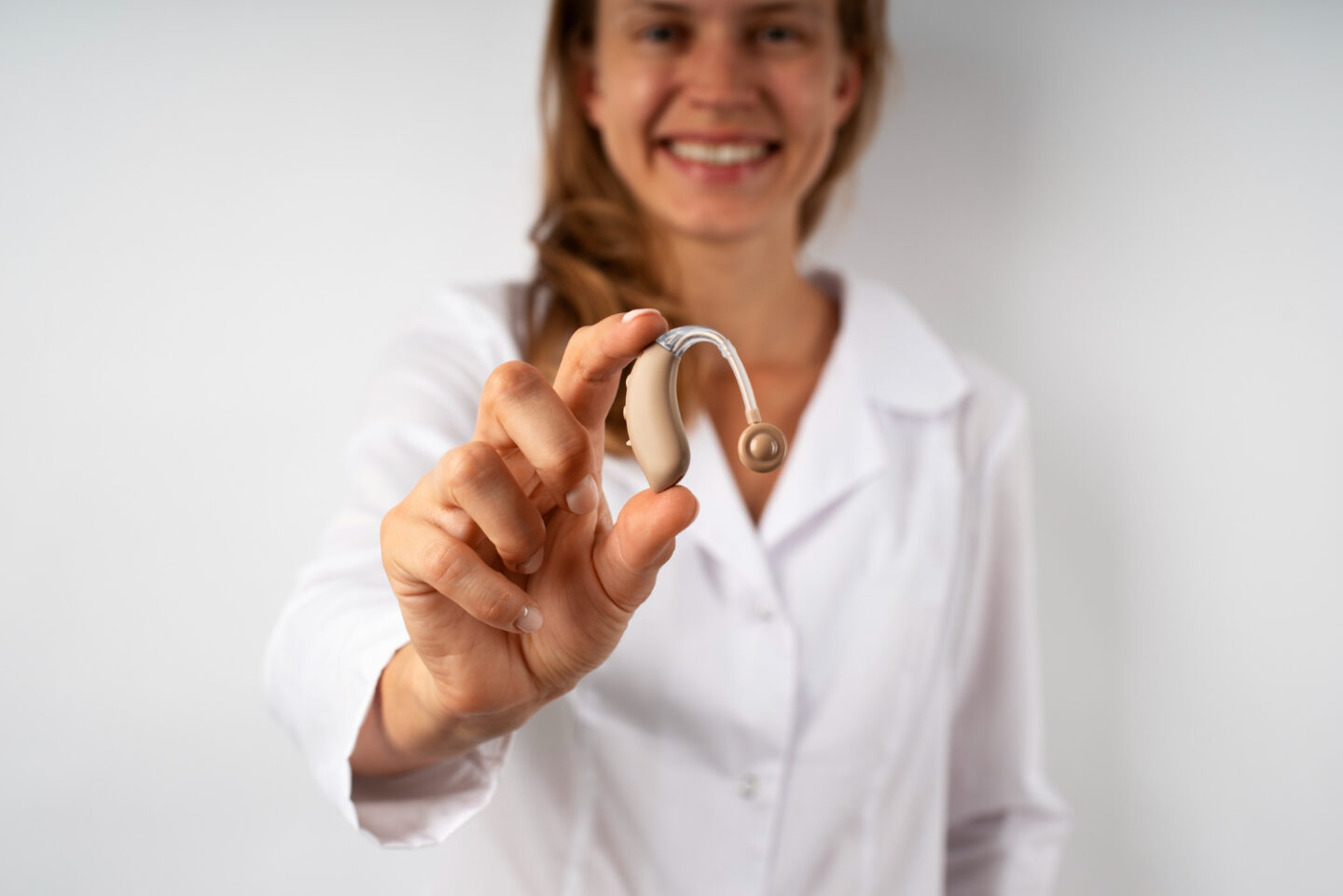
Hearing aids are invaluable tools for those who need them, offering a lifeline to the sounds of daily life. The likes of Oticon Intent lead the way when it comes to these devices! Proper care and maintenance are essential to ensure they function optimally and last as long as possible. Here are some tips and guidelines for caring for your hearing aids effectively.
Understanding Your Hearing Aids
Before diving into maintenance tips, it’s essential to understand the basic components of hearing aids and how they work. Most hearing aids consist of a microphone, amplifier, speaker, and battery. The microphone picks up sound, the amplifier increases the sound’s volume, and the speaker sends the amplified sound into the ear. Knowing this helps in understanding why certain care steps are necessary.
Daily Cleaning Routine
Cleaning your hearing aids daily can prevent buildup of earwax, dust, and other debris that can affect performance.
Steps for Daily Cleaning
- Wipe Down the Hearing Aids – Use a soft, dry cloth to gently wipe down the hearing aids every night before bed. This removes any moisture and debris that has accumulated during the day.
- Clean the Microphone and Receiver – Use a soft-bristled brush or a special cleaning tool to clean the microphone and receiver. Be careful not to damage these delicate parts.
- Check the Earmold and Dome – If your hearing aids have an earmold or dome, make sure they are clean and free of earwax. You can use a wax pick or loop to remove any buildup.
Avoiding Moisture
Hearing aids are sensitive to moisture, which can cause significant damage.
- Remove Before Showering – Always take your hearing aids out before you shower, swim, or engage in any water-related activity.
- Store in a Dry Place – When not in use, store your hearing aids in a dry, cool place. Consider using a hearing aid dehumidifier or a drying box overnight to remove any moisture.
- Sweat Management – If you perspire heavily, consider wearing a sweatband or using hearing aid sweat covers.
Battery Care
Proper battery care is crucial for the optimal functioning of your hearing aids.
Extending Battery Life
- Turn Off When Not in Use – Always turn off your hearing aids when you are not using them to extend battery life.
- Store Batteries Properly – Store your batteries in a cool, dry place. Avoid storing them in hot or humid environments, which can reduce their lifespan.
- Check Battery Contacts – Ensure the battery contacts are clean. If they become dirty, gently clean them with a dry cloth.
Regular Professional Maintenance
Even with diligent home care, professional maintenance is essential.
Schedule Regular Check-Ups
Regular check-ups with your audiologist can help identify and fix issues that you might not notice.
- Professional Cleaning – Your audiologist can perform a more thorough cleaning than you can at home, removing any stubborn debris and checking for any damage.
- Performance Checks – They can also check the performance of your hearing aids, ensuring they are functioning correctly and making any necessary adjustments.
Troubleshooting Common Issues
Understanding how to troubleshoot common issues can save you time and frustration.
Common Problems and Solutions
- Feedback (Whistling Sound) – Feedback can occur if the hearing aid doesn’t fit properly or if there is a buildup of earwax. Ensure your hearing aids fit correctly and clean your ears regularly.
- Sound Distortion – This can be due to low battery or a buildup of moisture. Replace the battery and ensure your hearing aids are dry.
- No Sound – Check if the hearing aid is turned on, the battery is correctly inserted, and the volume is at an appropriate level. If these steps don’t work, consult your audiologist.
Safe Storage Practices
Proper storage of your hearing aids is just as important as regular cleaning and maintenance.
Best Practices for Storing Hearing Aids
- Use a Protective Case – Always store your hearing aids in a protective case when not in use. This prevents them from getting damaged or lost.
- Keep Out of Reach of Pets and Children – Pets can chew on hearing aids, and small parts can be a choking hazard for children. Always store them in a safe place.
Upgrading Your Hearing Aids
While caring for your current hearing aids is important, there will come a time when you need to upgrade.
When to Consider an Upgrade
- Diminished Performance – If your hearing aids no longer provide the same quality of sound, it might be time for an upgrade.
- Technological Advancements – Newer models often come with advanced features that can significantly improve your hearing experience.
- Changes in Hearing – If your hearing has changed, your current hearing aids might not be able to accommodate your new needs.
Conclusion
Caring for your hearing aids properly ensures they continue to function well and last longer, contributing to a good quality of life. By following a daily cleaning routine, managing moisture, caring for the batteries, scheduling regular professional maintenance, troubleshooting common issues, and storing them safely, you can keep your hearing aids in top condition. And remember, keeping up with technological advancements and recognizing when it’s time to upgrade is also a key part of maintaining your hearing health. Taking these steps will help you make the most out of your hearing aids, ensuring they continue to support your hearing needs effectively.