


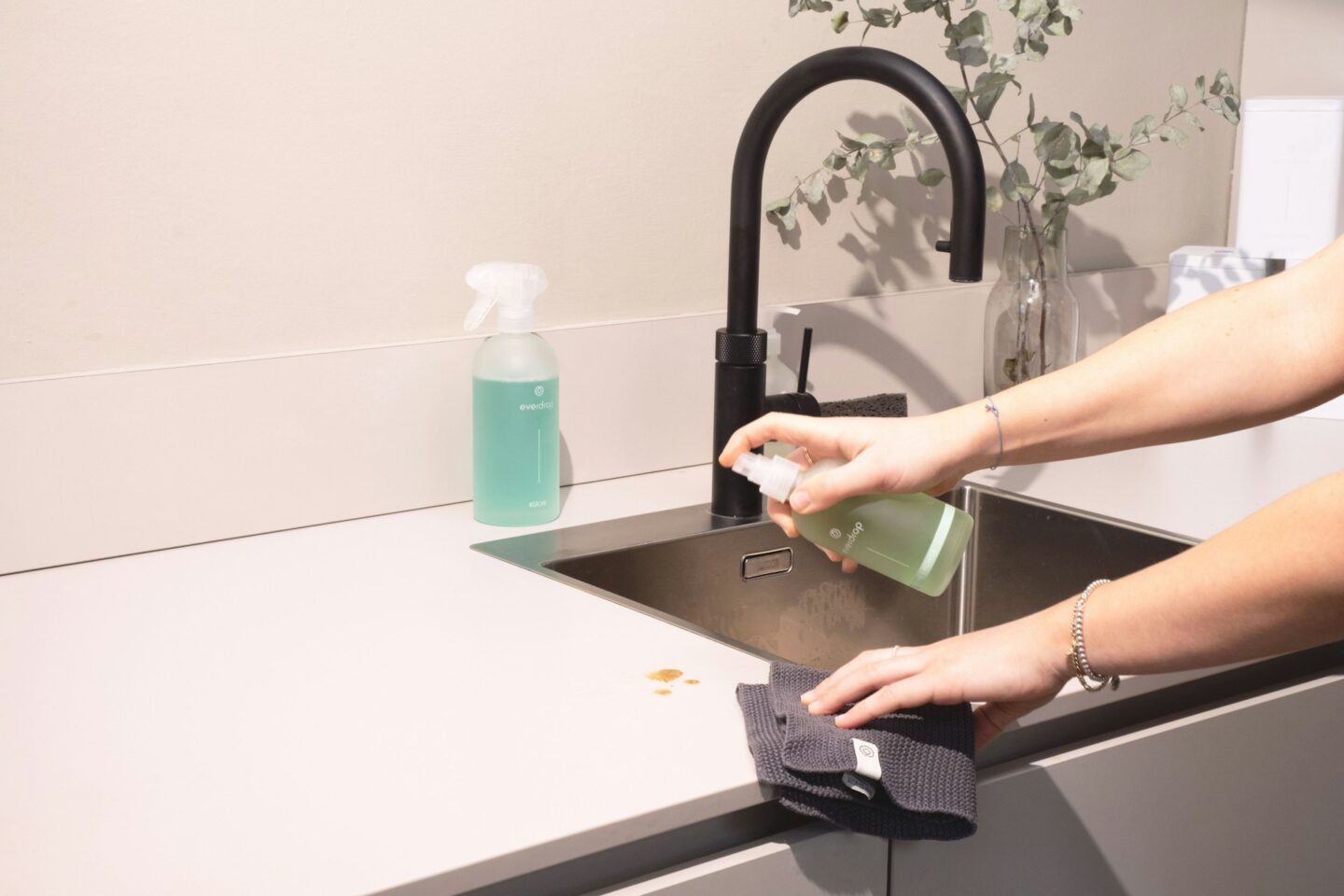
There’s nothing quite like coming home to a tidy space, but sadly, keeping it that way is rarely as effortless as you’d hope. Between work, personal obligations, and the general chaos of daily life, it’s easy to slip into habits that make cleaning harder than it needs to be.
You may wipe something the wrong way or skip a simple step in an attempt to save time, only to end up creating more work for yourself later.
To help you preserve your sanity, this guide will highlight the ten most common cleaning mistakes people make and how to avoid them.
1. Using the Wrong Products
Different materials need different treatments. For instance, a harsh bleach solution can dull the finish of wooden tables, while an abrasive cream cleaner can scratch polished stone countertops. Once the damage is done, it’s usually quite expensive to reverse.
Worktops, appliances, glass, wood, and tiles all respond best to their own type of cleaner. To choose the right solution, make sure to check the manufacturer’s label before buying it.
If you’re worried about high-value pieces, such as antiques or bespoke furniture, natural alternatives are often the safer option. Solutions made with plant-based ingredients minimise the risks that come with most mainstream products.
2. Ignoring Labels
Product labels are there for a reason. They explain how to use the cleaner safely and effectively, and skipping them often leads to lacklustre results or, in the worst case, permanent damage.
Incorrect dosage is one of the biggest pitfalls people encounter. Using too little usually produces weaker results, while too much leaves residue behind, making your initial effort essentially pointless.
It also pays to check the ingredient list, especially if anyone in the household has allergies. Some cleaners contain strong fragrances or preservatives that can irritate sensitive skin or trigger asthma attacks.
Most importantly, product labels warn you about potentially hazardous combinations. Certain chemicals release dangerous fumes when combined, so a few seconds of reading can prevent far more serious problems.
3. Overusing Cleaners
When a job looks tough, it’s tempting to layer on more product than you need. It feels like you’re giving the stain a stronger push, but it usually has the opposite effect.
You see, excess cleaner leaves behind a sticky film along with unsightly streaks. This residue will then attract more dust and grime, further contributing to the very problem you were trying to remove.
Most solutions are designed to work in small, measured amounts. Following the recommended quantity keeps surfaces clean without creating tacky patches that require extra scrubbing.
Using less product also improves the air quality in your home by reducing the amount of airborne chemicals floating around.
4. Overlooking High-Touch Areas
High-touch points are the unsung heroes of everyday life. Light switches, door handles, taps, and remote controls work hard behind the scenes, but they rarely make it onto the chore list.
These surfaces accumulate bacteria rapidly, especially in busy households. Over time, these germs can multiply and spread if left unchecked.
To keep these areas hygienic, make it a habit to wipe them down with a disinfectant spray once a week. During your routine clean-up, pay extra attention to the corners and crevices where dirt tends to hide.
5. Cleaning from the Bottom to the Top
Most people start with the floor. It feels like the largest job, so it’s only natural that you’ll want to get it out of the way first. But if you clean your floors before the above surfaces, dust from shelves, tables, and worktops will fall straight onto them, undoing all your effort.
Working top-to-bottom makes the process smoother. The most efficient order is to dust high shelves first, clean surfaces next, and tackle the floor last. That way, you’ll avoid repeating tasks, save time, and finish with a genuinely clean space.
Once you establish this pattern, it quickly becomes second nature.
6. Using Dirty Tools
A worn-out sponge or grimy mop will spread dirt instead of removing it. To keep things hygienic, make it a habit to replace worn-out sponges every few weeks and wash mop heads after each use.
Microfibre cloths also perform best when rinsed and dried thoroughly, but whatever you do, don’t use fabric softener, as it can alter their texture.
The quality of your tools matters just as much. High-quality mops and cloths last longer and clean more effectively, reducing the number of replacements you need throughout the year.
If you prefer a quick fix, disposable pads are a convenient option. However, it’s best to opt for the biodegradable kind to reduce the environmental impact of your cleaning routine.
7. Allowing Clutter to Build Up
Trying to clean around clutter makes the whole process more exhausting. You’ll end up lifting ornaments, dodging loose paperwork, and tiptoeing around belongings that slow you down at every turn.
To avoid the frustration, take some time to declutter first. That way, you’ll be able to wipe surfaces properly, reach corners easily, and actually see the areas that need your attention.
To stay focused and make the task more manageable, set a timer for 15–30 minutes and place everything back where it belongs before you start wiping and sweeping.
8. Poor Ventilation
Good airflow is essential, especially when using stronger products. Without proper ventilation, cooking smells and chemical fumes from your store-bought cleaners linger in the air, making your entire living space uncomfortable.
To improve airflow and allow stale odours to drift out, all you have to do is crack open the window and maybe turn on a fan if you have one.
It also helps to swap store-bought products for natural cleaning agents, such as lemon juice, white vinegar, or baking soda. These kitchen staples have a gentler fragrance and pose no risk to pets and young children.
9. Skipping Regular Maintenance
A light layer of dust is easy to wipe away, but if you leave it long enough, it’ll turn into a stubborn coating that clings to every edge. Routine upkeep is the only way to prevent this.
To keep your living quarters fresh and comfortable, make it a habit to wipe frequently used surfaces and vacuum high-traffic areas every day. These daily habits, coupled with monthly deep cleans, will prevent small tasks from turning into scrubbing marathons.
If your schedule is typically jam-packed, a monthly professional cleaning service can make your life a lot easier. Although it won’t replace a regular routine, it can give your home a much-needed reset, drastically reducing your workload.
10. Using Paper Towels for Everything
Paper towels may seem convenient, but they generate waste at an astonishing rate and often smear dirt instead of removing it. They also break down on damp surfaces, forcing you to use more than you need.
Microfibre cloths are far more effective. They effectively collect dust and grime, can be washed and reused, and give surfaces a polished finish. If you do the math, you’ll find that they’re much kinder to the environment and easier on your wallet in the long run.
Once you experience the difference, it’s hard to go back to disposable options.
Conclusion
Cleaning will never be the most glamorous part of life, but the right approach can turn it from a chore to a manageable and even satisfying part of your routine.
As long as you steer clear of these common pitfalls, you’ll find it much easier to keep your home clean and comfortable day after day.
But if all else fails, there’s no shame in lighting a candle, tidying the cushions, and pretending you’ve been this organised all along.
Photo by everdrop GmbH on Unsplash