


Winter doesn’t exactly favour healthy and vital lawn grass. It’s likely that your lawn is looking pretty destitute and dry right before winter’s end, and that’s not going to make for a good view for spring. To make matters worse, the soil is often depleted of all nutrients, making it difficult for the grass to survive. By utilising proper measures and putting effort into lawn maintenance, you’ll have a lush and gorgeous lawn come springtime.
It’s always worth getting experts to take a look at your lawn too. Trugreen florida can help you out with all of your lawn care needs from pre-emergent weed control in the Spring to targeted weed control in the Autumn.
Keep it well fed
Spring is that critical time of the year when your lawn is most desperate for nutrients. After a long and harsh winter, it’ll need all the help it can get. Winter tends to drag on in many parts of the country, which is why you’ll need to give it an extra nutrient boost.
For starters, you’re going to want to utilize some quick-release fertilizers. They’re great at replenishing plant nutrients when winter gets particularly tough. The fertilizer will reach the roots rather quickly and help the plant get back on its feet, figuratively speaking. Quick-release fertilizers can really green up your rand in a short span of time, but don’t overdo them. Pouring a little too much in one spot will definitely kill your grass, making the problem quite a bit worse.
Don’t forget about other options for your lawn health. Slow-release fertilizers have their uses as well. They slowly feed your lawn over time, allowing the nutrients to really get in there and do their job. They come in pellets that sit on top of the soil, as you’re not in a rush to fertilize the lawn with them. Over time, they will dissolve and Provide some much-needed long-term nutrition to the soil.
Go easy on the mowing
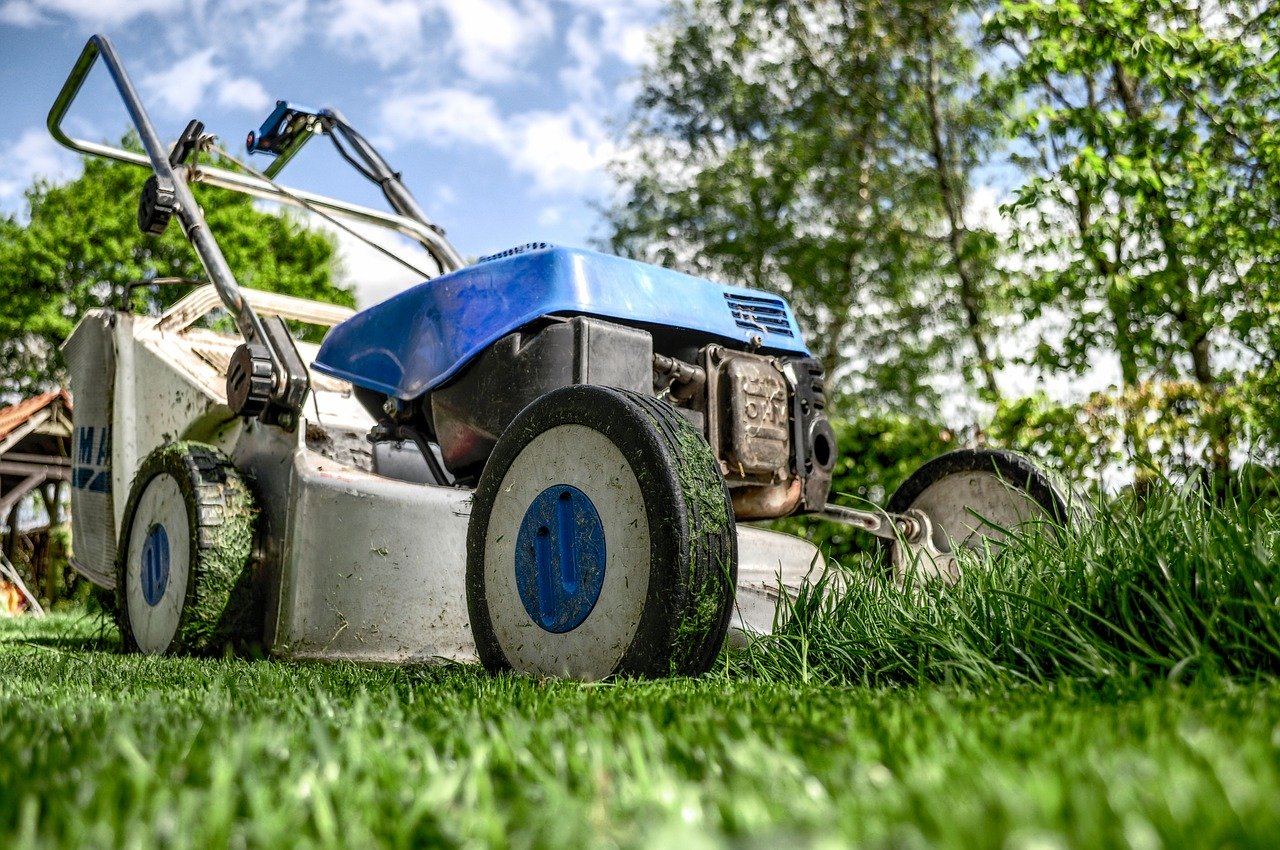
While the lawn can always use some mowing, that doesn’t mean you should rush back into it the moment the snow clears. The grass will grow a little during the winter, despite the harsh temperature and environments. This often motivates homeowners to mow it as though it’s any other season. However, this can prove to be detrimental to the grass.
There’s a reason why it still sees some growth during the winter. The grass growth protects the delicate roots from being damaged by the frigid environment. Mowing and keeping it low will only make the grass vulnerable, further risking its health during the cold weather. It would be wiser to simply trim it or use a high-setting on the lawnmower to take care of the unsightly part of the grass. Let it remain at a certain height and the root system will stay healthy. Click here for an additional guide on mowing your lawn.

Work on soil sampling
For your grass to be healthy, it needs to be surrounded by nutrient-rich soil. The winter months make for a bad environment for plants, and their soil often gets depleted by the end of the winter. You’re often left with a thick clay-like mess which won’t do these plants a lot of good. What you really want is nutrient-rich topsoil which will feed the plants and let them grow. If you feel like your lawn is lacking in topsoil, it might be time to introduce some.
To get the appropriate kind of topsoil, you’re going to want to determine the kind of grass and lawn you have. The condition of the soil in your yard is crucial information that will help you improve the health of your lawn during spring. The pH, electrical conductivity, and amount of organic matter present will give you insight into its state. However, it’s unlikely that you’ll be able to test the soil for this on your own. You would need the right reagents and equipment to test for these elements, which is something you are more likely to find in a laboratory setting.
The good news is that you don’t have to test for this on your own. Your state’s agricultural extension service will have cheap options for sampling soil that will rarely go over 20$. Take a Ziploc bag or vial full of your soil to them and they’ll tell you the state of your lawn.
Aerate the soil
Aeration is a critical part of lawn care and maintenance. To help create a functional ecosystem in your garden, you need to provide adequate airflow to the soil, so that different plant roots and microbes can thrive in it. Keeping the soil loose and aerated makes for a much healthier garden ecosystem.
Many homeowners forget to aerate their lawns because they only feature grass. While this may be a monoculture in many ways, the grass is also part of a complex system that features a wide variety of living things. Plant roots, microbes, and insects are tightly packed in this system, which means that this soil also requires aeration.
Over time, the soil beneath the grass will slowly compact and reduce the number of nutrients featured. Aeration helps replenish this and breathe new air into the soil. The best way to aerate your lawn would be to use a plug aerator. However, this may pose a problem during this season in particular.
You’re not the only homeowner that needs to aerate their lawn. It’s likely that most gasoline-powered aerators have already been rented, as demand is so high right before spring. If you aren’t in much of a rush, you could always wait it out and aerate it later, but this runs the risk of letting your plants starve a little longer. With a little muscle and sweat, you could always get a manual aerator and do the job the old-fashioned way. As long as you don’t have an issue with a little hard manual work, you’re going to find that it’s going to be perfectly manageable. If you decide that you want to hire a professional service to help you, then researching lawn aeration in Central New Jersey (or in your area) will allow you to find a suitable and reliable company to manage your lawn.
Seed empty patches
It’s unlikely that your lawn has survived the winter completely intact. Whenever the winter is particularly harsh, you can expect some patches of grass to die off during the coldest days. These empty spots shouldn’t be left that way, though, as you don’t want patchy grass in the spring. If you want to replenish some missing spots, you’re going to want to add some more grass. You just need some adequate seeds to get the job done.
Not every seed will be a great pick for your lawn. You have to choose a species that will go well with your soil type. At the same time, you need to consider the climate. Tropical grass types certainly won’t do well in cold or mountainous areas. The opposite rings true as well. Finding seeds won’t be too difficult. All you have to do is take a trip to your local farmer’s market and ask about some common types.
Once you have the seeds you need, you’ll have to plant them. This is something you have to be careful with as well, as the season doesn’t exactly favour growth. It’s crucial that you plant the seeds just as the ground starts thawing. This will give your seeds the best chance to grow into healthy grass. Proper seeding technique is also important.
The topsoil should be broken up first, to make way for the seeds. Add the seeds and spread a one-inch layer of compost over the area. Use a tiller or rake to really work it in the soil, so that it gets deposited at an adequate depth. Once you’re done, you might want to spread a coating of pulverized lime on top. This should give you a good basis for your seeds to grow. As long as they’re spread out properly, you’re going to have attractive and evenly spread out grass growing on your lawn.
Water the lawn
Watering the lawn as the winter goes by and spring begins is just as important as it is throughout the year. Naturally, you’re going to be watering the lawn less and less as the cold seasons come in, but that doesn’t mean the soil doesn’t need water. During the harshest winter months, you might not have to water it all that much, but as it gets warmer, your lawn will start requiring more hydration.
As spring inches closer, you will have to start watering the lawn on a weekly basis. Give it at least an inch every single week. Don’t skip a week of watering only to compensate with extra inches later on. This wouldn’t do a lot of good for your lawn’s grass. Overwatering will only cause further damage to an already struggling plant ecosystem. Keep watering it on a regular basis and the grass will slowly start to regenerate as the weather warms.
Remember to water it in the mornings, so that nothing is lost to evaporation. If your lawn is particularly large in terms of surface, manually watering it might not be the most feasible solution. You can always set up a system and utilize efficient watering accessories to help hydrate your lawn. With the help of good water pressure and a couple of connectors, you would be able to water the whole lawn within minutes.
Weed out intruders
Just because the weather is particularly cold and harsh doesn’t mean your lawn will be clear from plant intruders. There will always be weeds around, especially during seasons where your desired plants aren’t in their top form. After the winter dies down, you’ll quickly note the number of weeds that litter your lawn and take up space. They will sap the surrounding grass of their water and nutrients, making it difficult for it to grow. Nip it in the bud (or root?) by deploying a well revised weed management program from a high quality service provider to remove any headache or hard work on your part. Whether you choose a company to do it or you do it on your own, it needs to get done
You will want to remove them from your lawn to improve the growth of the grass you want. Which way you do it depends on what you prefer. Some homeowners will weed them out by hand, while others prefer to use weed killers. If you go the manual route, it will take a while, but you’ll be able to get them all by the time spring rolls around.
If you choose to go the weed killer route, you should know the different types of weed killers that are available out there. There are two kinds that you should consider. There’s the contact weed killer option, which burns off the weeds and makes killing them a lot easier. The other type is less direct and more systemic. Since weeds are a different plant group than your lawn’s grass, you can utilize chemicals to only kill one of them. In this case, the target is definitely the weeds that are growing among the grass. Which one you choose can also depend on whether or not you wish to preserve other plants that surround your lawn. At the same time, some people avoid using weed killers simply because they could prove to be toxic for pets. As long as you utilize some form of weed control, you’ll be able to grow healthy and evenly spread out the lawn in no time.


Conclusion
Taking care of your lawn is a lot more work than people give it credit for. Between all the cutting, maintenance, and weeding, you’re going to find that it’s quite the handful. It gets even harder when you have to take care of your lawn after a harsh winter. Cold conditions leave the soil depleted of nutrients and make it difficult for the grass to recover. However, with some proper lawn maintenance and fertilization, your lawn will be quickly revitalized and ready for spring.
Author bio
Patrick Adams is a freelance writer and rock-blues fan. When he is not writing about home improvement, he loves to play chess, watch basketball, and play his guitar. More than anything, he loves to spend his time in his garage, repairing appliances and creating stuff from wood.
Did you like this post? Why not Pin it?

