


Your skin is your body’s largest organ, yet it’s often overlooked when it comes to medical care. Many people brush off skin concerns, assuming they’ll go away on their own. But some conditions need professional attention before they turn into something more serious, which is why it’s important to see a medical dermatologist when unusual symptoms appear.
A medical dermatologist isn’t just for cosmetic concerns—they diagnose and treat conditions affecting the skin, hair, and nails. If you’re experiencing persistent symptoms or unusual changes, it might be time to book an appointment. Here are eight signs you shouldn’t ignore.
1. A Mole or Spot Is Changing
Most people have moles or freckles, but when one starts changing, it can be a warning sign. Look out for:
- Asymmetry – One half of the mole looks different from the other.
- Borders – The edges appear irregular, blurred, or jagged.
- Color – Multiple shades within one mole or a mole that darkens suddenly.
- Diameter – Anything larger than a pencil eraser (about 6mm) should be checked.
- Evolution – If a mole is growing, itching, or bleeding, it needs evaluation.
These could be signs of melanoma, the most dangerous form of skin cancer. Early detection is crucial, so don’t hesitate to get a professional opinion.
2. Persistent or Severe Acne
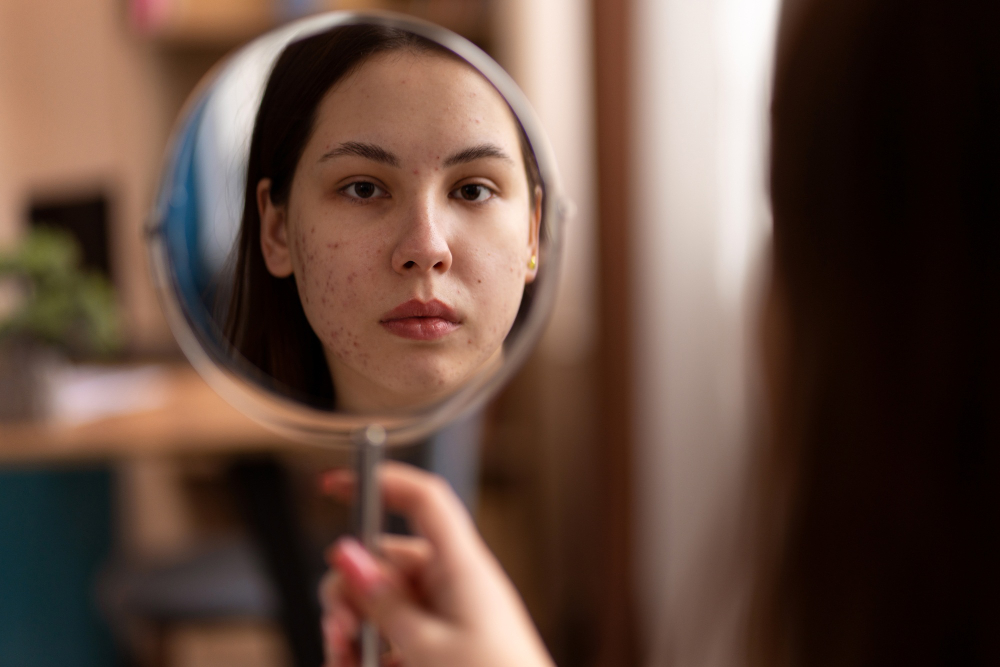
Acne isn’t just a teenage problem. If breakouts are painful, leaving scars, or not responding to over-the-counter treatments, a specialist with experience in medical dermatology can help. Stubborn acne might be linked to hormonal imbalances, stress, or underlying skin conditions like rosacea.
A dermatologist can prescribe stronger treatments, such as topical retinoids, oral medications, or even light therapy to get your skin back on track.
3. A Rash That Won’t Go Away
Rashes come and go, but if you have one that lingers for weeks, keeps coming back, or spreads, it’s worth checking out. Conditions like eczema, psoriasis, or allergic reactions can cause persistent irritation, itching, and inflammation.
Some rashes, like those caused by infections or autoimmune diseases, need specialized treatment. If your skin is red, peeling, or blistering for no clear reason, it’s time to see a dermatologist.
4. Itchy, Flaky, or Scaly Skin
Occasional dryness is normal, but if your skin is constantly flaky, irritated, or rough, it could indicate a deeper issue. Conditions like psoriasis, eczema, and fungal infections often cause chronic dryness and itching.
A dermatologist can diagnose the cause and recommend medical-grade treatments to manage symptoms and prevent flare-ups.
5. Hair Loss or Sudden Thinning
Losing a few strands daily is normal, but if you’re noticing bald patches, excessive shedding, or thinning hair, a dermatologist can help. Hair loss can be caused by genetics, stress, hormonal changes, or autoimmune conditions like alopecia.
A medical dermatologist can determine the cause and recommend treatments, from prescription medications to advanced therapies that stimulate hair growth. If you’re experiencing persistent issues, it’s essential to see a medical dermatologist for expert advice.
6. Wounds or Sores That Won’t Heal
A cut or sore should heal within a few weeks. If you have a wound that remains open, scabs over repeatedly, or continues to bleed, it could be a sign of an underlying issue.
Non-healing sores might indicate skin infections, circulation problems, or even skin cancer. Seeking early treatment can prevent complications and ensure proper healing.
7. Excessive Sweating (Hyperhidrosis)
Sweating is normal, but if you’re constantly drenched—even in cool temperatures or without physical activity—you may have hyperhidrosis. This condition can impact daily life, making simple activities uncomfortable and even embarrassing.
A dermatologist can offer solutions, from prescription-strength antiperspirants to more advanced treatments like Botox injections to reduce excessive sweating.
8. Signs of Skin Infection
Redness, warmth, swelling, and pain around a wound or rash could indicate an infection. Skin infections can range from mild bacterial issues to more serious conditions like cellulitis, which requires antibiotics. Without proper treatment, infections can spread deeper into the skin, leading to complications like abscesses or even systemic infections that affect overall health.
Fungal infections, such as athlete’s foot or ringworm, also need proper treatment to prevent spreading. Viral infections, like herpes or warts, may require antiviral medications. If your skin is inflamed, painful, producing pus, or worsening despite home care, don’t wait—see a dermatologist before it becomes a bigger issue.
Don’t Wait—Your Skin’s Health Matters
Skin issues aren’t just about appearance—they can signal deeper health problems. If something feels off, trust your instincts and get checked by a dermatologist. Early intervention can prevent long-term complications and keep your skin healthy for years to come.
If you’ve noticed any of these signs, don’t put it off. Taking the time to see a medical dermatologist could make all the difference in your skin’s health and overall well-being.