


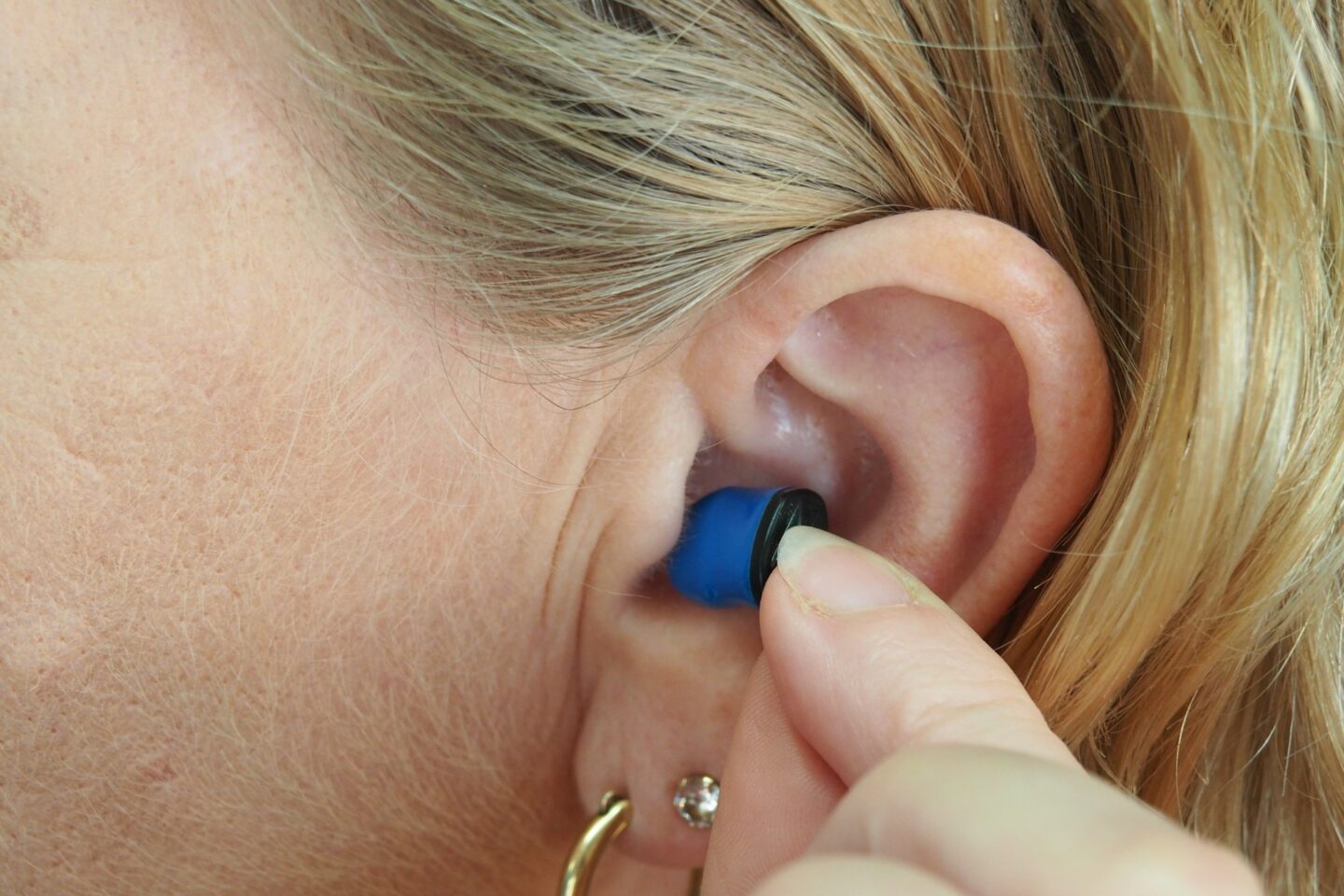
Our favourite sounds often go unnoticed until they start to fade away in the background due to hearing loss. Perhaps it’s the hum of conversation in a busy kitchen. Or maybe music that gives you goosebumps and gets you excited to move around. That simple comfort of hearing someone call your name can mean more than you might think.
Hearing feels automatic and effortless. At least, until it isn’t. And by the time you realise something’s off, you’re already turning the volume up more than you used to.
Pay attention before problems feel serious
Hearing loss doesn’t usually arrive all at once. It creeps in. You ask people to repeat themselves. You blame background noise. You nod along even when you didn’t catch every word. It feels easier than admitting you’re struggling.
Instead of brushing it off, treat those moments as information. If conversations feel harder than they used to, that’s worth noticing. Making an appointment and finding a reputable audiologist near you doesn’t mean something is terribly wrong. It means you’re staying informed. A simple check-up can give you a baseline and peace of mind.
Protect your ears during everyday activities
It’s easy to think hearing damage only comes from extreme noise. But everyday habits add up too. Headphones turned up a little too high. Power tools without protection. Loud events where you stand right next to the speakers because it’s “just for a few hours.”
It’s a good idea to learn more about hearing protection before you actually need it. There are options designed for concerts, DIY projects, motorbikes, and even regular commuting. Protection doesn’t mean missing out. It means you can keep enjoying the things you love without paying for them later.
Don’t see support as a last resort
There’s still a negative stigma around hearing support, and that tends to stop people from acting early when they notice hearing loss. Buying your first pair of hearing aids might feel like a big step, but for many people, it’s a practical one that just makes sense. Modern devices are discreet, rechargeable, and far more advanced than they used to be.
Support doesn’t mean defeat. It means staying connected. It means choosing to hear clearly instead of straining through conversations. The goal isn’t to wait until things feel unbearable. It’s to act when you notice changes.
Hearing care should be a part of your routine
You track your steps. You book dental check-ups. You think about sleep and stress. Hearing belongs in that same category. It’s part of how you experience the world. Adding a hearing test to your regular health routine doesn’t take much time. But it keeps you aware. It keeps you proactive.
When you treat hearing like any other part of your health, it stops feeling like something to ignore. Favourite sounds shape your memories and relationships, so a few steady habits, early check-ups, and smart protection can keep them clear for years to come. Protect your hearing now, and you protect the moments that matter most.
Source: Unsplash (CC0)