


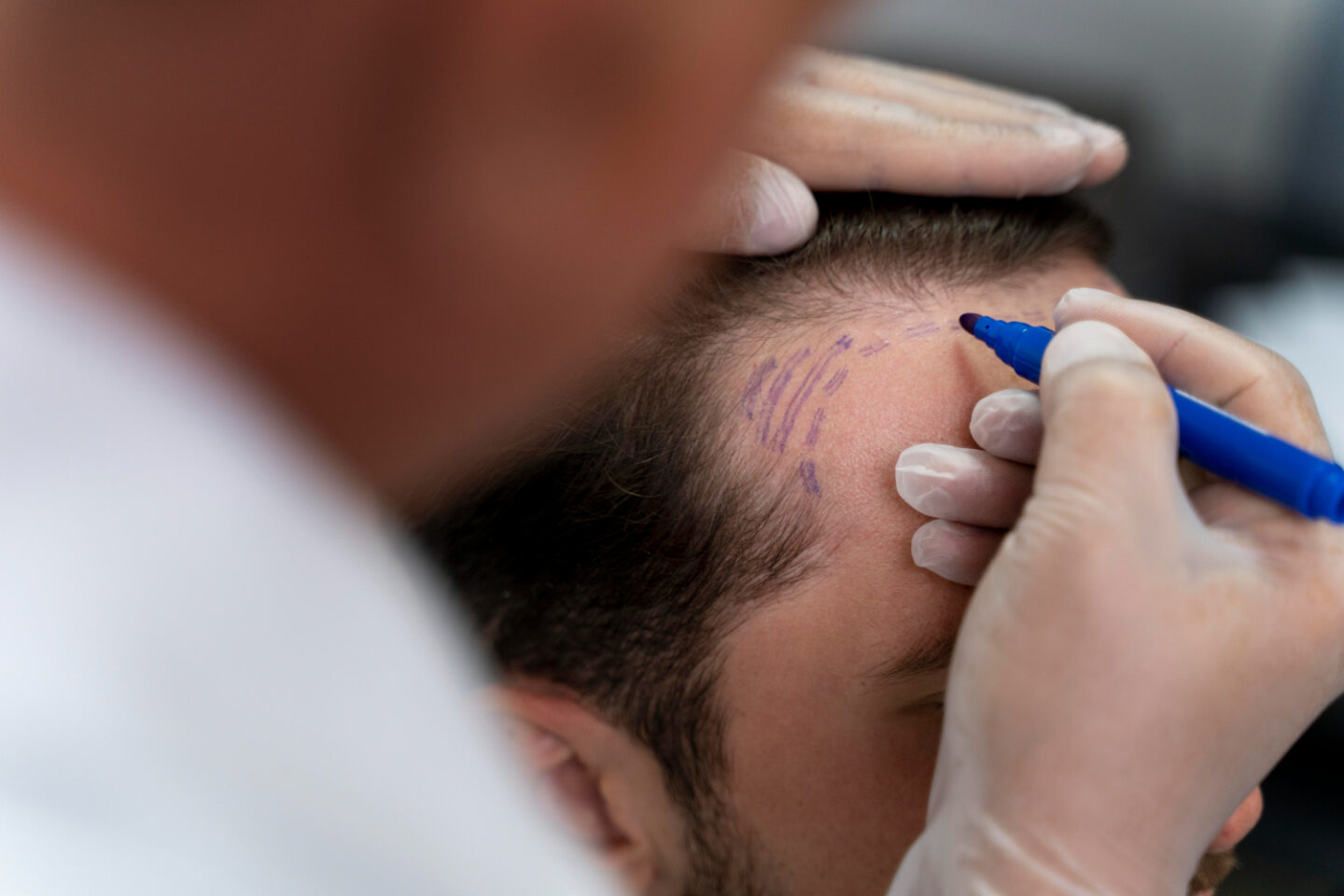
For those considering a hair transplant in Turkey, the decision is more than a physical transformation—it’s a journey toward renewed confidence and self-esteem. The hair transplant process, while increasingly popular, involves careful consideration and understanding.
From the initial consultation to the recovery period, navigating the nuances of this procedure is crucial. In this guide, we delve into six key aspects to note, shedding light on what individuals should keep in mind as they embark on the transformative path of a hair transplant.
1. Consultation is Crucial
The consultation is the foundation of a successful hair transplant. This meeting with a qualified and experienced surgeon involves a thorough assessment of your hair loss, a discussion of your goals, and the determination of the most suitable approach.
Understanding factors like genetics or medical conditions influencing your hair loss enables the creation of a tailored treatment plan, setting the stage for a personalized and successful hair transplant experience. Take this opportunity to ask any questions or express concerns, ensuring that you have a comprehensive understanding of the procedure and its potential outcomes. Clear communication during the consultation will help establish realistic expectations and build confidence in the process.
2. Different Techniques, Different Results
Hair transplant procedures come in various techniques, with Follicular Unit Transplantation (FUT) and Follicular Unit Extraction (FUE) being the most common. FUT involves removing a strip of the scalp and extracting hair follicles, while FUE extracts individual follicles directly. Each technique has its advantages, and the choice depends on factors such as the extent of hair loss and personal preferences. Understanding these differences is crucial for making an informed decision aligned with your specific goals and needs. Additionally, inquire about the potential risks and benefits associated with each technique, ensuring that you are well-informed before making a decision.
3. Choose the Right Surgeon
Selecting a skilled and reputable surgeon is a pivotal decision. Research potential surgeons extensively, scrutinize their credentials, and review before-and-after photos of their previous work. A qualified surgeon should be certified, experienced in various hair transplant techniques, and possess a proven track record of successful procedures.
Take the time to choose a surgeon with whom you feel comfortable and confident, ensuring a positive and trustworthy patient-surgeon relationship. Your chosen surgeon should be willing to discuss your concerns openly, addressing any apprehensions you may have about the process. Establishing open communication with your surgeon fosters a collaborative approach to the procedure. Additionally, inquire about the surgeon’s team and their roles in ensuring a seamless process.
4. Selecting the Best Clinic
Choosing the right clinic is as vital as selecting the right surgeon. In-depth research into clinics should encompass considerations such as reputation, patient reviews, and success rates. A reputable clinic adheres to high standards of hygiene, employs experienced support staff, and utilizes advanced technology.
Patient testimonials provide valuable insights, and for those seeking global excellence, Turkey stands out as a premier destination for hair transplants. While doing your research, ensure you keep an eye out for a clinic that offers the best hair transplant turkey. Contact the clinic directly to discuss their facilities, staff expertise, and the support they provide throughout the entire process. Additionally, inquire about the clinic’s post-operative care and follow-up procedures.
5. Realistic Expectations are Key
Maintaining realistic expectations is crucial for a positive experience. While hair transplants can yield remarkable results, the process involves the redistribution of existing hair, and outcomes may take several months to fully manifest. Understanding that transplanted hair may go through a shedding phase before regrowth is essential. Patience and realistic expectations are fundamental for navigating the journey with a positive mindset. Additionally, inquire about the expected timeline for visible results and any potential challenges during the recovery phase. Discussing potential variations in the outcome and the steps taken to address them enhances your understanding and mental preparation for the process.
6. Recovery and Aftercare
Post-operative care is a critical phase for a successful hair transplant. Following your surgeon’s instructions meticulously is key. This may involve avoiding strenuous activities, refraining from touching or scratching the transplant area, and adhering to a prescribed medication regimen.
Understanding and committing to the recovery process significantly contribute to optimal results and prevent potential complications. Don’t hesitate to reach out to your surgeon if you have any post-surgery concerns, ensuring a smooth recovery process. Additionally, inquire about any potential side effects or complications that may arise during the recovery period and the steps taken to address them.
Conclusion
Embarking on the hair transplant process is a significant decision that intertwines both physical and emotional well-being. Understanding the intricacies of this journey empowers individuals to make informed choices and embrace the transformative potential of the procedure.
From selecting a qualified surgeon to managing expectations and committing to the recovery process, each step plays a vital role in the ultimate success of the hair transplant. By acknowledging and considering these six key aspects, individuals can navigate the process with confidence, knowing they are on the path to not just hair restoration but also a newfound sense of self-assurance.
Image by Freepik