


Loose skin can be embarrassing. Whether you struggle with facial wrinkles or skin sags anywhere on your body, removing them and reversing the damage is a top priority. Skincare professionals have developed many ways to reverse such damage over the years. One way is through the use of laser treatment such as laser skin resurfacing Tampa. In fact, laser skin tightening procedures are among the most popular laser treatments for skin today. Here is what you need to know about how they work.
Causes of Wrinkled or Sagging Skin
There are a lot of things that can cause your skin to develop wrinkles. The most unavoidable is the simple passage of time. Over the years, the hormones your body produces change. Often, levels of certain hormones that promote skin health drop significantly. So do levels of other skin-protecting materials like collagen. Additionally, the passage of time provides many opportunities for your skin to be exposed to other damaging materials. Some of those materials include chemicals, fatty foods, cigarette smoke and sun.
Your skin can also develop wrinkles or sags for other reasons. For example, childbirth can leave you with a lot of extra skin. So can excessive sudden weight loss. The reasons for the wrinkles and sags and how extensive they are often dictating the measures you need to take to fix the problem. Certain treatments do not work well in all cases.
Surgery Versus Laser Skin Tightening Treatments
One of the big questions you may have is if you need surgery or if laser skin tightening will fix your skin issues. Expert skincare clinicians have often used cosmetic lasers to treat moderate or mild skin damage. However, it does take time for healing to take place. Additionally, lasers can only repair your skin up to a certain point. When you have severe sagging, surgery may be your only option. Consult your clinician or dermatologist to figure out the best course of action. It is best to avoid surgery if you can and opt for lasers because the surgery involves a lot of recovery time, potential risks and preparation.
How Lasers Can Tighten Up Your Loose Skin
Lasers are capable of tightening your skin primarily because they stimulate certain healing procedures in your body. Chief among those procedures is collagen production. Collagen is a glue-like substance that helps to hold things in your body in place, including your skin cells. When you have enough collagen, your skin is stretchy, but it also easily moves back into place.
Collagen is something your body produces in much greater quantities when you are young. The natural decline in collagen production as you age can often combine with other issues like sun exposure to create wrinkles and sagging skin. The more you can encourage your body to make more collagen, the better. Lasers do that by mildly damaging certain skin cells. Your body reacts by increasing the production of collagen to repair that damage.
Laser Skin Tightening Procedure Comfort Management
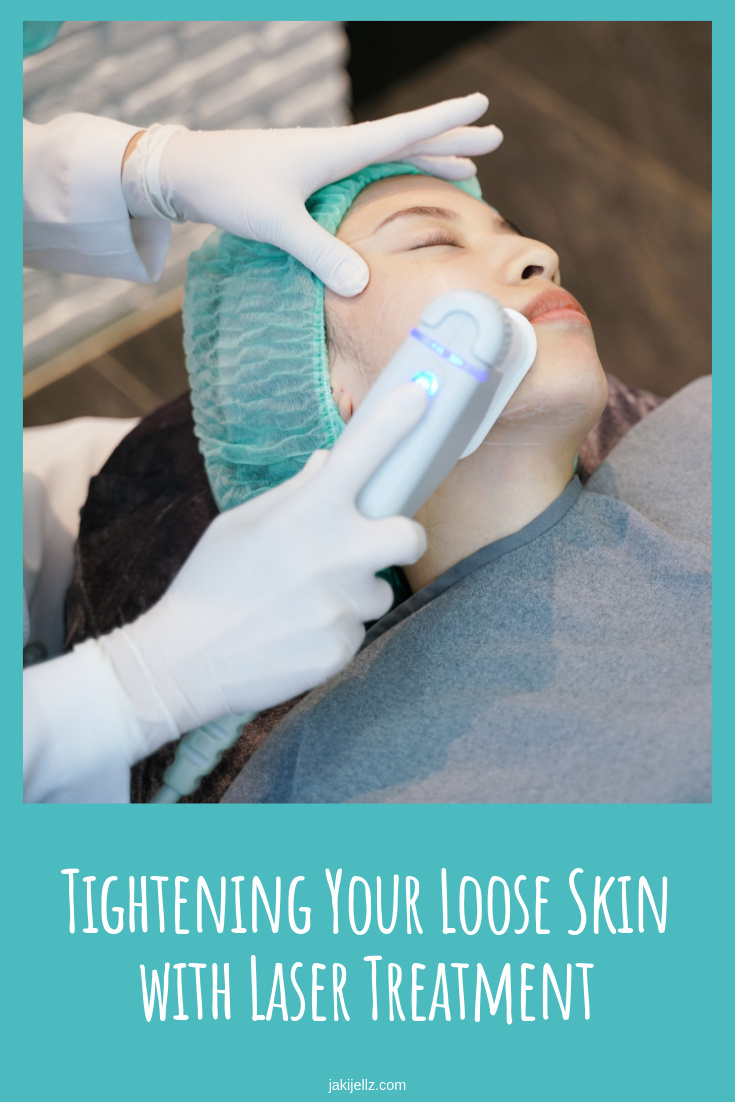
You may wonder if laser skin tightening hurts. The laser does produce some heat, so you will feel a warming sensation. You may also feel a sensation as if something is snapping against your skin lightly. The heat and discomfort can be managed by your clinician. He or she may use a topical anaesthetic or cool bursts of air to keep you as comfortable as possible. Any discomfort you do feel should be minimal and brief since most laser appointments take no more than one hour.
What Happens After Laser Skin Tightening
After a laser skin tightening appointment, your clinician will give you aftercare instructions to follow. Among those instructions will be keeping your skin protected from the sun while it heals. It may take a while after treatment before you see positive changes in the condition of your skin. You also may require a sequence of up to six treatments. Therefore, you cannot expect your skin to fully recover and tighten overnight. However, over time laser treatment can drastically improve its appearance, if you are deemed a good candidate for the procedure.
Did you like this post? Why not Pin it?

Featured article