


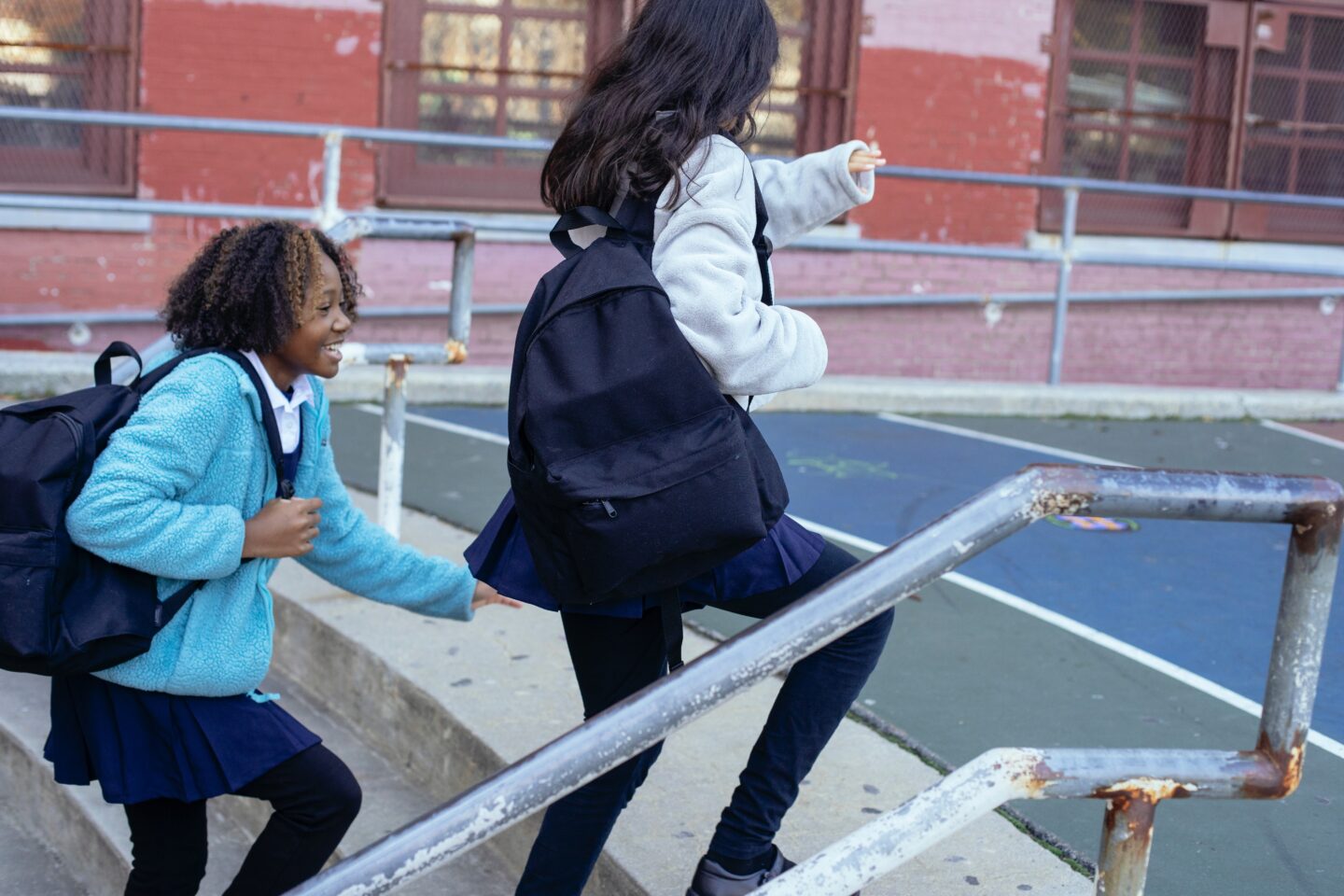
Parents and family play important roles during the first chapters of their children’s lives. However, there comes a time when children have to leave the nest for schooling. As a parent or guardian, you’ll need to help your child prepare for the big move and provide them with the support that they need long after their arrival on their school grounds.
Of course, it’s normal for parents or guardians to feel a bit apprehensive about sending children to study in far-off places. But doing so may benefit your child significantly in the long run. Allowing them to study in a diverse and well-developed country, in particular, will provide them with a great opportunity to broaden their worldview while giving them access to quality education.
One great example is Singapore, which is a cosmopolitan nation known for having one of the world’s best education systems. Studying in Singapore can help students gain exposure to a wide pool of prestigious academic opportunities. On top of that, the city-state is also considered to be one of the world’s safest countries, a fact that may offer some peace of mind to parents or guardians planning to send their children to a boarding school in Singapore.
If you and your child are embarking on this major life change soon, here are some tips that you may want to consider:
Get to Know Your Child’s Home Away from Home
Before officially deciding to send your child to study in overseas or in a place far from home, it’s best to get a grasp of the place your child will temporarily call home. If they will be housed within school grounds, you need to ensure that all their needs will be met. It’s best to coordinate with the school itself, especially if you need to request special provisions for your child.
You may also opt for off-campus housing with a trusted guardian. If you would rather have your child stay with a relative near the school, make sure to maintain constant communication with your child’s guardian and encourage them to help your child learn their way around the area.
Before anything else, however, you should discuss these matters with your child and allow them to voice their opinion on their potential second home. During these discussions, make sure to remind your child to observe proper behaviour when living with people unfamiliar to them.
Prepare a Budget and Instill Mindfulness in Your Child
Studying abroad or in a faraway location entails sufficient budget planning for regular and periodic expenses. If possible, open a joint bank account with your child so that you can provide funding when needed, even if you’re miles away.
Living expenses largely depend on the area’s cost of living, school requirements (e.g. craft materials, textbooks, and notebooks among others), and your child’s health-related needs. Some institutions also offer scholarships, so you may want to check with the school on your child’s potential qualifications for financial aid. You may also need to consider important travel-related expenses that your child will incur, such as fares, insurance, and vaccinations.
When it comes to their everyday spending, your child must also learn how to be mindful of their spending habits. Before the trip, encourage your child to develop small, yet helpful practices such as taking public transportation instead of pricier options for short trips. Of course, you should also remind your child to be just as mindful about their money and valuables, especially when they’re out and about.
Help Your Child Pack Their Must-Haves
Packing at the last minute for long-distance travel often leads to forgotten or misplaced items. As such, you can encourage your child to pack wisely by helping them identify all the essentials and non-essentials they need to bring. Consider putting together a list of essentials which should include climate-appropriate clothing, travel documents, gadgets, and school materials. It’s also vital for your child to bring prescription medication, doctor’s notes, and other relevant items such as glasses and adrenaline injections if necessary. If your child will be studying abroad, it’s best to check the airline’s guidelines on luggage and help your child separate their carry-on and check-in luggage items. Also, make sure that their immigration-related documents are prepared beforehand.
When it comes to non-essentials, it would be good to have your child select these items themselves. This will help them cultivate the independence they’ll need to practice while abroad. However, you can still remind your child not to over-pack and focus on the things they will really use. It would also be ideal to invest in good suitcases, particularly those that provide ample space but are easy enough for your child to lug around.
Establish Communication Lines with Your Child, but Give Them Space, Too
Thanks to the prevalence of online communication tools, it’s now easier to connect with your child wherever they may be in the world. Before the big trip, schedule “catch-up times” that you and your child can agree on. It would also be a good idea to have them save important emergency contacts on their phone that include you, their other family members, members of the school’s security team, your family doctors, and the like.
But even though establishing open communication lines is a must, it’s just as important to give your child their space. In the days leading up to their big trip, avoid constantly barging in on them unless it’s essential. This is one thing that will get them used to being on their own. Moreover, you should also encourage your child to look after themselves by training them to clean up or take care of chores like cleaning and doing laundry. Instilling this sense of agency and responsibility early on in your child will help them become more self-reliant once they are far away from your sight.
Schedule a Checkup
Even if you have a good overview of their health, it’s still wise to consult a medical professional to ensure that no adverse health problems will emerge in your child after they leave. Consider scheduling a checkup for your child at least six weeks before the trip to get a quick snapshot of their health situation.
It would also be good to speak extensively with your child about specific medical issues they may have, such as allergies. Make sure they know who to call and where to go for emergency medical assistance, even when you’re not physically there to attend to them.
Staying Prepared for the Next Chapter
Any parent or guardian will find it hard to temporarily part with their child for a long time. But even though studying in a distant place can be a challenge, it’s also an exciting opportunity for growth that will prepare your child for more adventures down the line. By giving your child the opportunity to experience the world beyond their nest, you can help mould them into independent, self-confident, and adaptable individuals who are well-equipped to take on life’s challenges on their own.