

What is sports motivation and what should parents do so that the child’s interest in sports does not fade away? We will tell in this article.
Sport is an integral part of the harmonious development of the child. That is why more and more parents give their children in the section, but the child is a restless creature, and the enthusiasm caused by new impressions very quickly fades. Yesterday, your child joyfully ran to training, and today kid is naughty and wants to watch cartoons instead of going to the gym.
Most often, the crisis occurs in the first six months, and sooner or later, the parents face the question of what to do in this situation: to force, scold, punish or, conversely, not to put pressure on the child and give up?
Tip 1
Let the child choose which sport to do. Hard work and diligence is good, but first of all, children should enjoy what they are doing. Talk with your child about your and his expectations, tell us that nothing is impossible. Think about how to combine school and hobbies.
Tip 2
Before starting the new season, make sure that your expectations are true and that your child will have plenty of time to relax.
Tip 3
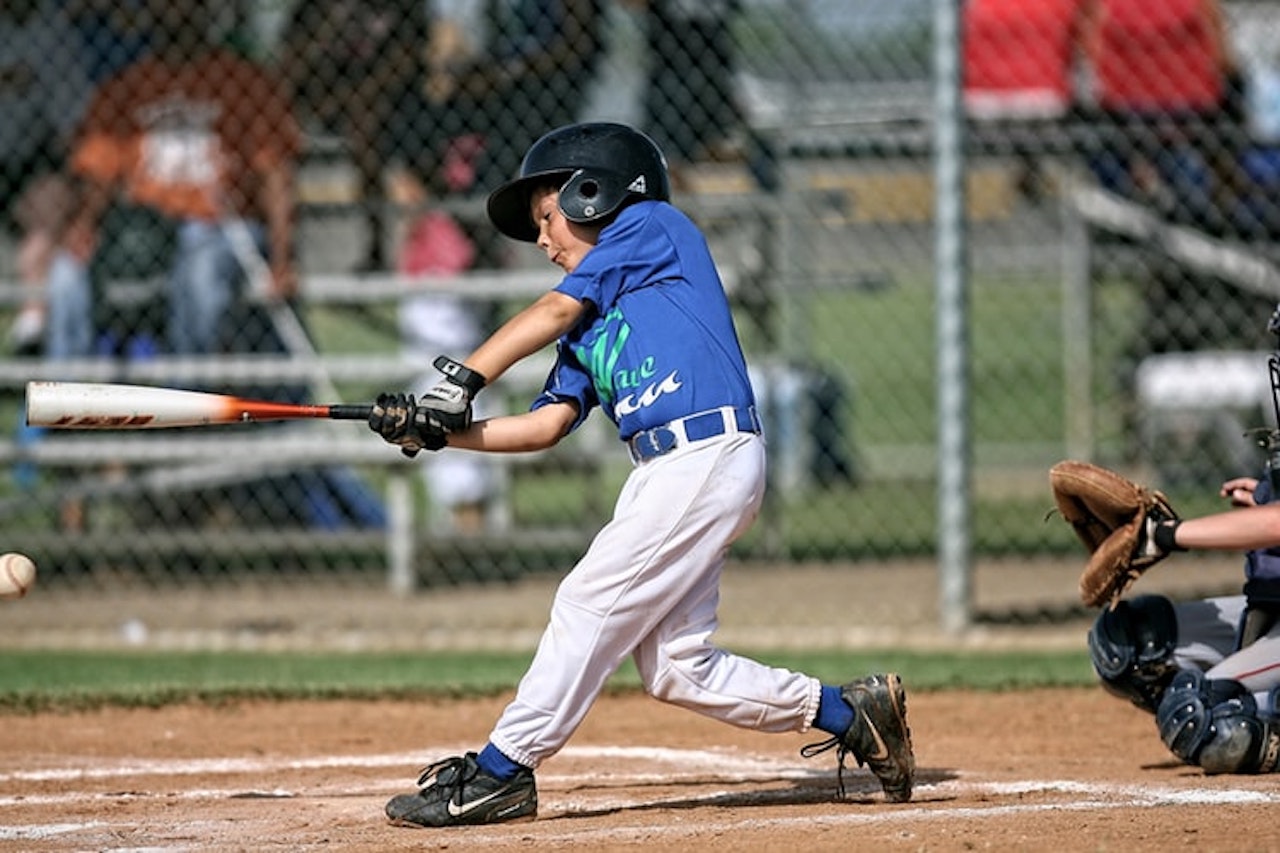

Get high-quality equipment for sports: clothes, shoes, necessary accessories. Comfort and safety should be the main criteria when choosing. In addition, properly selected equipment will save you from overwork and injury. Pay attention to design.
You can also give fitness tracker for kid which will increase motivation for sports. Beautiful gadgets become favourite, and this increases the mood and motivation even in adults, to say nothing of children.
Tip 4
It is normal to expect that a child athlete will make every effort to achieve high results in his sport. You, as a parent, invest your time and money in this. But you should not pay too much attention to the final result.
Look at the situation as a whole – what progress has your son or daughter made since the beginning of the year, season. If suddenly you decide to quit the section, first think about what the child achieved in comparison with the first lessons. Do not underestimate even small successes!
Tip 5
Be close, cheer up the baby. Especially during the competition. Take an interest in what your little athlete does. Show that you believe in him, but do not go too far.
Be a good example for other children and parents who find it difficult to control their emotions. Teach what you need to rejoice not only in your successes, but also in the successes of others, and accept defeat without envy, resentment or reproach.
Tip 6

Do not forget to ask the child after training or competition whether he liked or was pleased. If he has no desire to talk about it or is tired, do not insist, treat his desire with respect. Try to talk about this later, choosing a better moment.
Tip 7
Be honest, but positive. When you express your opinion about the success of the child, try to operate on the facts. For example, you can say: “I saw that you missed the ball, it happens. I’m sure that next time you will succeed! ”
Or: “You are already very good at swimming breaststroke, you will soon master the crawl.”
Do not dramatize. If suddenly a failure occurs, then love, patience and support will be the most faithful helpers. Pay attention to what happened well, but when you praise, do not disassemble, tell the truth.
Tip 8
Teach your child to correctly perceive both their victories and defeats. As a result, he will learn to take responsibility, analyze his mistakes and be proud of well-deserved success.
Tip 9
Make sure the child is not overworked. Help him find and maintain a balance between hard work and relaxation.
Don’t Do This
Here are some points you should not do if you love your child.
- You can’t try to realize your sports dream in a child.
- You can not put pressure on the child. Try not to be intrusive, do not stress the child, otherwise, you will beat off all desire.
- Do not let him fear failure – do not promise too high a reward for successful performance and in no case threaten punishment in case of failure.
- Your game as a super-trainer or crazy fan can develop a sense of anxiety or even fear in your child.
While a parent’s role is to provide unwavering support and a sense of security, the world of competitive sports often introduces external pressures. Understanding these broader influences, especially from digital platforms, becomes crucial for guiding young athletes effectively. The impact of social media on sports, for instance, can significantly shape a child’s perception of their performance and their peers’ expectations. A balanced perspective, as offered by Tim Kealy, helps parents navigate these modern challenges without adding to their child’s stress. Ultimately, creating a safe emotional space where children feel understood, regardless of game outcomes, helps them build resilience and maintain a genuine love for their sport.
Stay yourself, let the child feel like in a quiet bay near you. Getting the child out of the comfort zone is the trainer’s task. Do not be nervous and scream at your child, his friends, their parents, coach or referee. This is unacceptable!
Did you like this post? Why not Pin it?

