


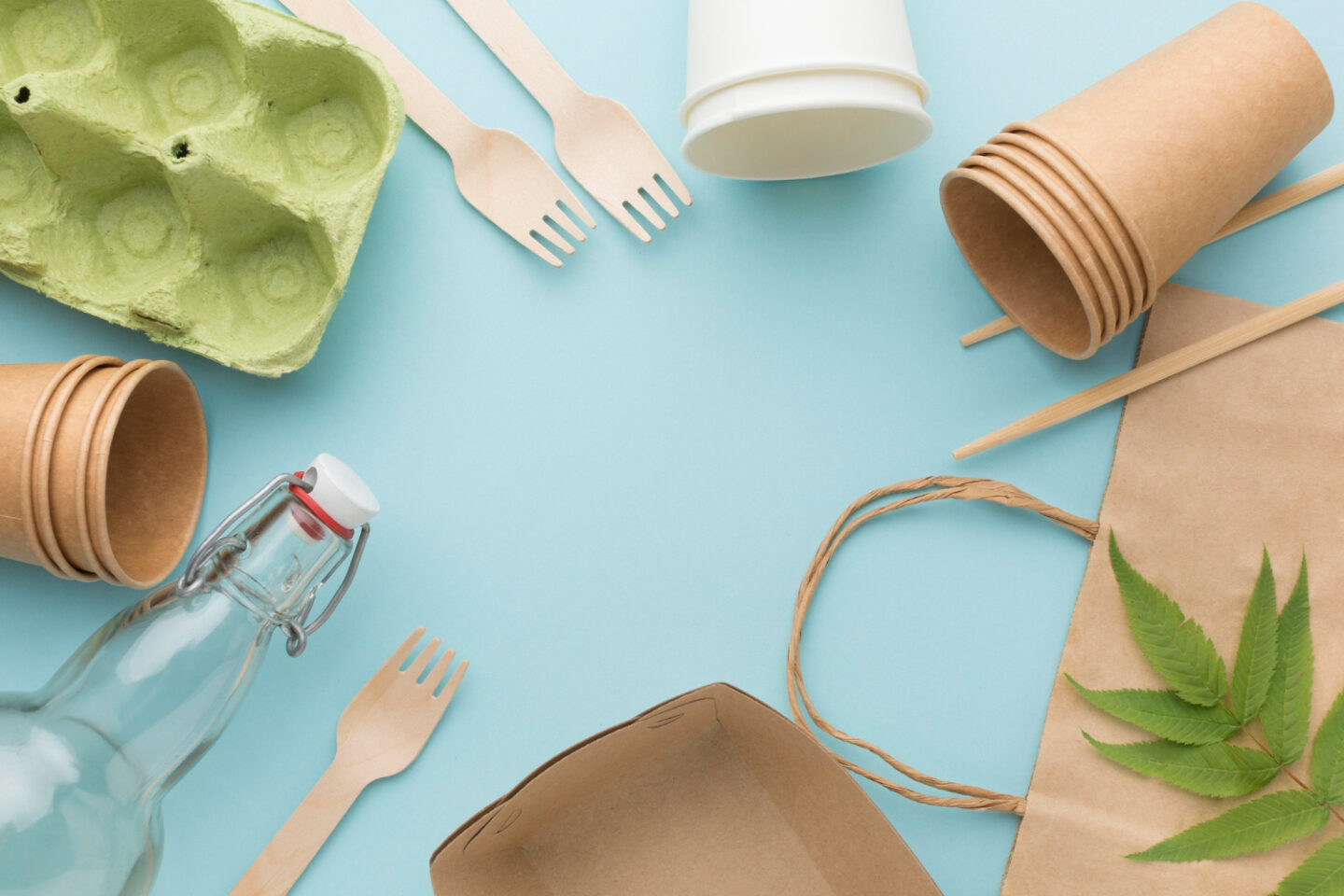
With growing awareness about environmental care, companies are rethinking their methods to be eco-friendly. Packaging is seeing a big change these days. Everyone’s talking about “sustainable packaging”, and it’s more than just the latest buzzword—it’s super important. In this chat, we’ll dig into why green packaging matters so much right now. It’s not only about doing good for Earth but also about making your brand look awesome and maybe even saving some cash.
What Is Sustainable Packaging?
Before we get into the details, let’s clarify what sustainable packaging actually is. It means using materials and designs for packaging that don’t harm the environment too much. It considers the entire life of the packaging – from making it, moving it around, using it, to finally throwing it away or recycling it.
Key Elements of Sustainable Packaging:
Material Selection: Choosing materials that are eco-friendly and have a lower carbon footprint, such as recycled paper, cardboard, or biodegradable plastics.
Minimalism: Designing packaging that uses the least amount of material necessary to protect the product effectively.
Recyclability: Choosing materials from a packaging marketplace that can be easily recycled or repurposed after use.
Reducing Waste: Implementing strategies to minimize excess packaging or non-recyclable components.
Environmental Impact
Now that we have a grasp of what sustainable packaging entails, let’s explore its environmental benefits.
Reduced Resource Consumption: Sustainable packaging often uses recycled or renewable materials, reducing the demand for virgin resources like trees or petroleum. This helps conserve natural ecosystems and lowers the carbon footprint.
Less Pollution: Eco-friendly packaging materials produce fewer pollutants during manufacturing and disposal. This means cleaner air and water for all.
Energy Efficiency: Creating sustainable packaging typically consumes less energy than traditional methods, further reducing greenhouse gas emissions.
Lower Carbon Emissions: The use of sustainable materials and efficient design translates into fewer carbon emissions during production and transportation.
Mitigating Climate Change: Sustainable packaging contributes to climate change mitigation by reducing the release of greenhouse gases into the atmosphere.
Customer Expectations
In today’s competitive market, consumers are increasingly conscious of the environmental impact of their purchasing choices. Here’s why meeting their expectations through sustainable packaging matters:
Brand Image: Adopting sustainable packaging can enhance your brand’s image as socially and environmentally responsible. Customers are more likely to trust and support businesses that prioritize sustainability.
Customer Loyalty: Sustainable packaging demonstrates your commitment to values that matter to consumers. This can foster customer loyalty and repeat business.
Market Differentiation: In a sea of products, sustainable packaging can help your brand stand out. It’s a unique selling point that can attract environmentally conscious consumers.
Positive Feedback: Satisfied customers often share their experiences on social media and through word-of-mouth. Positive feedback about your sustainable packaging can boost your online presence and reputation.
Cost Savings
While some businesses may be concerned about the upfront costs of transitioning to sustainable packaging, it’s essential to consider the long-term financial benefits:
Resource Efficiency: Sustainable packaging often uses fewer materials, which can lead to cost savings in the long run.
Reduced Waste: Minimizing excess packaging reduces waste disposal costs and potential fines associated with improper waste management.
Energy Savings: Sustainable packaging often requires less energy to produce, leading to lower energy bills.
Regulatory Compliance: As environmental regulations become stricter, investing in sustainable packaging can help your business avoid costly penalties.
Sustainable Packaging Innovations
The world of sustainable packaging keeps changing and improving, and there are some pretty cool things happening:
- Eco-friendly materials
- Use it again
- Minimalist design
Steps to Implement Sustainable Packaging
If you’re ready to make the switch to sustainable packaging, here’s a step-by-step guide to help you get started:
Step 1: Assess Your Current Packaging: Evaluate your existing packaging materials and identify areas where you can make sustainable improvements.
Step 2: Set Clear Goals: Define your sustainability goals and objectives. Determine what you want to achieve with sustainable packaging.
Step 3: Material Selection: Choose sustainable materials that align with your goals and product requirements.
Step 4: Design for Efficiency: Optimize your packaging design to reduce material usage while ensuring product protection.
Step 5: Collaborate with Suppliers: Work closely with your packaging suppliers to source sustainable materials and reduce environmental impact throughout the supply chain.
Step 6: Educate Your Team: Train your employees about the importance of sustainable packaging and how to implement it effectively.
Step 7: Communicate with Customers: Inform your customers about your sustainable packaging initiatives. Transparency builds trust.
Step 8: Measure and Improve: Continuously monitor your packaging practices and seek opportunities for further improvement.
Conclusion
Sustainable packaging isn’t just a trend; it’s a necessary step toward a more eco-conscious future!
Image by Freepik